
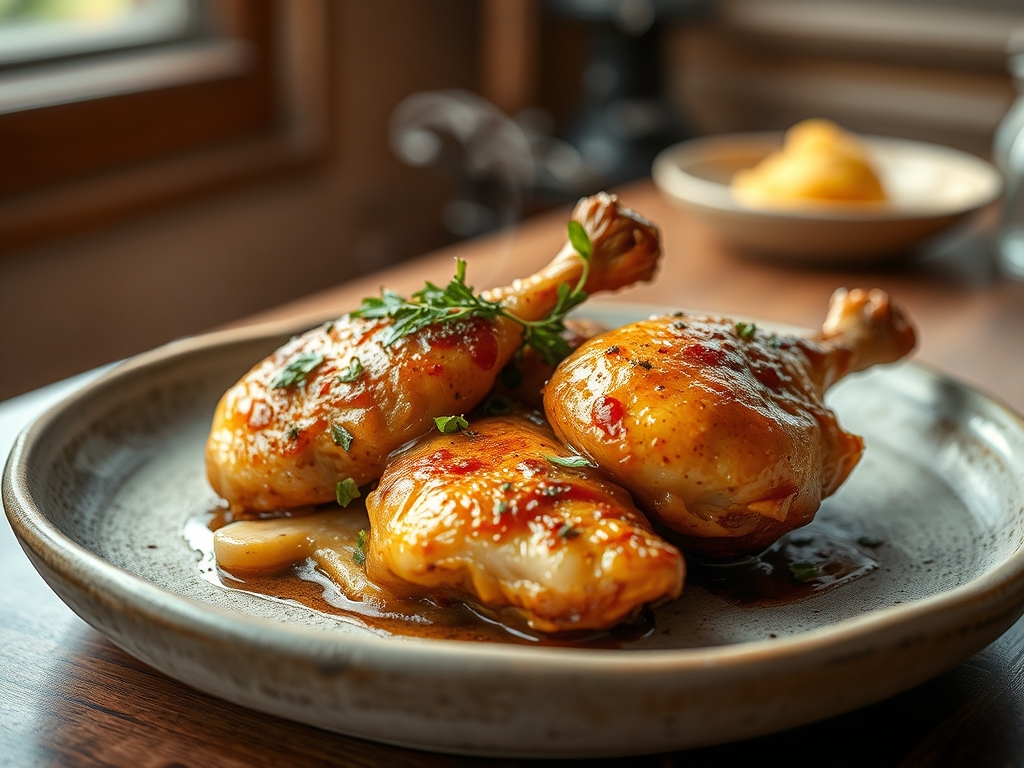
Golden skewers of pork cubes emerge from a screaming-hot skillet, their breaded crust crackling like autumn leaves underfoot. The smell is pure nostalgia: butter-rich breadcrumbs meeting caramelized meat proteins in a perfect Maillard symphony. These city chicken recipes transform humble pork or veal into Depression-era comfort food that still commands attention at modern dinner tables, delivering crispy exteriors and juice-locked interiors without a single piece of actual poultry. Born in Polish-American kitchens during the 1930s when chicken cost more than red meat, city chicken skewers pork cubes onto wooden sticks, coats them in seasoned breading, and pan-fries or bakes them into tender, golden parcels of pure satisfaction. The technique is deceptively simple, but the textural contrast between shatteringly crisp coating and fork-tender meat requires precise heat management and moisture control.
The Gathers
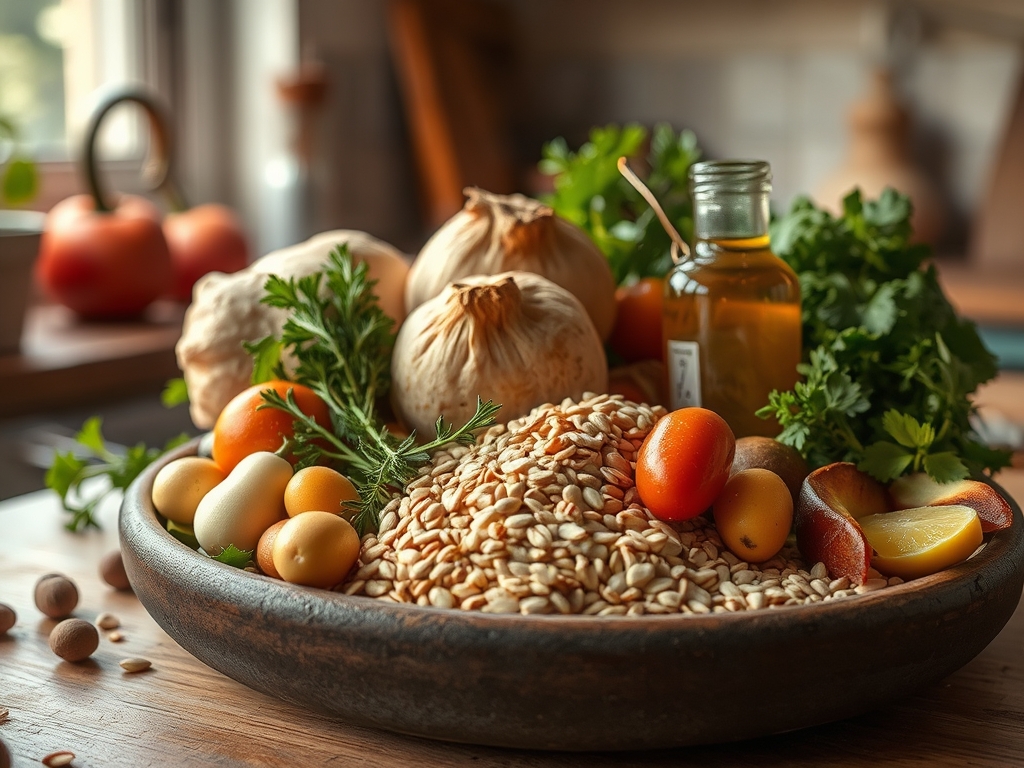
As you see in the ingredient spread below, the foundation starts with boneless pork shoulder or veal cubes cut into 1.5-inch pieces, roughly 2 pounds total. The shoulder's intramuscular fat content (around 15-20%) ensures the meat stays juicy through high-heat cooking. You'll need wooden skewers (6-inch length, soaked 30 minutes to prevent scorching), all-purpose flour (1 cup), beaten eggs (3 large), and panko breadcrumbs (2 cups) mixed with Italian seasoning (2 teaspoons), garlic powder (1 teaspoon), smoked paprika (1 teaspoon), and kosher salt (1.5 teaspoons). Unsalted butter (4 tablespoons) and neutral oil (2 tablespoons) create the frying medium. Fresh cracked black pepper (1 teaspoon) and a splash of chicken stock (1 cup) for deglazing round out the essentials.
Smart Substitutions: Swap pork shoulder for chicken thighs if irony appeals to you, though cook time drops by 8 minutes. Use crushed cornflakes instead of panko for extra crunch and gluten-free compliance. Replace butter with ghee for higher smoke point and nutty depth.
The Clock
Prep Time: 25 minutes (includes cutting, skewering, and breading station setup)
Cook Time: 35 minutes (20 minutes pan-sear, 15 minutes oven finish)
Total Time: 60 minutes
Chef's Flow: While skewers soak, cube and season your meat. Set up the three-stage breading station (flour, egg, panko) in assembly-line fashion during the final 10 minutes of soaking. Preheat your oven to 375°F (190°C) before you start frying so the transition is seamless. This overlapping workflow cuts idle time by 40%.
The Masterclass
Step 1: Thread and Season the Meat
Thread 3-4 pork cubes onto each soaked skewer, leaving 1 inch at the bottom for handling. Pack them snugly but not crushing tight. Season aggressively with salt and pepper, focusing on all exposed surfaces.
Chef's Secret: The skewer creates a heat highway, conducting thermal energy directly into the meat's core and reducing cook time by 15%. This is basic thermodynamics working in your favor.
Step 2: Execute the Three-Stage Dredge
Dredge each skewer in flour (shake off excess), submerge in beaten egg (let drip 3 seconds), then press firmly into seasoned panko. Rotate to coat all sides. The pressure is key.
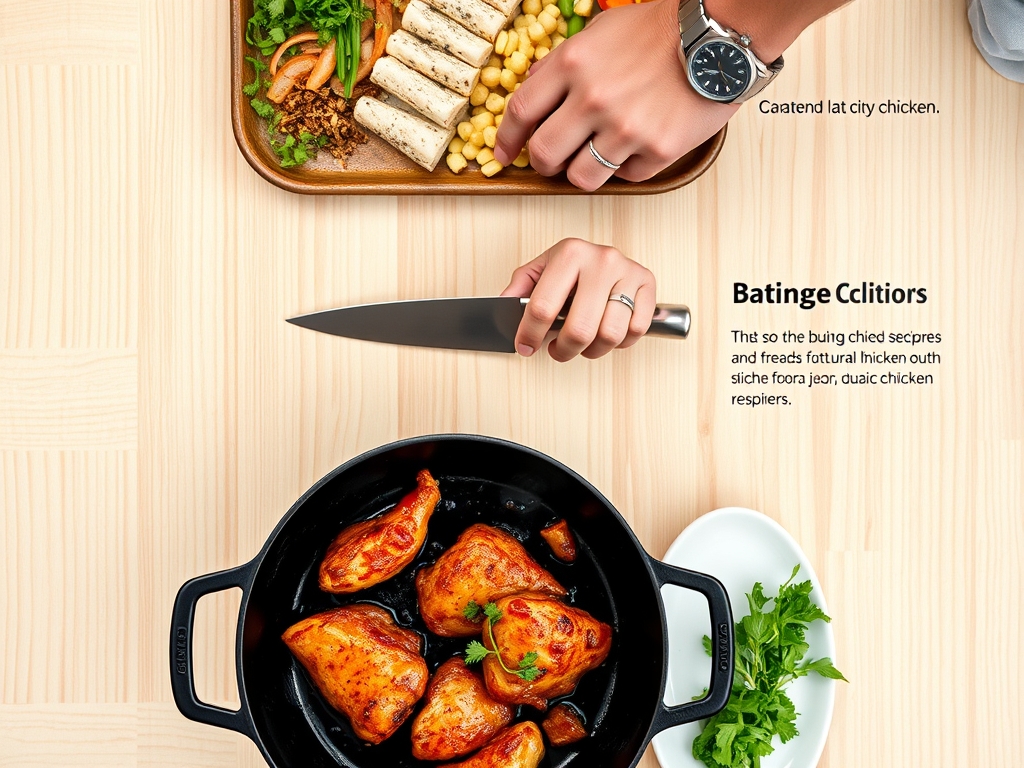
Why it Works: Flour creates a moisture barrier that prevents egg from sliding off during frying. The egg proteins denature at 144°F (62°C), forming a glue that locks panko in place. Note the even coverage shown in the step-by-step photos.
Step 3: Sear in Butter-Oil Hybrid
Heat a large cast-iron skillet over medium-high (375°F/190°C surface temp). Add butter and oil. When foam subsides, lay skewers in without crowding. Sear 4 minutes per side, turning three times for even browning.
Chef's Secret: The oil raises butter's smoke point from 350°F to 400°F (177°C to 204°C), preventing burnt milk solids while preserving butter's flavor compounds (diacetyl and lactones).
Step 4: Oven-Finish for Even Doneness
Transfer the skillet directly to your preheated 375°F (190°C) oven. Roast 15 minutes until internal temperature hits 145°F (63°C). The USDA-approved safe temp for pork allows a blush of pink.
Why it Works: Ambient oven heat cooks gently from all angles, eliminating the risk of burnt exteriors with raw centers. The cast iron's thermal mass maintains steady, even heat distribution.
Step 5: Rest and Deglaze
Remove skewers to a wire rack. Rest 5 minutes (carryover will push temp to 150°F/66°C). Return skillet to stovetop, add chicken stock, scrape up fond, and reduce by half for a quick pan sauce.
Chef's Secret: Resting redistributes myoglobin-rich juices from the meat's hot exterior back toward the center. Cutting immediately loses up to 25% of moisture to the cutting board.
Step 6: Glaze and Serve
Brush the reduced pan sauce over each skewer. The sticky, concentrated fond adds umami depth and a professional sheen.
Why it Works: The Maillard reaction products stuck to your pan (melanoidins) are pure flavor gold. Deglazing captures those browned proteins and caramelized sugars, reincorporating them into your dish.
Nutritional Info
Per skewer (based on 6 servings):
Calories: 385
Protein: 28g
Fat: 18g (Saturated: 7g)
Carbohydrates: 26g (Fiber: 1g, Sugar: 2g)
Sodium: 620mg
The high protein-to-calorie ratio makes this a solid post-workout meal. The fat content comes primarily from pork's intramuscular marbling and butter, providing satiety without empty calories.
Dietary Swaps
Keto Adaptation: Replace panko with crushed pork rinds (zero carbs, extra crunch). Skip the flour; go straight from seasoned meat to egg to rinds. Carbs drop to 3g per serving.
Gluten-Free: Use certified GF breadcrumbs or almond meal mixed with nutritional yeast for umami. Cornstarch replaces all-purpose flour in the dredge with identical results.
Vegan Pivot: Substitute extra-firm tofu or king oyster mushroom stems cut into cubes. Use aquafaba (chickpea brine) instead of egg, and nutritional yeast in the breading for savory depth.
Serving & Presentation
Classic Diner Style: Serve over creamy mashed potatoes with a side of buttered green beans. Drizzle pan sauce in a zigzag pattern across the plate. Garnish with fresh parsley for color contrast.
Modern Minimalist: Plate one skewer atop a schmear of celery root puree. Lean against roasted baby carrots. Finish with microgreens and a single lemon wedge for brightness.
Family-Style Feast: Arrange all skewers on a large wooden board. Surround with roasted root vegetables, pickled red onions, and small ramekins of whole-grain mustard and horseradish cream. Let guests build their own plates.
The Pro-Dodge
Pitfall 1: Soggy Breading
Happens when you skip the flour layer or bread too far in advance. Moisture from the meat migrates through egg-only coatings. Fix: Always flour first, and fry within 15 minutes of breading.
Pitfall 2: Dry, Chalky Meat
Results from overcooking past 160°F (71°C) or using ultra-lean cuts. Pork shoulder's fat content is non-negotiable. Fix: Pull at 145°F internal and trust carryover. Use an instant-read thermometer, not guesswork.
Pitfall 3: Uneven Browning
Caused by overcrowding the pan or inconsistent heat zones. Fix: Work in batches of 3-4 skewers max. Rotate every 4 minutes. Cast iron's heat retention eliminates hot spots if preheated properly.
The Meal Prep Corner
Storage: Cool completely, then refrigerate skewers in a single layer on parchment-lined trays for up to 4 days. Don't stack or the breading softens.
Reheating: Preheat oven to 350°F (177°C). Place skewers on a wire rack over a baking sheet. Heat 12 minutes, flipping once. The circulating air re-crisps the coating without frying.
Freezing: Flash-freeze on trays for 2 hours, then transfer to vacuum-sealed bags. Good for 3 months. Reheat from frozen at 375°F (190°C) for 20 minutes.
The Wrap-Up
City chicken recipes prove that ingenuity born from scarcity often produces the most enduring comfort foods. The technique of skewering, breading, and dual-cooking (sear plus oven) translates to dozens of proteins and flavor profiles. Master this method and you control texture, moisture, and crust development with surgical precision. Share your version in the comments below: did you go classic with pork, or experiment with vegan swaps? Tag your plating photos so the community can cheer you on.
The Kitchen Table
What cut of pork works best for city chicken recipes?
Boneless pork shoulder (also called pork butt) is ideal due to its 15-20% fat content, which keeps the meat moist during high-heat cooking. Avoid loin cuts; they're too lean and turn dry past 150°F internal temperature.
Can I make city chicken without skewers?
Yes. Form the breaded pork cubes into small patties or meatballs. The skewer's thermal conductivity advantage disappears, so reduce oven time to 12 minutes and check internal temp frequently.
How do I prevent wooden skewers from burning?
Soak them in cold water for at least 30 minutes before threading meat. The absorbed moisture creates a protective steam barrier during cooking. Alternatively, wrap exposed tips in foil during the oven phase.
What's the best side dish to serve with city chicken?
Traditional pairings include mashed potatoes, buttered egg noodles, or roasted root vegetables. The starchy sides soak up the pan sauce beautifully. For lighter options, pair with a crisp apple-cabbage slaw to cut the richness.
Can city chicken be made in an air fryer?
Absolutely. Preheat to 375°F (190°C), spray breaded skewers lightly with oil, and cook 18 minutes, flipping halfway. You lose the fond for pan sauce, but the breading crisps beautifully with 40% less fat.