
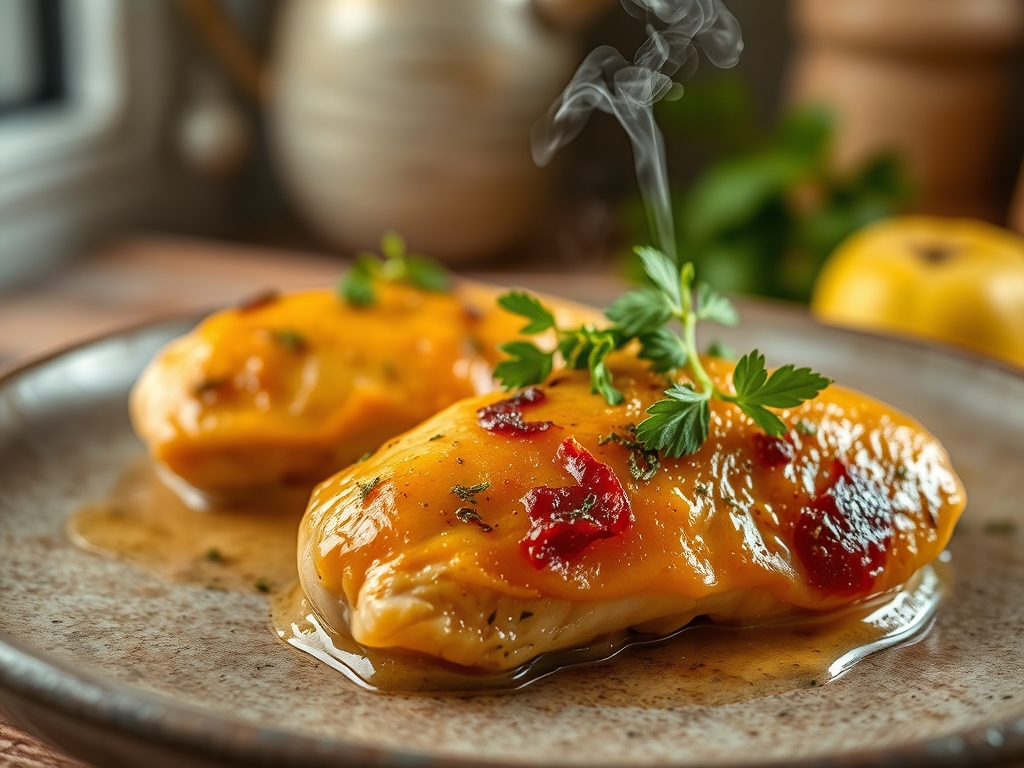
Picture a heavy-bottomed skillet resting on a blue flame; the air smells of caramelized stone fruit and searing poultry skin. This is the sensory magic of apricot chicken recipes. We are moving far beyond the cloying, bottled glazes of the nineties. Instead, we are harnessing the piquant acidity of fresh and preserved apricots to transform humble chicken thighs into a culinary masterpiece that balances sugar, salt, and fat with surgical precision.
The secret lies in the molecular marriage of fruit sugars and animal protein. When you introduce the natural fructose of an apricot to the savory amino acids of a chicken breast, you trigger a complex chemical reaction that results in a deep, mahogany crust. It is more than just a meal; it is a lesson in flavor architecture. Whether you are craving a sticky Moroccan tagine or a sharp balsamic glaze, these apricot chicken recipes provide a versatile canvas for your weeknight rotation. We are going to explore six distinct variations that range from fiery chipotle infusions to delicate herb-forward braises. Grab your favorite apron and clear your workstation; we are about to elevate your dinner game using the science of the stone fruit.
The Gathers:
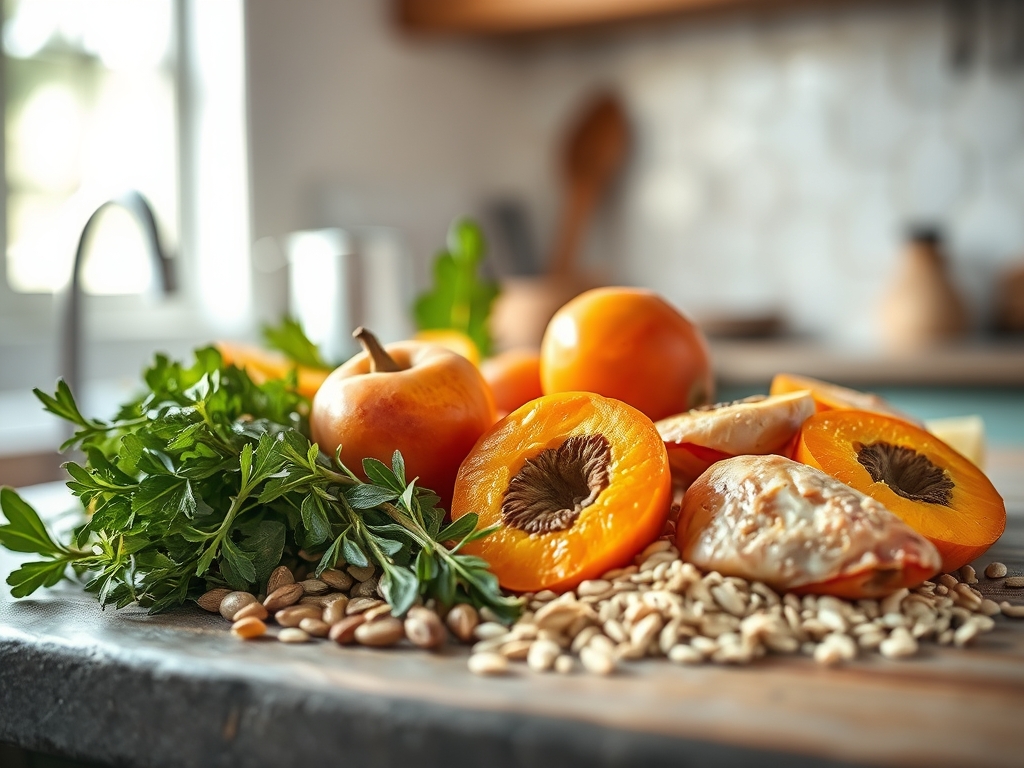
To execute these apricot chicken recipes with professional finesse, your mise-en-place must be organized by molecular function. Start with your protein: organic, bone-in, skin-on thighs provide the highest collagen content, which renders down to create a viscous, lip-smacking sauce. If you prefer breasts, ensure they are uniform in thickness to prevent uneven thermal distribution.
Next, consider your aromatics. You will need fresh shallots, garlic cloves, and perhaps a knob of ginger. Use a microplane to grate these finely; this increases the surface area, allowing the essential oils to infuse the fat more rapidly. For the fruit component, a mix of high-quality apricot preserves (look for those with low pectin and high fruit chunks) and dried Turkish apricots provides a dual-texture experience. The preserves offer immediate sweetness, while the dried fruit rehydrates in the pan juices, becoming tender little flavor bombs.
Smart Substitutions:
If you find yourself without apricots, peach preserves offer a similar sugar-to-acid ratio. For a lower glycemic index, replace half the preserves with a splash of apple cider vinegar and a pinch of monk fruit sweetener. If you are out of fresh shallots, use the white parts of scallions to provide that necessary sulfurous bite without overpowering the delicate fruit notes. Always have a high-smoke-point oil on hand, such as avocado or grapeseed oil, to ensure your initial sear does not result in acrid, burnt flavors.
The Clock: Chef's Flow
Efficiency in the kitchen is about managing "The Flow." For these apricot chicken recipes, expect a total commitment of 45 to 55 minutes. The active prep takes roughly 15 minutes: this involves dicing aromatics, patting the chicken dry with paper towels to ensure a crisp skin, and measuring out your liquids.
The cooking phase is split into two distinct acts. Act one is the searing phase (8-10 minutes), where we develop the crust. Act two is the braising phase (20-25 minutes), where the chicken reaches internal temp and the sauce reduces. A "Chef's Flow" tip: while the chicken simmers, use that 20-minute window to prepare a neutral starch like basmati rice or quinoa. This ensures everything hits the table at the same thermal peak.
The Masterclass:
1. The Critical Sear
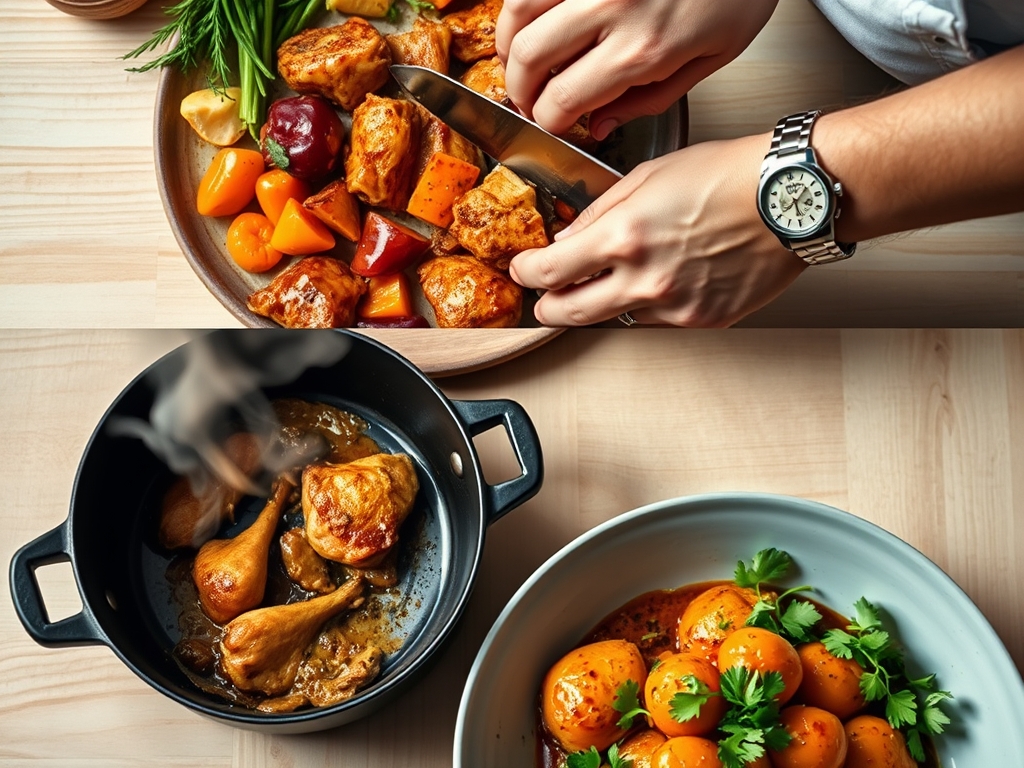
Heat your heavy-bottomed skillet over medium-high heat until the oil shimmers. Place the chicken skin-side down and do not move it for at least six minutes. Use tongs to check for a deep golden hue.
Pro Tip: This is the Maillard Reaction in action. By leaving the meat undisturbed, you allow the proteins and sugars to rearrange into hundreds of flavor compounds. If you move the meat too early, you tear the delicate skin and lose that textural contrast.
2. Deglazing the Fond
Once the chicken is seared and set aside on a plate, you will notice brown bits stuck to the pan. This is "fond." Add your shallots and garlic, then pour in a splash of dry white wine or chicken stock. Use a wooden spoon or bench scraper to lift those bits.
Pro Tip: Deglazing is a chemical extraction. The liquid acts as a solvent, dissolving the concentrated savory particles (the fond) and incorporating them into what will become your viscous apricot sauce.
3. Emulsifying the Sauce
Whisk in your apricot preserves, Dijon mustard, and a splash of soy sauce. Return the chicken to the pan, ensuring the skin remains above the liquid line to stay crispy.
Pro Tip: The mustard acts as an emulsifier. It contains lecithin, which helps the fats from the chicken and the sugars from the fruit bond together into a smooth, cohesive glaze rather than a broken, oily mess.
4. The Gentle Reduction
Lower the heat to a simmer. This allows the sauce to reduce through evaporation, concentrating the flavors. Cover the pan partially to retain some moisture while allowing steam to escape.
Pro Tip: This stage utilizes reduction science. As water evaporates, the concentration of solutes (sugar and salt) increases. This changes the viscosity of the sauce, turning it from a watery liquid into a luxurious glaze that coats the back of a spoon.
5. Monitoring Thermal Carryover
Use a digital scale or, more importantly, a digital meat thermometer to check the internal temperature. Remove the chicken when it hits 160 degrees Fahrenheit.
Pro Tip: Thermal carryover is real. The internal temperature will continue to rise about 5 degrees while the meat rests. Pulling it at 160 ensures it reaches the safe 165 mark without the muscle fibers tightening and becoming dry.
6. The Final Aeration
Before serving, stir in a knob of cold butter or a squeeze of fresh lemon juice. This adds a final layer of brightness and shine to the dish.
Pro Tip: Adding a cold fat at the end is called monter au beurre. It creates a glossy finish and rounds out the acidic edges of the apricot, providing a velvety mouthfeel that lingers on the palate.
The Deep Dive:
When we look at the macro nutrition of apricot chicken recipes, we see a balanced profile. A standard serving offers roughly 35g of protein and 15g of carbohydrates, primarily from the fruit sugars. To make this Keto-friendly, swap the preserves for a sugar-free apricot jam and use chicken thighs for a higher fat-to-protein ratio. For a Vegan twist, firm tofu or cauliflower steaks can be treated with the same searing and glazing techniques; just ensure you use a vegetable-based stock.
The Fix-It: Common Pitfalls
- The Sauce is Too Thin: If your glaze looks like soup, remove the chicken and crank the heat. Rapid evaporation is your friend. Alternatively, whisk a teaspoon of cornstarch with cold water and stir it in.
- The Skin is Soggy: This happens if you submerge the chicken in the sauce. Keep the liquid level low; only the bottom half of the chicken should be "bathing."
- The Flavor is One-Note: If it is too sweet, add a teaspoon of apple cider vinegar or red pepper flakes. The acidity or heat will cut through the sugar.
Meal Prep Science:
When reheating apricot chicken recipes, avoid the microwave if possible. The radiation can make the chicken rubbery. Instead, use a saucier on the stovetop over low heat with a tablespoon of water. This creates a gentle steam that rehydrates the meat without overcooking it, maintaining that "day-one" quality.
The Wrap-Up:
Mastering apricot chicken recipes is a gateway to understanding the balance of sweet and savory in modern cooking. By using professional tools like a heavy-bottomed skillet and a digital thermometer, you move from "following a recipe" to "controlling the chemistry." This dish is vibrant, sophisticated, and surprisingly simple once you respect the sear and the reduction. Now, go forth and turn your kitchen into a bistro; your friends are going to be obsessed with this glaze!
The Kitchen Table:
Can I use fresh apricots instead of preserves?
Yes, but you must sauté them first to break down the cellulose. Add a tablespoon of honey or maple syrup to mimic the concentrated sugar and viscosity found in traditional preserves for the best results.
How do I prevent the garlic from burning?
Add your aromatics only after deglazing or once the pan has cooled slightly. Garlic has a low burn point; adding it to a screaming hot, dry pan will create a bitter flavor that ruins the sauce.
Is this recipe gluten-free?
Most apricot chicken recipes are naturally gluten-free, provided you use a GF-certified chicken stock and substitute soy sauce with tamari or coconut aminos. Always check the label on your apricot preserves for hidden thickeners.
What is the best side dish for this?
Choose a neutral base that absorbs the glaze. Roasted fingerling potatoes, jasmine rice, or even a simple crusty baguette are perfect. The goal is to have a vessel for that incredible, reduced apricot sauce.