
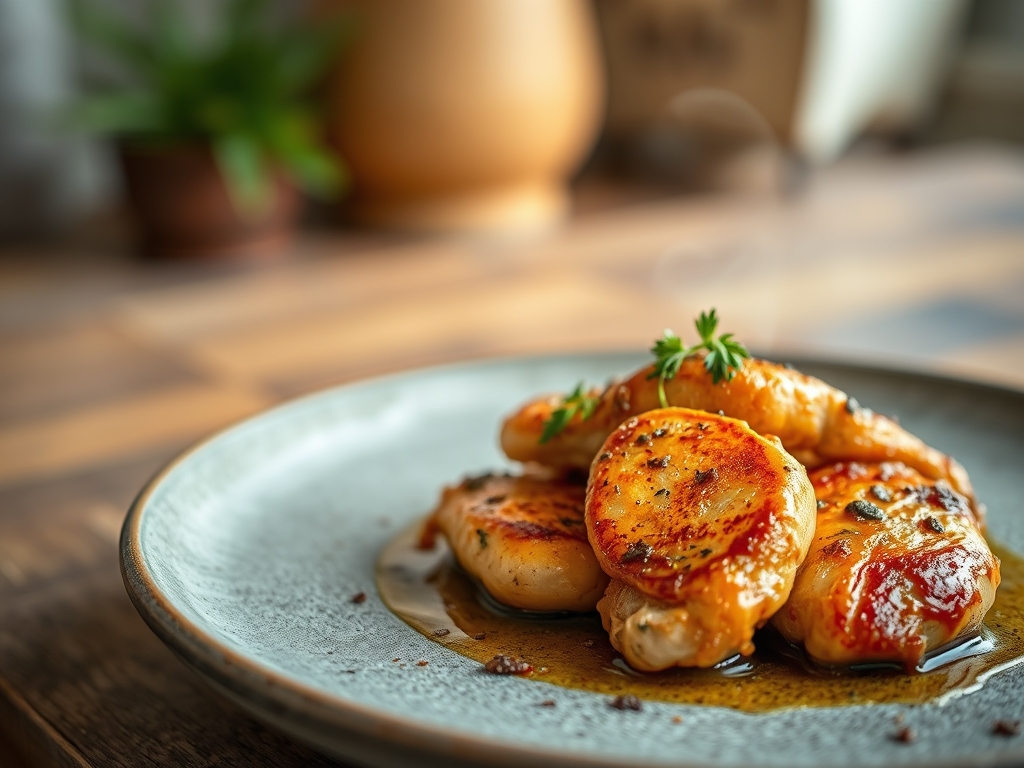
Picture the sound of a heavy-bottomed stainless steel skillet meeting a high-heat flame. There is a specific, rhythmic hiss that occurs the moment cold protein hits hot fat; it is the sound of the Maillard reaction beginning its chemical dance. If you have been searching for chicken recipes gluten free that actually deliver on texture and depth, you have likely encountered the "bland and beige" trap. We are not doing that today. We are reclaiming the crunch, the silkiness of a perfect pan sauce, and the structural integrity of a meal that feels indulgent rather than restrictive. Gluten is a structural protein, but it is not the only way to achieve a luxurious mouthfeel. By leveraging the power of amino acids and alternative starches, we can create ten distinct flavor profiles that will make you forget the flour bin even exists. This is about more than just avoiding wheat; it is about mastering the heat, the fat, and the acid to transform a humble bird into a weeknight masterpiece.
The Gathers:
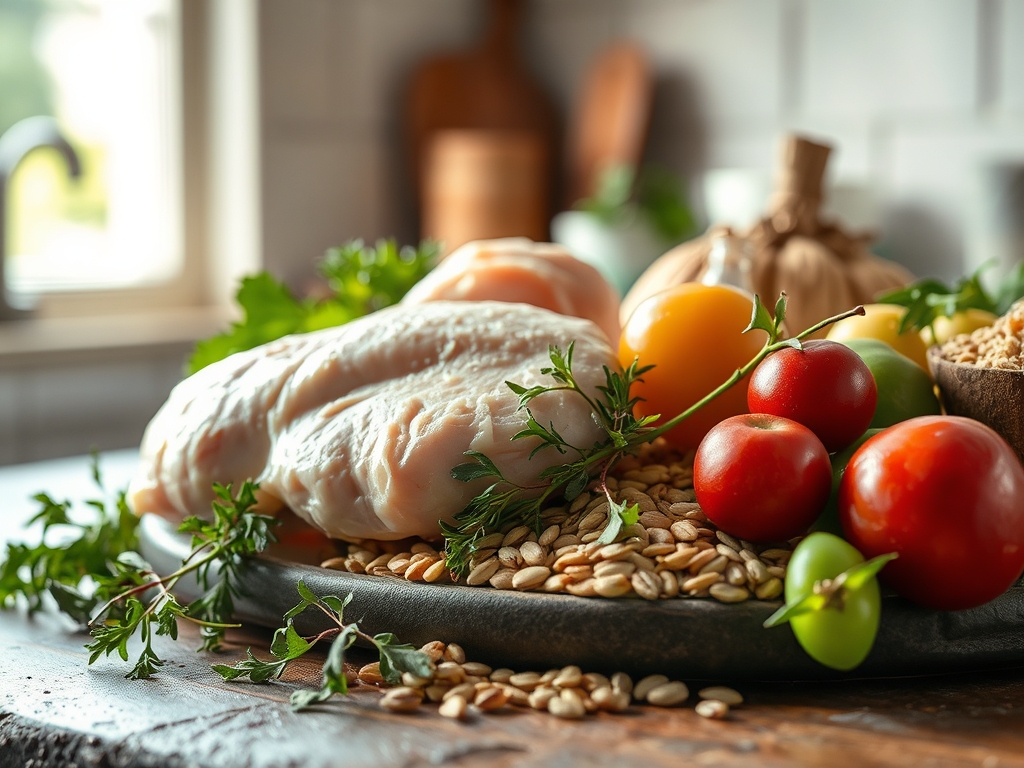
To execute these chicken recipes gluten free with precision, your mise-en-place must be intentional. Start with your protein: organic, air-chilled chicken thighs or breasts. Air-chilling is superior because it prevents excess water absorption, ensuring your sear is crisp rather than steamed. You will need a high-quality fat with a high smoke point, such as avocado oil or clarified butter (ghee), to withstand the thermal energy required for browning.
For the "Smart Substitutions," we look to the chemistry of thickeners. Instead of a traditional roux, keep tapioca starch and sweet rice flour on hand. Tapioca provides a glossy, viscous finish to sauces, while rice flour mimics the crumb of a standard breading. Use a microplane to zest citrus and grate fresh ginger; this increases the surface area of your aromatics, allowing them to infuse the oil more rapidly. Do not forget the "umami boosters" like tamari (the gluten-free cousin of soy sauce) or nutritional yeast, which adds a nutty, savory layer without the need for dairy or gluten-based enhancers.
The Clock:
In a professional kitchen, we talk about "Chef's Flow." This is the art of overlapping tasks to minimize downtime. For these ten meals, your active prep time should hover around 15 to 20 minutes, with cook times ranging from 12 minutes for a high-heat stir-fry to 35 minutes for a bone-in roast.
The secret to efficiency is the thermal transition. While your chicken rests on a wooden cutting board (never plastic, to avoid moisture traps), use that residual heat in the pan to deglaze and build your sauce. This "carryover period" is not just for the meat; it is your window to maximize flavor. If you use a digital scale to measure your starches rather than volume cups, you ensure consistent thickness every single time, shaving minutes off the "reducing" phase of your cooking.
The Masterclass:
1. The Perfect Sear
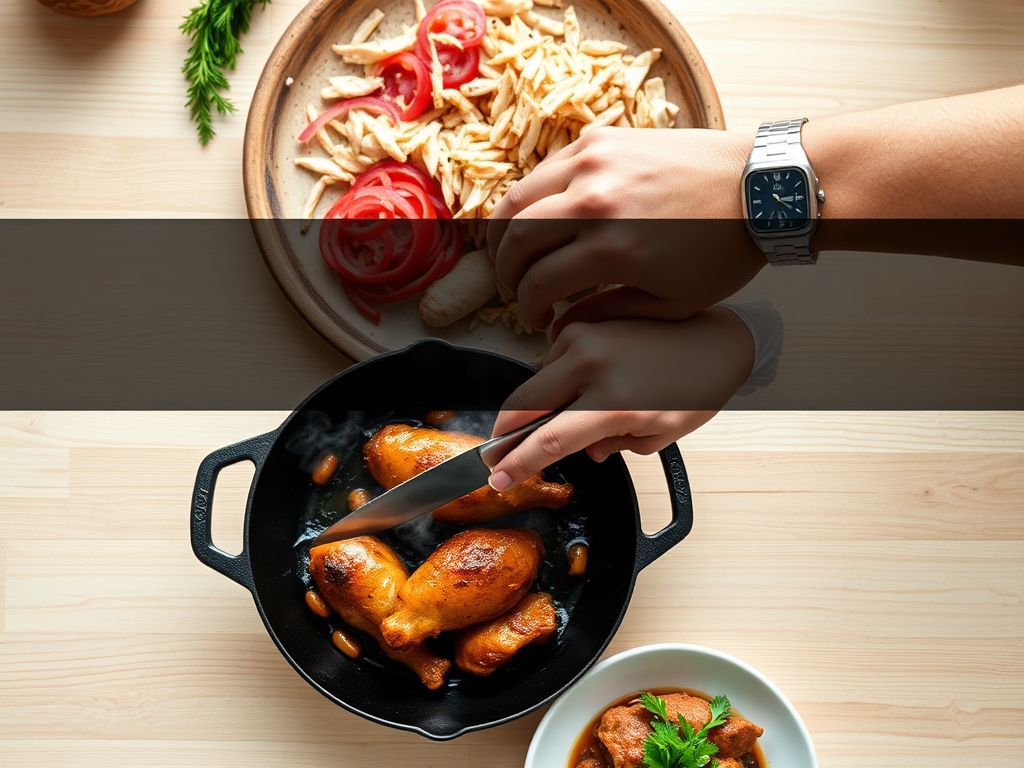
Pat the chicken extremely dry with paper towels. Season aggressively with kosher salt. Place the chicken skin-side down in a preheated cast iron pan. Use tongs to press the meat down, ensuring maximum contact with the heat source.
Pro Tip: This is the science of surface moisture evaporation. If the surface is wet, the energy of the pan goes into boiling the water rather than browning the meat. Dry skin equals a faster, crispier Maillard reaction.
2. Deglazing the Fond
Once the chicken is removed, you will see brown bits stuck to the pan. This is "fond," a concentrated goldmine of flavor. Pour in a piquant liquid like white wine or apple cider vinegar. Use a wooden spoon or bench scraper to lift those bits into the liquid.
Pro Tip: Deglazing uses solvent extraction to pull flavorful compounds that are not water-soluble into a liquid state, creating a complex base for any sauce.
3. Emulsifying the Sauce
Lower the heat and whisk in a cold fat, like cubed butter or coconut cream. Use a saucier if you have one, as the rounded bottom prevents the sauce from breaking in the corners.
Pro Tip: This creates an emulsion, where fat droplets are suspended in water. The cold temperature of the fat prevents the proteins from curdling, resulting in a velvety, professional finish.
4. The Aromatics Infusion
Add your microplaned garlic, ginger, or shallots during the last 60 seconds of sautéing. This prevents the delicate sugars in the aromatics from scorching and becoming bitter.
Pro Tip: This is lipid-bound infusion. The essential oils in the aromatics are fat-soluble; by tossing them in the oil briefly, you distribute the flavor evenly throughout the entire dish.
5. The Starch Slurry
If your sauce needs more body, mix one teaspoon of cornstarch with one tablespoon of cold water before adding it to the simmering liquid.
Pro Tip: This is starch gelatinization. The granules absorb liquid and swell when they hit 175 degrees Fahrenheit, creating a network that traps water and thickens the sauce without adding graininess.
The Deep Dive:
When we look at the macro nutrition of these chicken recipes gluten free, we are focusing on a high-protein, moderate-fat profile. A standard 6-ounce serving of chicken provides roughly 42 grams of protein. By swapping heavy flours for light starches or nut meals (like almond flour for breading), you lower the glycemic load of the meal significantly.
Dietary Swaps: For a Keto version, replace starches with xanthan gum (use sparingly, as it is highly potent). For a Vegan chicken alternative, use oyster mushrooms or pressed extra-firm tofu, applying the same searing techniques.
The Fix-It:
- Rubbery Chicken: This is usually due to overcooking. Use a digital meat thermometer and pull the chicken at 160 degrees Fahrenheit; carryover cooking will bring it to the safe 165 mark.
- Broken Sauce: If your sauce separates, whisk in a teaspoon of hot water or a splash of heavy cream to re-emulsify the fats.
- Soggy Breading: You likely crowded the pan. Cook in batches to prevent the temperature from dropping, which causes the meat to steam in its own juices.
Meal Prep: To maintain "day-one" quality, reheat chicken in a covered skillet with a tablespoon of broth. This creates a steam-chamber effect that rehydrates the protein fibers without making the exterior mushy.
The Wrap-Up:
Mastering chicken recipes gluten free is your ticket to becoming the most confident cook in your circle. Once you understand that flavor comes from the sear and texture comes from smart science rather than wheat, the kitchen becomes your playground. Grab your favorite skillet, trust the sizzle, and remember that every brown bit in that pan is a concentrated burst of deliciousness waiting to be claimed. You have the tools, you have the technique, and now you have the plan. Go make something incredible!
The Kitchen Table:
How do I make gluten-free chicken crispy?
The secret is a 50/50 blend of white rice flour and cornstarch. This combination creates a light, airy crystalline structure when fried. Always pat the chicken dry before coating to ensure the flour adheres to the protein rather than sliding off.
Can I use almond flour for breading?
Yes, almond flour works beautifully for a nutty, grain-free crust. However, it burns faster than grain flours due to its high oil content. Cook over medium heat and use a digital thermometer to ensure the interior is done without scorching the exterior.
Why is my gluten-free sauce grainy?
Graininess usually occurs if you add starch directly to hot liquid. Always create a "slurry" by mixing your starch with cold water first. This allows the starch granules to separate before they hit the heat, ensuring a smooth, viscous result every time.
What is the best way to store leftovers?
Store chicken in an airtight glass container to preserve the moisture. For the best texture, avoid the microwave. Reheat in a 350-degree oven or a covered skillet with a splash of water to gently re-steam the meat and maintain its tenderness.