
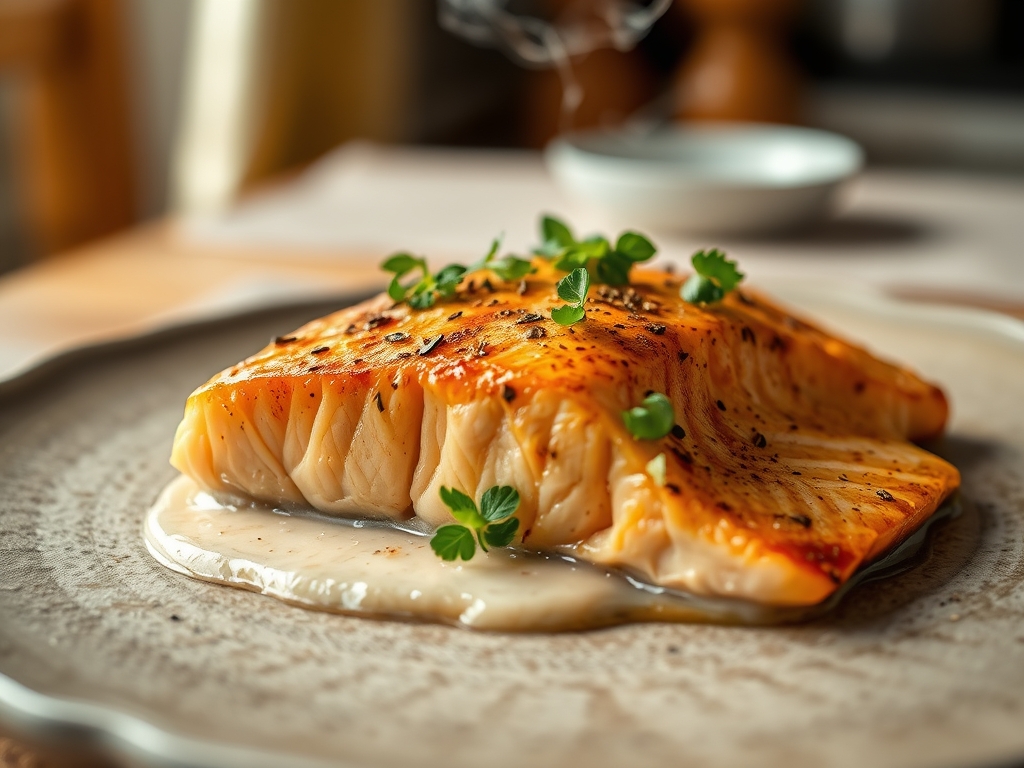
Picture this: a heavy-bottomed skillet sizzling on the stovetop, the aroma of rendered omega-3 fats mingling with fresh lemon zest and pungent garlic. You are not just cooking; you are engineering a metabolic masterpiece. Finding healthy salmon recipes for weight loss is the ultimate culinary cheat code because this pink-fleshed protein offers high-density satiety without the caloric baggage of marbled red meats. It is the perfect marriage of luxury and logic.
Salmon is a nutritional powerhouse, packed with astaxanthin, the antioxidant that gives the fish its vibrant hue and protects your skin from oxidative stress. When you prioritize healthy salmon recipes for weight loss, you are leveraging the thermic effect of food. Your body actually burns more energy digesting this lean protein than it does processing refined carbohydrates. We are going to move beyond the boring, dry fillets of your past. We are diving into eight distinct flavor profiles, from zesty Mediterranean crusted fillets to piquant ginger-soy glazes, all designed to keep your palate excited while your waistline shrinks. Let us get your kitchen ready for a transformation that feels less like a diet and more like a private chef residency.
The Gathers:
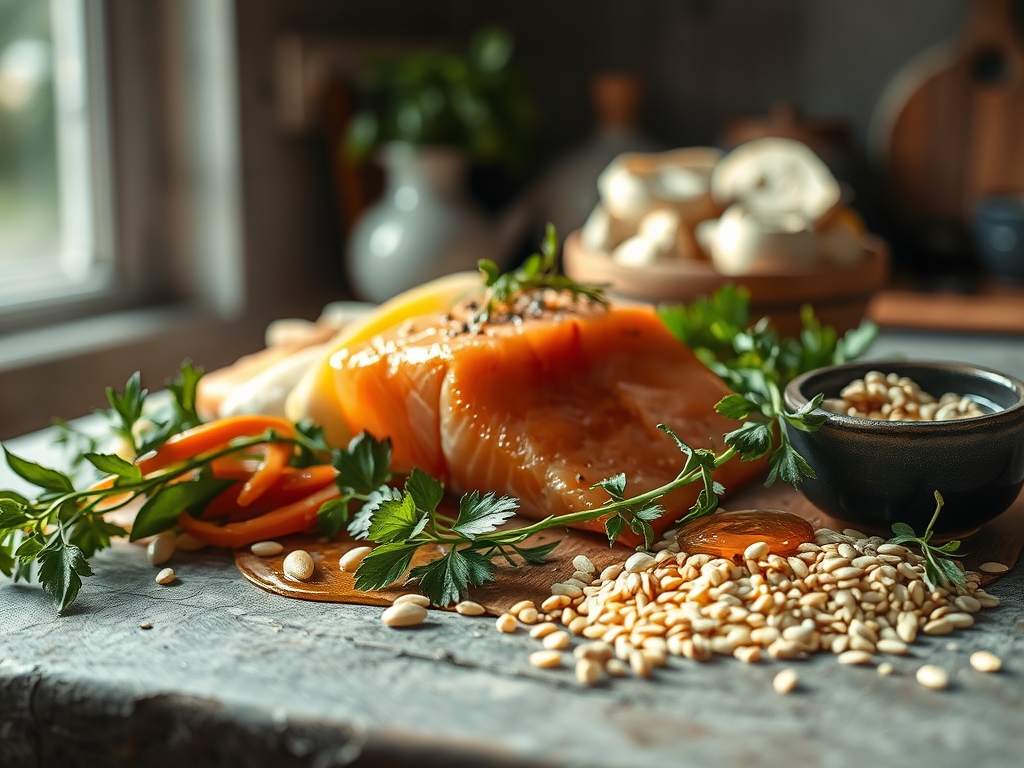
Your mise-en-place is the foundation of culinary success. To execute these healthy salmon recipes for weight loss, you need high-quality components that offer maximum flavor with minimal caloric density. Start with center-cut Atlantic or Sockeye fillets; look for firm flesh that springs back when touched. You will need a microplane for grating aromatics like ginger and garlic, which releases essential oils without adding the bulk of chopped pieces.
Gather your acids: fresh lemons, limes, and perhaps a splash of rice vinegar. These are essential for cutting through the viscous nature of the fish's natural oils. For fats, skip the butter and reach for avocado oil, which has a high smoke point of 520 degrees Fahrenheit. This allows you to achieve a perfect sear without the oil breaking down into bitter compounds.
Smart Substitutions:
If you are watching sodium, swap traditional soy sauce for liquid aminos or coconut aminos to maintain that umami depth. Instead of heavy breading, use crushed walnuts or hemp seeds for a crunchy texture that provides a boost of fiber and healthy fats. Always keep a digital scale nearby to ensure your portions remain at the 5 to 6-ounce sweet spot for weight loss goals.
The Clock
Efficiency in the kitchen is about "Chef's Flow," the art of overlapping tasks to minimize downtime. For these eight meals, expect a total prep time of 15 minutes and a cook time of 10 to 12 minutes. The secret is the thermal carryover; salmon continues to cook for several minutes after being removed from the heat.
Start by tempering your fish. Take it out of the refrigerator 20 minutes before cooking. Cold protein hitting a hot pan causes the muscle fibers to contract violently, squeezing out moisture and leaving you with a tough, dry fillet. Use this 20-minute window to prep your vegetable sides. By the time your heavy-bottomed skillet is shimmering, your greens should be chopped and your sauces whisked. This synchronized rhythm ensures everything hits the plate at the optimal temperature.
The Masterclass
1. The Perfect Sear
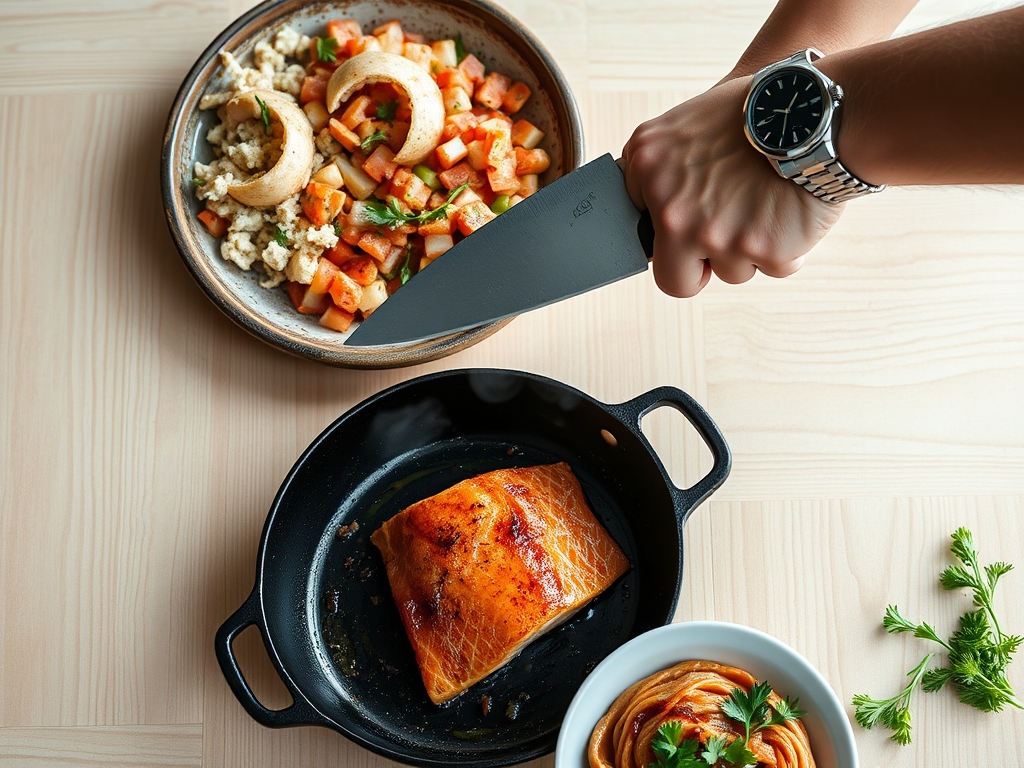
Pat the skin bone-dry with a paper towel. Moisture is the enemy of the Maillard reaction. Place the salmon skin-side down in a preheated pan with a teaspoon of oil. Use your tongs to press down gently for 30 seconds to prevent the skin from curling.
Pro Tip: This physical pressure ensures maximum surface contact, allowing the heat to render the subcutaneous fat, resulting in a glass-like, crispy skin that provides a satisfying crunch without deep frying.
2. Infusing the Aromatics
Once you flip the fish, add your aromatics like crushed garlic cloves or sprigs of thyme to the side of the pan. Tilt the skillet slightly and use a spoon to infuse the hot oil with these flavors, then baste the fish.
Pro Tip: This technique, known as arroser, uses the fat as a flavor carrier. It allows the fat-soluble compounds in the herbs to penetrate the protein without burning the delicate herbs themselves.
3. Deglazing for a Pan Sauce
Remove the salmon when it is just under your desired doneness. While the pan is still hot, add a splash of vegetable stock or citrus juice to deglaze the brown bits (the fond) from the bottom of the pan.
Pro Tip: Deglazing captures the concentrated protein sugars stuck to the pan. This creates a rich, savory sauce with zero added fat, intensifying the "healthy salmon recipes for weight loss" profile.
4. Resting for Succulence
Transfer the fillets to a warm plate or a wooden bench scraper and let them rest for at least 3 to 5 minutes.
Pro Tip: Resting allows the internal juices, which were pushed toward the center by the heat, to redistribute throughout the fillet. This ensures every bite is moist and tender rather than leaking juice the moment you cut into it.
The Deep Dive
When we look at the macro nutrition, a 6-ounce portion of cooked salmon provides roughly 350 calories, 40 grams of protein, and 20 grams of high-quality fats. This high protein-to-calorie ratio is exactly why these are considered premier healthy salmon recipes for weight loss.
Dietary Swaps:
For a Keto approach, pair your salmon with an avocado-lime mash to increase healthy fats. If you are Gluten-Free, ensure your seasonings are certified. For a Vegan-adjacent option (if you are cooking for a mixed household), the same glazes and techniques work beautifully on thick slabs of cauliflower or firm tofu.
The Fix-It:
- White Gunk (Albumin): If you see white liquid seeping out, you are overcooking the fish. The muscle fibers are contracting too hard and squeezing out the protein. Pull it off the heat earlier next time.
- Stuck Skin: You likely tried to flip it too soon. Protein will naturally release from the pan once the crust has formed. Be patient; the pan will tell you when it is ready.
- Bland Interior: Season your fish from a height to ensure even distribution, and don't forget to season the skin side.
Meal Prep Science:
To reheat salmon without it smelling like a locker room, avoid the microwave. Use a low-temperature oven (275 degrees) with a splash of water and a cover. This creates a gentle steam environment that prevents the fats from oxidizing and turning "fishy."
The Wrap-Up
Mastering healthy salmon recipes for weight loss is about more than just shedding pounds; it is about reclaiming your kitchen with confidence and scientific precision. By focusing on technique—like the perfect sear and the art of the deglaze—you transform a simple ingredient into a gourmet experience. You now have the tools, from the microplane to the saucier, to create meals that nourish your body and delight your senses. Go forth and cook with fire and flair!
The Kitchen Table
How do I know when salmon is perfectly cooked?
Use a digital thermometer to check for an internal temperature of 125 to 130 degrees Fahrenheit for medium-rare. The flesh should be opaque and flake easily with a fork while remaining moist in the center.
Can I use frozen salmon for weight loss recipes?
Yes, frozen salmon is often flash-frozen at sea, preserving nutrient density. Thaw it slowly in the refrigerator overnight. Always pat the fillets completely dry before cooking to ensure the skin becomes crispy rather than soggy.
Is salmon skin healthy to eat?
The skin contains the highest concentration of omega-3 fatty acids and collagen. When seared properly until crispy, it provides a delicious texture. However, ensure you are using high-quality, wild-caught, or sustainably farmed fish to minimize potential contaminants.
What are the best sides for salmon weight loss meals?
Pair your salmon with high-fiber, low-calorie options like roasted asparagus, sautéed spinach with lemon, or cauliflower rice. These "volume fillers" provide satiety without significantly increasing the caloric load of your meal, keeping you on track.