
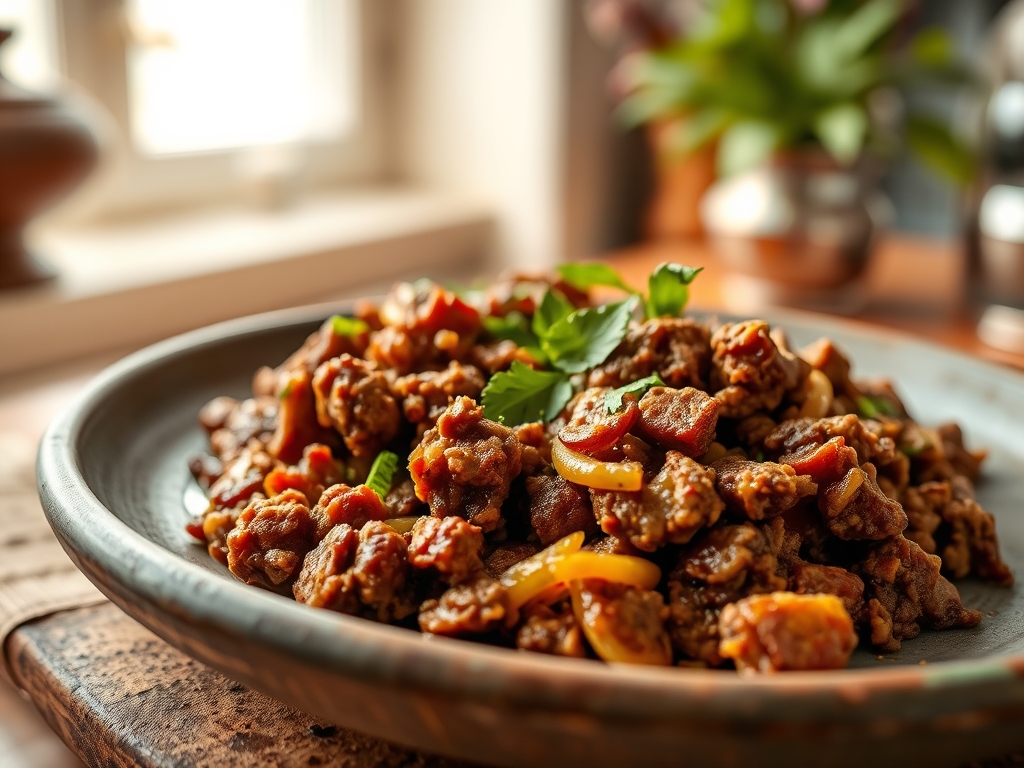
Imagine the sharp hiss of a heavy-bottomed skillet meeting cold fat; it is the sound of a culinary transformation about to begin. As the air fills with the piquant scent of toasted cumin and the deep, earthy musk of turmeric, you realize that indian ground beef recipes are not just about heat; they are a masterclass in the layering of complex flavor profiles. Ground beef, or keema, is a versatile powerhouse that absorbs spices like a sponge while providing a rich, savory base that satisfies the soul. We are moving beyond the standard burger or bolognese to explore a world where fat is a flavor carrier and every ingredient serves a structural purpose.
When we talk about authentic indian ground beef recipes, we are looking for that perfect balance of textures. You want the meat to be beautifully browned but still succulent, swimming in a sauce that is viscous enough to coat a spoon but light enough to feel fresh. It is about the science of the sear and the alchemy of the bloom. Whether you are folding this spiced beef into buttery paratha or serving it alongside fragrant basmati rice, the goal is a dish that feels intentional, sophisticated, and deeply rooted in tradition. Let us roll up our sleeves and get into the molecular magic of the spice box.
The Gathers:
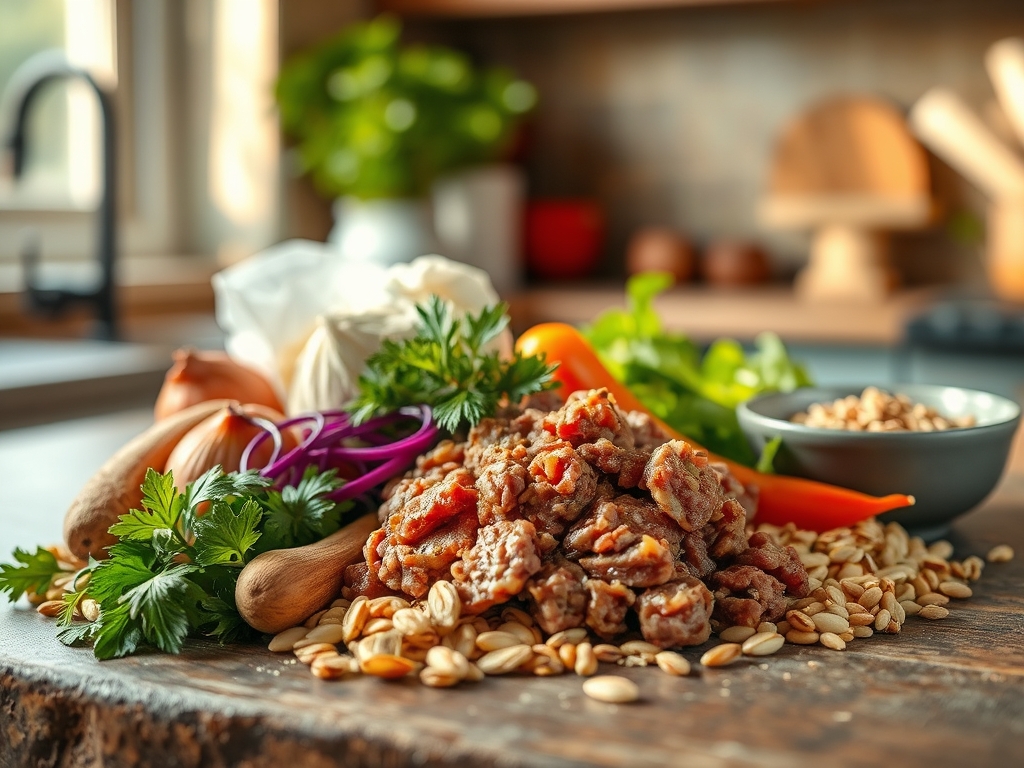
To execute these indian ground beef recipes with precision, your mise-en-place must be flawless. Start with 1.5 pounds of high-quality ground beef; ideally a 80/20 lean-to-fat ratio. This fat is essential for the Maillard reaction, providing the lipids necessary to carry fat-soluble spice compounds across your palate. You will need a large yellow onion, finely diced with a sharp chef's knife to ensure even caramelization. Fresh aromatics are non-negotiable: use a microplane to grate ginger and garlic into a fine paste, which increases the surface area for maximum flavor release.
Your spice kit should include whole cumin seeds, coriander powder, turmeric, and a high-quality garam masala. For the liquid element, a combination of crushed tomatoes and full-fat Greek yogurt will create a luxurious emulsion. Smart Substitutions: If you are avoiding dairy, a splash of coconut milk provides the necessary creaminess and acidity. If beef is unavailable, ground lamb is the traditional substitute, offering a gamier profile that pairs beautifully with the same spice ratios. For a leaner version, ground turkey works, but you must add a tablespoon of ghee to compensate for the lack of natural fat.
The Clock: Chef's Flow
Efficiency in the kitchen is about managing thermal energy and timing. Expect a total active time of 45 minutes. The "Chef's Flow" begins with 15 minutes of prep; chopping, grating, and measuring spices so you are not scrambling while the pan is hot. The cooking phase takes approximately 30 minutes. We spend the first 10 minutes rendering fat and browning the meat to build a flavor foundation. The middle 15 minutes are dedicated to "blooming" the spices and simmering the aromatics to remove their raw bite. The final 5 minutes are for the "finish," where we add fresh herbs and garam masala to preserve their volatile oils. This sequence ensures that every layer of flavor is distinct yet harmonious.
The Masterclass:
1. The High-Heat Sear
Place your heavy-bottomed skillet over medium-high heat. Once the pan is shimmering, add the beef. Do not crowd the pan; work in batches if necessary. Use a sturdy wooden spoon or a bench scraper to break the meat into small, uniform crumbles. Allow the meat to sit undisturbed for three minutes to develop a deep brown crust.
Pro Tip: This is the Maillard reaction in action. By allowing the meat to sear without constant stirring, you are creating melanoidins, the chemical compounds responsible for that savory, "meaty" flavor profile.
2. Rendering and Deglazing
Once the meat is browned, remove it from the pan but leave the rendered fat behind. If the pan looks dry, add a teaspoon of ghee. Add your whole cumin seeds and let them sizzle until they become fragrant and slightly darker. This process is called "tempering." Use a splash of water or beef stock to deglaze the pan, scraping up the brown bits (the fond) from the bottom.
Pro Tip: Deglazing captures the concentrated proteins stuck to the pan, ensuring that no flavor is lost. The steam also helps to soften any stubborn bits before the aromatics are added.
3. The Aromatic Foundation
Add your diced onions to the fat. Sauté them until they are translucent and starting to turn golden brown around the edges. Add the ginger and garlic paste. Stir constantly for 60 seconds to prevent the garlic from burning, which would introduce a bitter note to the entire dish.
Pro Tip: Onions contain natural sugars that caramelize at high temperatures. Slow-cooking them at this stage creates a sweet base that balances the piquant spices added later.
4. Blooming the Spices
Lower the heat to medium. Add the turmeric, coriander, and chili powder. Stir the spices into the fat for about 30 to 45 seconds. You will see the oil turn a vibrant orange-red color as the fat-soluble compounds in the spices dissolve.
Pro Tip: This is known as blooming. Many spices are hydrophobic; their flavor molecules are locked away and only released when exposed to hot fat rather than water-based liquids.
5. Building the Emulsion
Return the beef to the pan and stir in the crushed tomatoes. Once the tomatoes have softened and released their juices, turn the heat to low and whisk in the Greek yogurt one tablespoon at a time. This prevents the yogurt from curdling.
Pro Tip: The acidity in the tomatoes and yogurt acts as a tenderizer for the beef fibers while the fats create a stable emulsion, resulting in a silky, viscous sauce.
6. The Gentle Simmer
Cover the skillet and let the mixture simmer on low for 10 to 15 minutes. This allows the various flavor compounds to marry and penetrate the meat deeply. If the mixture looks too dry, add a tablespoon of water; if it is too wet, simmer uncovered for the last few minutes.
Pro Tip: This stage involves osmosis, where the salt and spices move from the sauce into the meat cells, ensuring the beef is seasoned from the inside out.
7. The Finishing Flourish
Turn off the heat. Sprinkle the garam masala and a handful of freshly chopped cilantro over the top. Stir gently to incorporate. Garam masala is a blend of "warm" spices that lose their aromatic potency if cooked for too long.
Pro Tip: This uses volatile oil preservation. By adding these aromatics at the very end, you ensure the brightest, most floral notes hit the diner's nose immediately.
8. The Resting Phase
Let the keema rest for five minutes before serving. This allows the muscle fibers in the beef to relax and reabsorb some of the juices, ensuring every bite is moist.
Pro Tip: This is thermal carryover. Even off the heat, the internal temperature remains high enough to finish the cooking process gently without drying out the protein.
The Deep Dive:
From a macro perspective, indian ground beef recipes are a protein powerhouse. A standard serving provides roughly 25g of protein and 18g of fat, making it an excellent choice for those on a Keto or low-carb diet. To keep it strictly Keto, serve the beef over cauliflower rice instead of traditional grains. For a Vegan swap, use crumbled extra-firm tofu or plant-based "beef" crumbles; just be sure to add extra fat as these substitutes lack the natural tallow of beef. To keep the dish Gluten-Free, ensure your spice blends are certified and avoid using flour as a thickener.
The Fix-It:
- Grainy Sauce: This usually happens if the yogurt curdles. Fix it by adding a splash of heavy cream and whisking vigorously over very low heat.
- Too Much Salt: If you over-seasoned, add a peeled, halved potato to the simmer; it will absorb excess salt like a sponge.
- Lack of Depth: If the flavor feels flat, add a squeeze of fresh lemon juice or a teaspoon of apple cider vinegar. The acid will brighten the spices and "wake up" the palate.
Meal Prep Science: This dish actually tastes better the next day. As it cools, the fat solidifies and traps the spice molecules. When reheating, do so in a saucier over medium-low heat with a tablespoon of water to re-hydrate the emulsion. Avoid the microwave if possible, as it can cause the fat to separate and make the meat rubbery.
The Wrap-Up:
Mastering indian ground beef recipes is like learning a new language where spices are the vocabulary and heat is the syntax. You have moved beyond simple browning to understanding the molecular nuances of blooming spices and creating stable emulsions. This dish is a testament to how humble ingredients, when treated with technical respect, can become a gourmet experience. So, grab your favorite skillet, trust your nose, and enjoy the rich, aromatic rewards of your kitchen chemistry!
The Kitchen Table:
Can I make this in a slow cooker?
Yes. Brown the beef and aromatics in a skillet first to develop the Maillard reaction. Transfer everything to the slow cooker and cook on low for 4 to 6 hours. Add fresh herbs and garam masala just before serving.
What is the best way to serve Keema?
Traditionally, it is served with buttery naan or paratha. For a lighter option, use large butter lettuce leaves as wraps or serve over a bed of fluffy, long-grain basmati rice scented with whole cloves and cardamom pods.
How long does cooked ground beef last in the fridge?
Stored in an airtight container, it will remain fresh for 3 to 4 days. The flavors actually intensify over time. For longer storage, you can freeze it for up to three months without significant loss of texture.
Why is my ground beef tough?
Toughness usually results from overworking the meat or cooking it at a high temperature for too long without enough moisture. Ensure you use a gentle simmer and include acidic components like tomatoes or yogurt to break down fibers.