
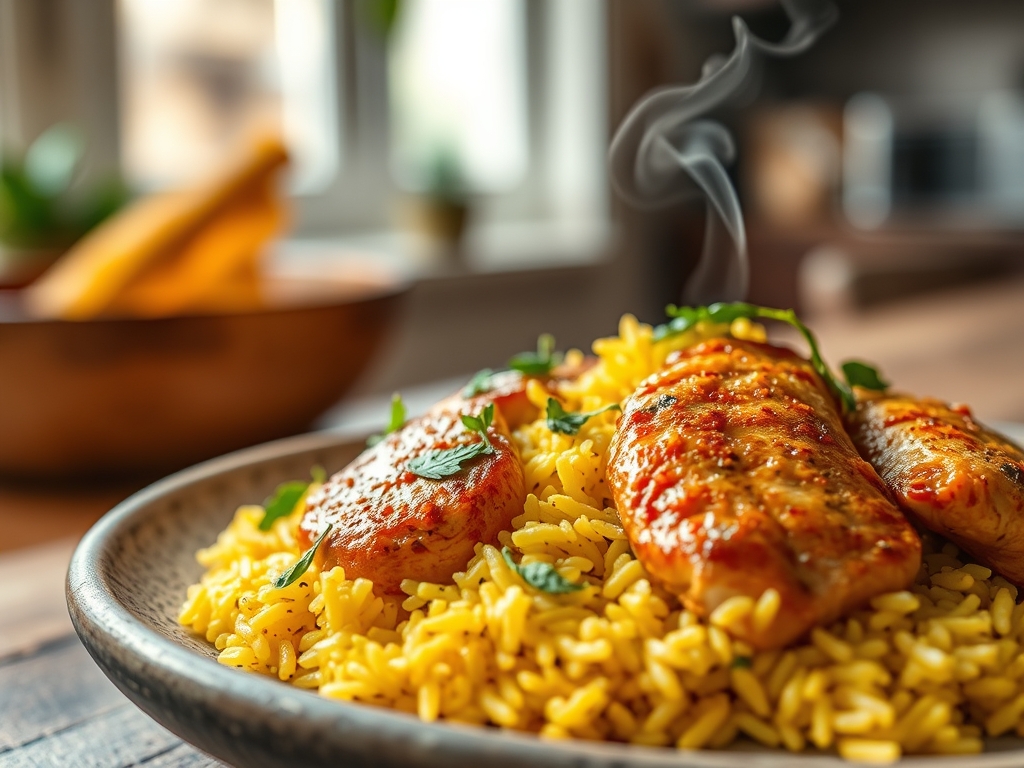
Picture the kitchen at five in the evening when the light turns honey-gold and hits a heavy-bottomed skillet. There is a specific, Pavlovian magic that happens when fat hits heat and spices bloom. If you are searching for the ultimate yellow rice and chicken recipes, you are essentially looking for the culinary equivalent of a warm hug that also happens to be a masterclass in flavor chemistry. We are not just making dinner; we are orchestrating a symphony of amino acids and aromatic compounds.
Yellow rice and chicken recipes are the global gold standard for comfort because they balance the savory depth of poultry with the earthy, floral notes of turmeric or saffron. It is a dish that exists in almost every culture, from the Arroz con Pollo of Latin America to the fragrant Biryanis of South Asia. The secret lies in the rice grains absorbing every drop of the collagen-rich chicken stock, turning a humble pantry staple into a gold-flecked masterpiece. Whether you are a meal-prep maven or a weekend dinner party host, mastering this duo is your ticket to kitchen royalty.
The Gathers:
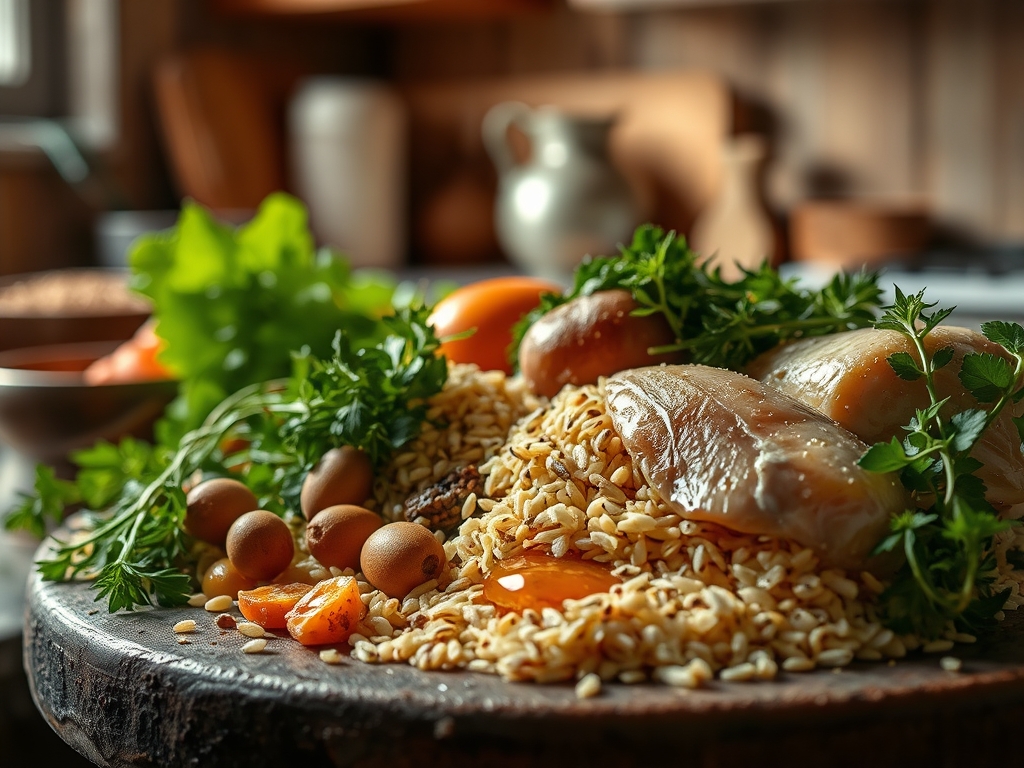
To achieve professional results, your mise-en-place must be precise. Start with high-quality long-grain jasmine or basmati rice. These varieties contain a higher ratio of amylose, which ensures the grains remain distinct and fluffy rather than clumping into a viscous mass. For the protein, opt for bone-in, skin-on chicken thighs. The bone acts as a thermal conductor, ensuring even cooking, while the skin provides the essential fats needed to render and sauté your aromatics.
Your spice cabinet is the star here. You will need high-grade turmeric for that iconic sunshine hue, but do not sleep on the aromatics. Fresh garlic, shallots, and ginger should be prepped using a microplane to create a fine paste; this increases the surface area, allowing the essential oils to infuse the oil almost instantly. Use a digital scale to measure your rice and liquid ratios. A standard 1:1.5 ratio of rice to stock is the sweet spot for a firm, toothsome bite.
Smart Substitutions: If saffron is outside the budget, a pinch of safflower or a high-quality annatto oil provides a similar visual vibrance. For a lower glycemic index, swap white rice for cauliflower rice, but be sure to reduce the added liquid by seventy percent, as the vegetable will release its own moisture during the cooking process. If you are out of fresh aromatics, a high-quality jarred sofrito can act as a flavor shortcut without sacrificing the piquant depth of the dish.
The Clock
Efficiency in the kitchen is about understanding the Chef's Flow. This is the art of overlapping tasks so that no minute is wasted. Total active prep time should clock in at twenty minutes, with a total cook time of thirty-five minutes. While the chicken is browning in the skillet, use that time to rinse your rice. Rinsing is non-negotiable; it removes excess surface starch that would otherwise cause the rice to become gummy.
Once the rice is simmering, you have a fifteen-minute "dead zone." This is when you tidy your station with a bench scraper and prep your garnishes. By the time the timer dings, your kitchen is clean and your herbs are chopped. This flow prevents the frantic energy that often leads to overcooked protein or scorched rice.
The Masterclass
1. The Maillard Sear
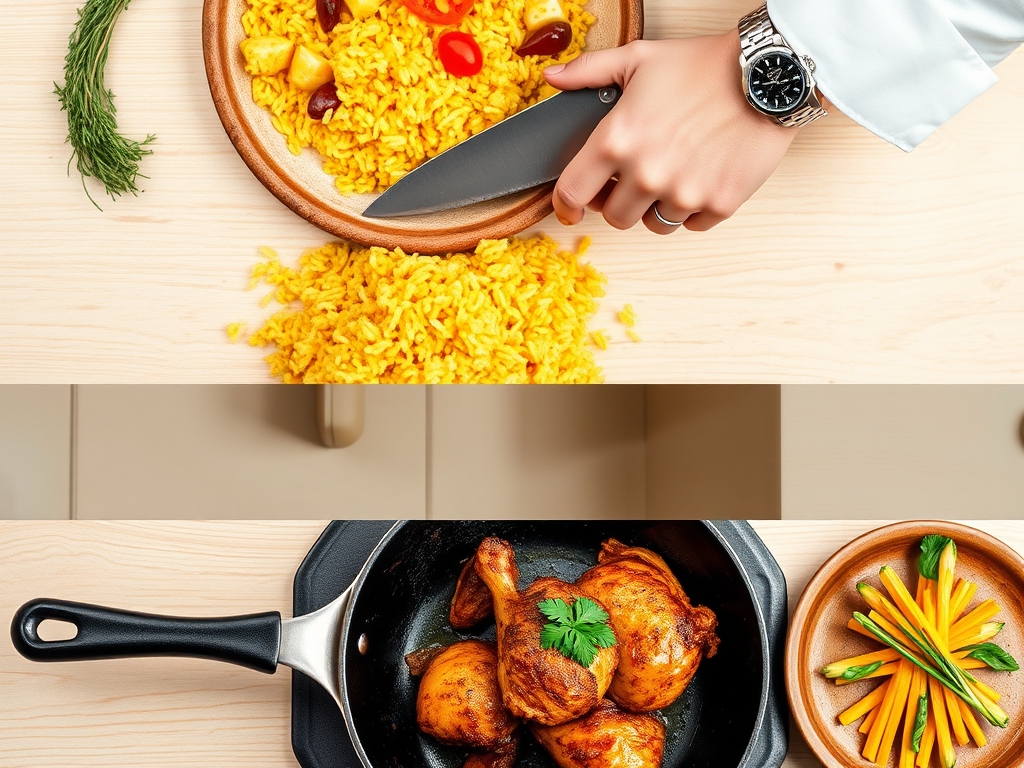
Pat the chicken bone-dry with paper towels. Heat your heavy-bottomed skillet over medium-high heat and add a high-smoke-point oil like avocado oil. Place the chicken skin-side down and do not move it for at least six minutes. Use tongs to check for a deep, mahogany crust.
Pro Tip: This stage relies on the Maillard Reaction, a chemical reaction between amino acids and reducing sugars that creates hundreds of different flavor compounds. Moving the chicken too early prevents the crust from forming and causes the meat to tear.
2. Deglazing the Fond
Remove the chicken and set it aside. You will see brown bits stuck to the bottom of the pan; this is "fond," and it is pure flavor gold. Toss in your minced aromatics and stir rapidly. Once they are fragrant, pour in a splash of dry white wine or chicken stock to deglaze the pan.
Pro Tip: Use a wooden spoon to scrape the bottom. The liquid acts as a solvent, lifting the caramelized proteins and incorporating them into what will become your cooking liquor. This ensures the yellow rice is seasoned from the inside out.
3. Toasting the Grains
Add your rinsed and drained rice directly into the fat remaining in the pan. Stir for two to three minutes until the edges of the rice grains look translucent and smell slightly nutty.
Pro Tip: Toasting the rice creates a protective layer of dextrinization on the outside of each grain. This structural reinforcement prevents the rice from bursting and becoming mushy during the long simmer.
4. The Controlled Simmer
Add your measured stock, turmeric, and salt. Return the chicken to the pan, nestling it into the rice. Bring the liquid to a hard boil, then immediately drop the heat to the lowest setting and cover with a tight-fitting lid.
Pro Tip: This is about thermal equilibrium. A tight seal traps steam, creating a pressurized environment that forces moisture into the center of the rice grain while the chicken finishes cooking via gentle poaching.
5. The Rest and Aeration
Once the liquid is fully absorbed, turn off the heat but leave the lid on for ten minutes. Finally, remove the lid and use a fork or a saucier whisk to gently aerate the grains.
Pro Tip: This resting period allows for moisture redistribution. The steam at the top of the pot settles back into the rice, ensuring the bottom layer isn't wet while the top is dry. Fluffing the rice releases excess steam so the grains don't continue to cook and soften.
The Deep Dive
From a nutritional standpoint, yellow rice and chicken recipes are beautifully balanced. A standard serving provides roughly thirty-five grams of protein and forty-five grams of complex carbohydrates. To make this Vegan, swap the chicken for smoked firm tofu or chickpeas and use a rich vegetable bouillon. For Keto enthusiasts, use riced konjac root or cauliflower and increase the healthy fats by adding a swirl of grass-fed butter at the end.
The Fix-It:
- Crunchy Rice: If the rice is still hard after the timer, your lid likely leaked steam. Add two tablespoons of boiling water, replace the lid, and let it sit on residual heat for five minutes.
- Bland Flavor: You likely forgot to salt the rice. Fold in a teaspoon of fish sauce or liquid aminos; these provide umami without making the dish overly "fishy."
- Burnt Bottom: Your heat was too high. Do not scrape the bottom! Transfer the "good" rice to a bowl and leave the scorched layer behind. The rice might have a smoky flavor; lean into it by adding a pinch of smoked paprika.
Meal Prep Science: When reheating, rice often turns into a brick. This is starch retrogradation, where the molecules recrystallize. To fix this, add a teaspoon of water per cup of rice and cover it tightly before microwaving. The steam will break those crystals down, returning the rice to its original fluffy state.
The Wrap-Up
Mastering yellow rice and chicken recipes is about more than just following a list of ingredients; it is about understanding how heat, fat, and starch interact to create something greater than the sum of its parts. When you see that vibrant yellow hue and smell the toasted aromatics, you know you have hit the jackpot. Take these techniques, grab your favorite skillet, and turn a Tuesday night into a culinary event. You have the science; now go make the magic.
The Kitchen Table
How do I prevent my yellow rice from being mushy?
Always rinse your rice until the water runs clear to remove excess surface starch. Additionally, sauté the dry rice in oil for two minutes before adding liquid to create a structural barrier that keeps grains separate and firm.
Can I use chicken breasts instead of thighs?
Yes, but be careful. Breasts lack the fat and connective tissue of thighs, making them prone to drying out. Add them to the pot halfway through the rice's simmering time to ensure they stay juicy and tender.
Why is my rice not turning bright yellow?
Your turmeric might be old. The curcumin in turmeric, which provides the pigment, degrades over time when exposed to light. For the most vibrant color, bloom your spices in hot oil at the start of the cooking process.
Is it safe to freeze yellow rice and chicken?
Absolutely. Ensure the dish cools completely before sealing it in an airtight container to prevent ice crystals. When reheating, add a splash of broth to restore the moisture lost during the freezing and thawing process.