
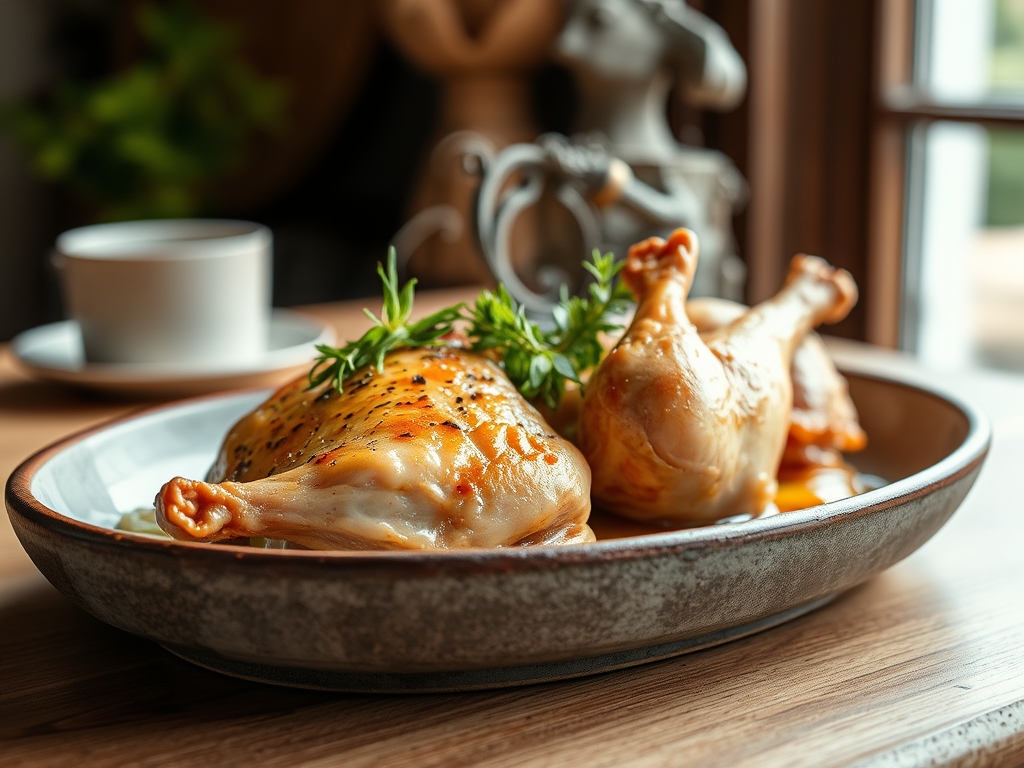
Picture this: a kitchen filled with the aromatic steam of ginger and peppercorns, where the humble bird transforms into a silk-textured masterpiece. Most people treat the stove like a desert, leaving poultry dry and fibrous, but we are about to change that narrative forever. Mastering boiled chicken recipes is not about high heat; it is about the gentle physics of heat transfer and the delicate balance of osmotic pressure. When you treat the water as a flavor delivery system rather than a mere heating medium, the results are transformative. We are aiming for a succulent, fork-tender finish that defies the "bland" reputation of poached meats. This is the foundation of a thousand meals, from vibrant salads to hearty grain bowls, executed with the precision of a laboratory and the soul of a bistro. By the time we finish, you will view your stockpot as a precision instrument for collagen breakdown and moisture retention. Let us dive into the chemistry of the perfect simmer and reclaim the elegance of the poach.
The Gathers:
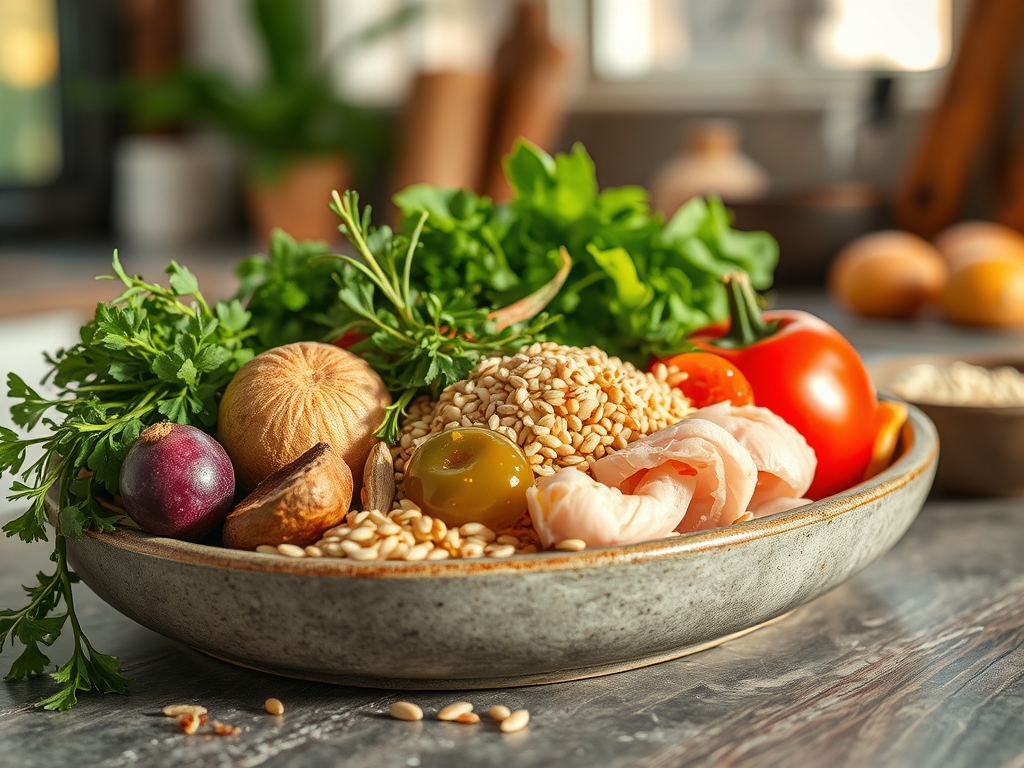
To achieve a piquant and deeply savory result, we must curate our mise-en-place with intent. Start with high-quality organic chicken breasts or thighs; the higher fat content in thighs provides a more viscous mouthfeel due to the rendered lipids. You will need a heavy-bottomed saucier or a Dutch oven to ensure even heat distribution. Grab your digital scale to measure exactly 15 grams of sea salt per liter of water; this creates a brine-like environment that encourages protein denaturation without toughening the fibers.
Our aromatics are the soul of the dish. Use a microplane to zest a lemon directly into the pot, capturing the volatile oils. Include smashed garlic cloves, a thumb of bruised ginger, and a handful of black peppercorns. If you want to elevate the umami profile, add a single sheet of kombu or a splash of fish sauce. For smart substitutions, swap the water for a low-sodium bone broth to increase the amino acid density. If you are out of fresh ginger, a star anise pod offers a similar aromatic depth. Ensure your tongs are nearby; you will need them for the delicate extraction of the meat once it reaches the internal temperature of 165 degrees Fahrenheit.
The Clock:
The "Chef's Flow" is all about timing and thermal management. Total preparation time is a mere 10 minutes, focusing on the precision of your knife work and the organization of your aromatics. The actual cooking time varies between 12 and 18 minutes depending on the thickness of the protein. However, the most critical phase is the "Rest and Carryover" period.
Budget 5 minutes for the water to reach a gentle boil and another 10 minutes for the post-cook rest. In total, you are looking at a 30-minute window from fridge to table. The secret to professional efficiency is to use your "down time" while the chicken simmers to prep your finishing sauces or clean your workspace with a bench scraper. This ensures that the moment the chicken is sliced, your environment is pristine and ready for plating.
The Masterclass:
1. The Cold Start Infusion
Place your chicken in the pot and cover it with cold, filtered water or broth. Starting with cold liquid allows the proteins to heat up gradually, preventing the outer layers from seizing before the center is cooked. Add your aromatics now so the flavors can infuse the liquid as it rises in temperature.
Pro Tip: This technique utilizes thermal equilibrium. By starting cold, you prevent the rapid contraction of muscle fibers, which is the primary cause of the "rubbery" texture often found in poorly executed boiled chicken recipes.
2. The Gentle Simmer
Bring the liquid to a boil, then immediately drop the heat to the lowest possible setting. You want to see "lazy bubbles" breaking the surface, not a rolling boil. Use a spoon to skim any gray foam that rises to the top; these are denatured proteins and impurities that can cloud the flavor profile.
Pro Tip: Maintaining a temperature between 170 and 180 degrees Fahrenheit ensures that the collagen begins to dissolve into gelatin without the high heat causing the muscle fibers to expel their internal moisture.
3. The Poach and Probe
Cover the pot with a tight-fitting lid to trap the steam. After 12 minutes, use a digital thermometer to check the thickest part of the meat. We are looking for 160 degrees Fahrenheit if we plan to let it rest, as carryover heat will do the remaining work.
Pro Tip: Thermal carryover is a scientific reality where the exterior heat continues to move toward the core even after the meat is removed from the liquid. Pulling the meat slightly early prevents overcooking.
4. The Ice Bath or The Rest
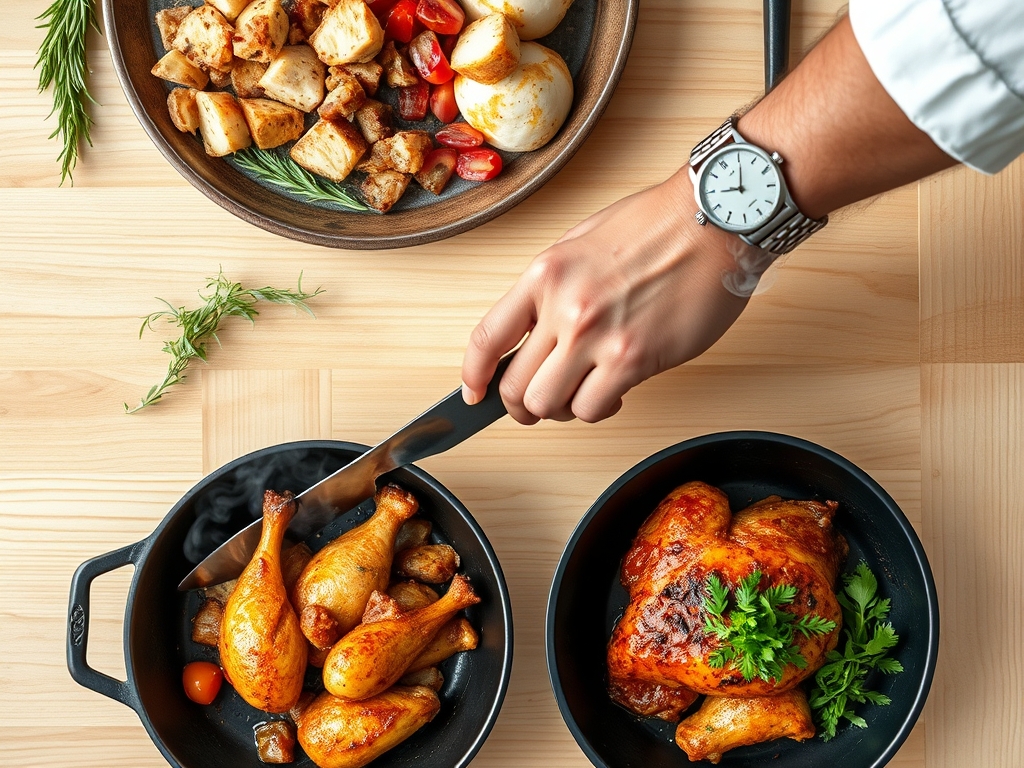
If you are serving the chicken cold, shock it in an ice bath to stop the cooking process immediately. If serving warm, transfer it to a cutting board and tent it loosely with foil for five minutes. This allows the internal juices to redistribute through the fibers.
Pro Tip: This resting phase allows the viscosity of the internal fluids to stabilize. If you cut the chicken immediately, the pressure differential will cause the juices to leak out, leaving the meat dry.
The Deep Dive:
From a macro nutrition perspective, boiled chicken is a powerhouse of lean protein, typically offering 31 grams of protein per 100-gram serving with minimal fat. For those on Keto, keep the skin on to increase the healthy fat ratio. For a Vegan swap, this same poaching method works beautifully with extra-firm tofu or seitan, though you should increase the salinity of the liquid to help the plant proteins firm up.
The Fix-It: Common Pitfalls
- The Meat is Rubbery: This happens when the water was at a rolling boil. Fix it by shredding the meat and tossing it in a heavy sauce or mayo to add artificial moisture.
- The Flavor is Bland: You likely under-salted the poaching liquid. Fix it by finishing the sliced chicken with a sprinkle of flaky Maldon salt and a squeeze of fresh lime.
- The Texture is Slimy: This occurs if the chicken was undercooked. Return it to the hot liquid for 2 to 3 minutes; do not microwave it, as this will destroy the cellular structure.
Meal Prep Science: To maintain "day-one" quality when reheating, store the chicken in a shallow container submerged in some of its poaching liquid. When you reheat it, do so gently in a pan with a lid to create a steam chamber, preventing the evaporative cooling that dries out leftovers.
The Wrap-Up:
Mastering the art of the poach is like unlocking a secret level in culinary school. It is the ultimate test of patience and temperature control. By focusing on the science of protein denaturation and the beauty of aromatics, you have turned a basic ingredient into a versatile, gourmet staple. Whether you are tossing this into a spicy Thai salad or eating it plain with a side of roasted greens, you now have the technical prowess to ensure it is perfect every single time. Go forth and simmer with confidence; your taste buds will thank you for the upgrade!
The Kitchen Table:
How do I keep boiled chicken from being dry?
Start the chicken in cold water and never let the liquid reach a rolling boil. Use a digital thermometer to pull the meat at 160 degrees Fahrenheit, allowing carryover heat to finish the job while the juices redistribute during a five-minute rest.
What are the best aromatics for poaching?
For a versatile flavor, use smashed garlic, sliced ginger, peppercorns, and bay leaves. You can also add lemon zest, star anise, or fresh cilantro stems to match the specific cuisine of your final dish, such as Asian or Mediterranean styles.
Can I use frozen chicken for this recipe?
It is best to thaw chicken completely in the refrigerator before poaching to ensure even heat penetration. If you must cook from frozen, increase the simmering time by 50 percent and use a thermometer to verify the internal temperature reaches 165 degrees.
How long does boiled chicken last in the fridge?
Stored in an airtight container with a small amount of the poaching liquid to maintain moisture, boiled chicken will stay fresh and flavorful for three to four days. Always ensure it has cooled completely before sealing the container to prevent bacterial growth.