
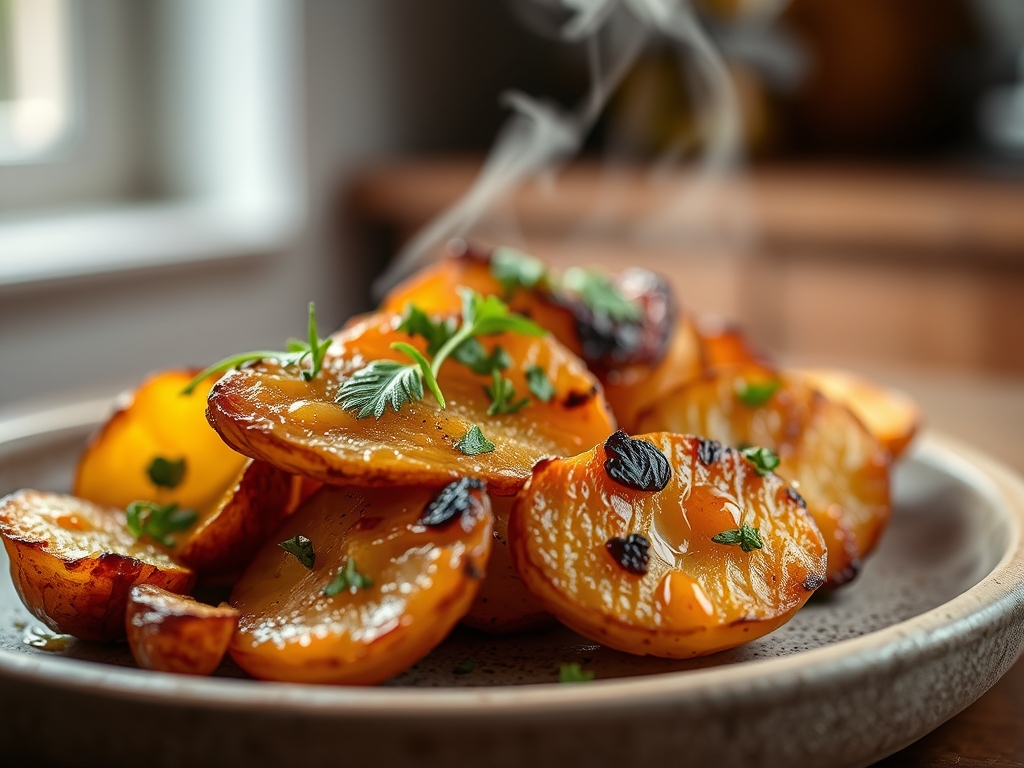
Picture a Saturday evening where the air in your kitchen is thick with the scent of rosemary and shimmering fat. You reach into the oven and pull out a tray of gold; each cube is a structural masterpiece with a glass-like exterior that shatters against the tooth to reveal a center as light as a cloud. Finding easy oven roasted potato recipes that actually deliver on this textural promise can feel like a hunt for the Holy Grail. Most home cooks settle for leathery skins or damp, sad interiors. I am here to tell you that the difference between a side dish and a culinary event is simply a matter of physics. We are going to manipulate starch and surface area to create the ultimate crunch. It is time to stop guessing and start engineering the perfect bite. Grab your apron and your favorite heavy-bottomed roasting pan; we are about to transform the humble tuber into a five-star masterpiece using logic, heat, and a little bit of kitchen magic.
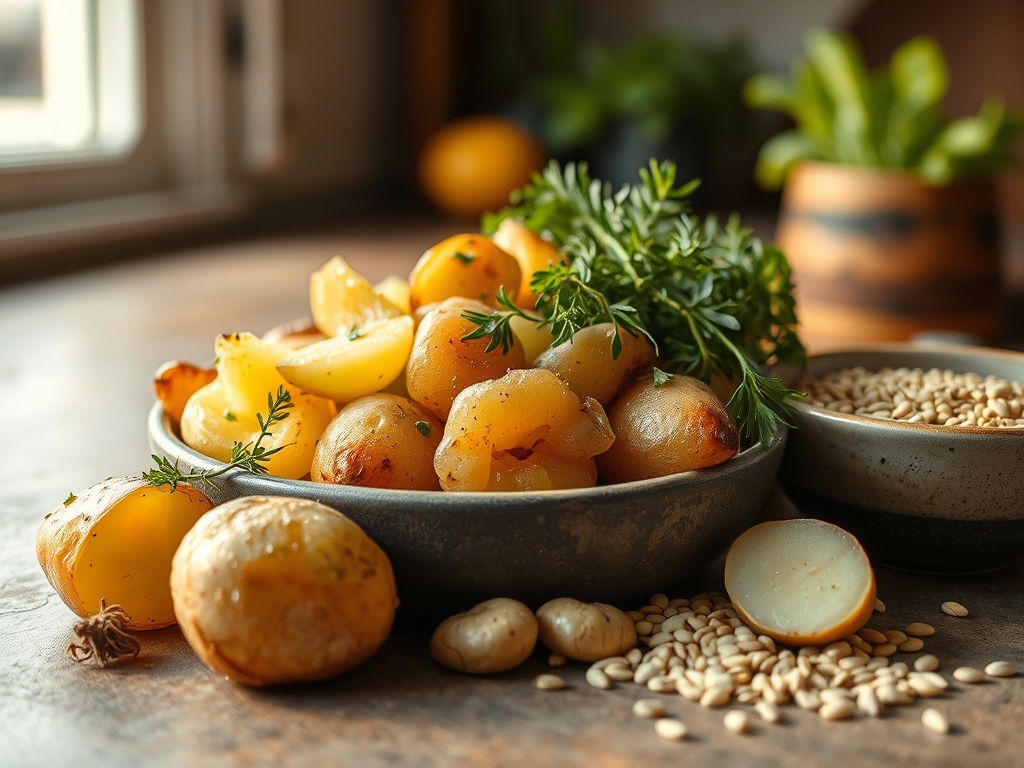
The Gathers:
To achieve greatness, you must start with the right biological building blocks. We are looking for high-starch cultivars, specifically the Russet or the Yukon Gold. Russets provide a floury internal structure that dehydrates beautifully, while Yukons offer a buttery, viscous mouthfeel due to their medium starch content. You will need a high-quality fat with a high smoke point; think avocado oil, clarified butter, or rendered duck fat for a truly piquant depth of flavor.
Your mise-en-place should include coarse kosher salt for abrasive seasoning and fresh woody herbs like thyme or rosemary. If you want to elevate the profile, reach for a microplane to zest a hint of lemon or grate fresh garlic at the very end to avoid burning the delicate aromatics. Smart substitutions are your best friend here. If you are avoiding nightshades, Japanese sweet potatoes offer a similar starch profile. If you lack duck fat, a high-quality tallow or even a neutral grapeseed oil will ensure the Maillard reaction occurs without the oil breaking down into acrid compounds.
The Clock
Efficiency in the kitchen is about Chef's Flow, which is the art of overlapping tasks so no heat is wasted. Expect ten minutes of active prep and forty-five minutes of roasting. The secret is the "Gap Time." While your oven preheats to a scorching 425 degrees Fahrenheit, you are parboiling. This is not wasted time; it is the essential window where we prep the fat and herbs. By the time the oven chime rings, your potatoes should be steaming and ready for their oil bath. Total "table time" is roughly sixty minutes, but the actual labor is minimal if you use a bench scraper to move your chopped spuds quickly and keep your workspace clear.
The Masterclass:
1. The Precision Cut
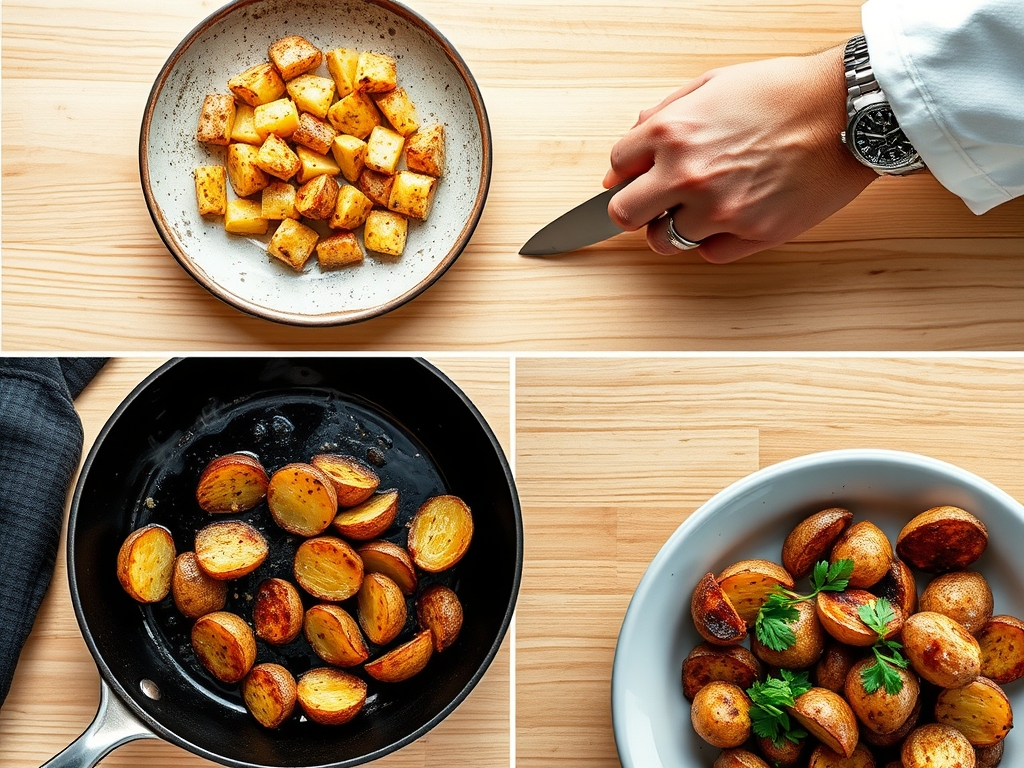
Consistency is the soul of even cooking. Use a sharp chef knife to create one-inch cubes. If the sizes vary, the small pieces will carbonize before the large ones reach systemic tenderness.
Pro Tip: Uniformity ensures that the thermal diffusivity is constant across the tray. When every piece has the same volume-to-surface-area ratio, they all reach the finish line at the exact same moment.
2. The Alkaline Parboil
Place your potatoes in a saucier or pot of cold, heavily salted water with a half-teaspoon of baking soda. Bring to a boil and simmer for eight minutes.
Pro Tip: The baking soda raises the pH of the water, which breaks down the pectin in the potato's cell walls. This creates a starchy slurry on the surface that eventually dehydrates into the thickest, crunchiest crust you have ever experienced.
3. The Rough-Up
Drain the potatoes and let them steam-dry for two minutes. Return them to the pot, add your fat, and shake vigorously until the edges look frayed and mashed.
Pro Tip: This increases the surface area exponentially. Those "fuzzy" edges are what catch the oil and fry during the roasting process; more surface area equals more crunch through dehydration synthesis.
4. The Fat Infusion
While the potatoes are parboiling, heat your roasting pan in the oven with your chosen fat. Toss the "fuzzy" potatoes into the hot oil, ensuring every crevice is coated.
Pro Tip: Adding cold potatoes to a cold pan leads to sticking. By preheating the pan, you initiate an immediate sear, preventing the starch from bonding to the metal surface.
5. The High-Heat Roast
Spread the potatoes in a single layer. Do not crowd the pan. Roast for twenty minutes, then use tongs or a metal spatula to flip them.
Pro Tip: Crowding the pan creates steam. Steam is the enemy of the crunch. You need dry, circulating air to move moisture away from the potato so the exterior can undergo enzymatic browning.
6. The Aromatic Finish
In the last five minutes of roasting, toss in your smashed garlic and herbs. This prevents the delicate oils in the herbs from vaporizing and the garlic from turning bitter.
Pro Tip: This is called residual heat infusion. The fats on the potato are hot enough to bloom the spices without scorching the solids, ensuring a bright, fresh flavor profile.
7. The Resting Phase
Remove the pan and let the potatoes sit for three minutes before serving. Use a digital scale if you are portioning for guests to ensure everyone gets an equal share of the gold.
Pro Tip: This allows for thermal carryover. The internal steam redistributes, ensuring the center is fluffy while the exterior shell hardens as it slightly cools, much like tempered glass.
The Deep Dive
From a macro perspective, potatoes are a nutritional powerhouse, offering more potassium than bananas and a significant hit of Vitamin C. To keep this Vegan, stick to high-quality olive oil or avocado oil. For Keto enthusiasts, this technique works surprisingly well with cauliflower florets or radishes, though the roasting time will decrease by half.
If you hit a snag, don't panic. If your potatoes are sticking, you likely didn't use enough fat or the pan wasn't hot enough; let them roast five minutes longer and they should release naturally. If they are soft rather than crunchy, your oven temperature might be inaccurate; use an oven thermometer to verify you are hitting 425 degrees. If they are browning too fast, move the rack to a lower position to distance them from the heating element.
For meal prep, never microwave your leftovers. The microwave vibrates water molecules, turning your crispy crust into a soggy mess. Instead, reheat them in a dry heavy-bottomed skillet over medium heat or back in a toaster oven. This re-dehydrates the surface and restores that "day-one" structural integrity.
The Wrap-Up
Mastering easy oven roasted potato recipes is the ultimate kitchen flex. It proves that you understand the relationship between pH, surface area, and heat. When you serve these, you aren't just serving a side; you are serving a technical triumph that happens to taste like heaven. Go ahead, listen to that crunch; it is the sound of scientific success. You have the tools, the technique, and the "why" behind every flip of the pan. Now, go make some magic.
The Kitchen Table
Why do my roasted potatoes turn out mushy?
Mushiness usually results from crowding the pan or skipping the steam-drying step. When potatoes are too close, they release steam that softens the exterior. Ensure each piece has space for air to circulate and carry moisture away.
Can I roast potatoes without parboiling them first?
You can, but you will sacrifice texture. Parboiling breaks down surface pectins and creates a starchy paste. Without this step, the skin remains smooth and thin rather than developing the thick, craggy, glass-like crunch of a professional roast.
What is the best oil for roasting potatoes?
Use fats with high smoke points like avocado oil, duck fat, or clarified butter (ghee). These fats can withstand the 425 degree heat required for the Maillard reaction without breaking down into bitter, smoky compounds or harmful free radicals.
How do I make my roasted potatoes extra crispy?
Add a half-teaspoon of baking soda to your boiling water. This alkaline environment breaks down the potato's surface starch. When tossed in oil, this starch creates a "fuzz" that dehydrates into an incredibly thick, crunchy crust during roasting.