
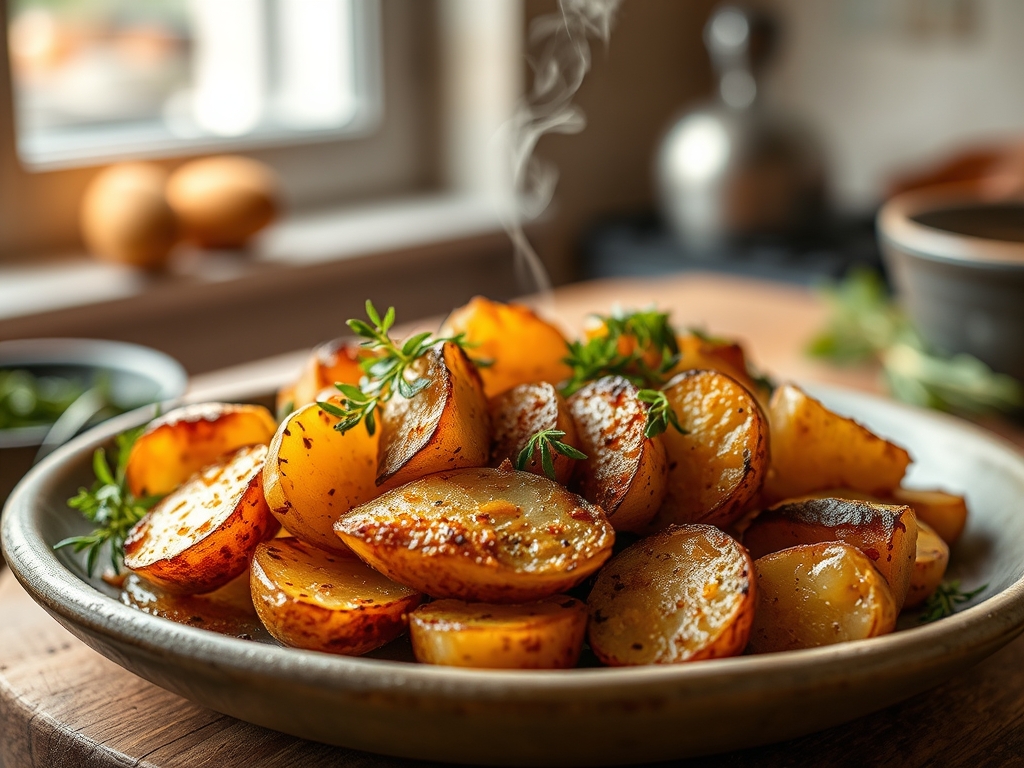
Picture the scene: your kitchen is a humid sanctuary of rosemary and clarified butter. The table is set; the candles are flickering; yet the true star remains the humble tuber. Mastering holiday potato recipes is less about following a list and more about manipulating starch molecules to achieve that perfect, golden crunch or a cloud-like, velvet puree.
We are moving beyond the grainy mashes of holidays past. Today, we are diving into the physics of the Russet and the Yukon Gold. Whether you are aiming for a crisp Fondant or a layered Gratin, the secret lies in heat management and moisture control. Grab your apron and your favorite heavy-bottomed skillet; we are about to elevate your side dish game from basic to breathtaking with six distinct, elegant variations that will have your guests asking for your secret technique before the first course is even finished.
The Gathers:
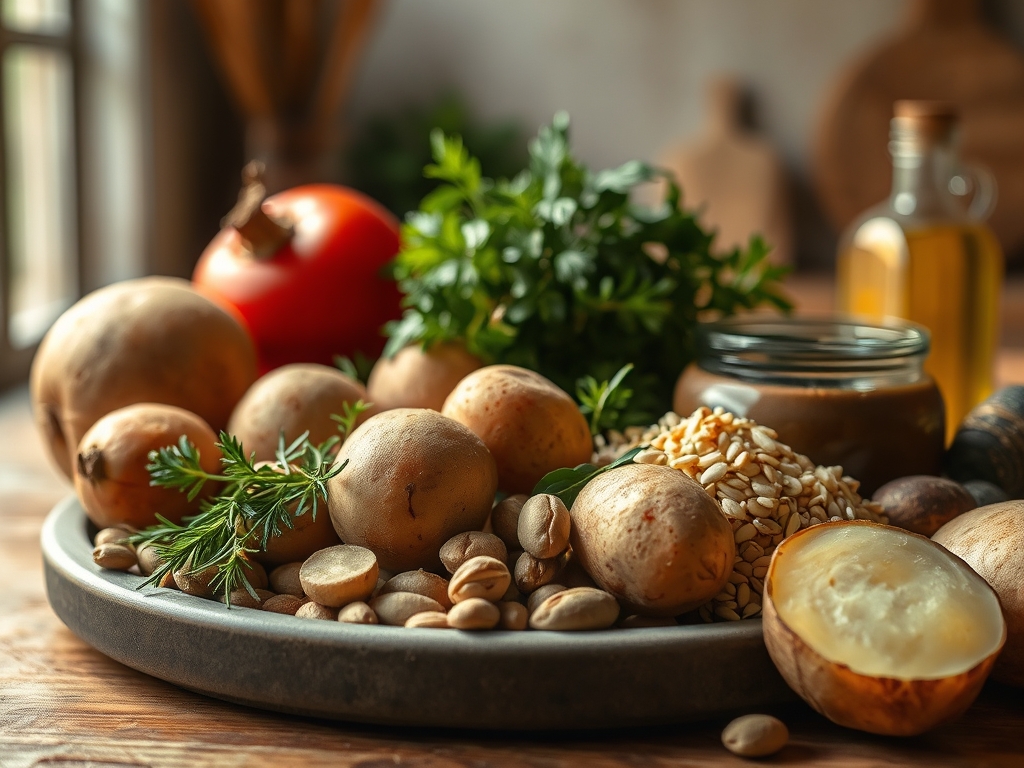
To execute these holiday potato recipes with precision, your mise-en-place must be flawless. Start with your star players: high-starch Russets for fluffiness and waxy Yukon Golds for structural integrity. You will need a quart of heavy cream with at least 36 percent milkfat to ensure a stable emulsion. Fresh aromatics are non-negotiable; have bundles of thyme, rosemary, and sage ready to infuse your fats.
Technically speaking, the quality of your salt matters. Use Diamond Crystal kosher salt for its hollow flake structure, which allows for better adherence and even seasoning without over-salting. For fats, keep high-quality European butter and a bottle of neutral, high-smoke-point oil (like avocado or grapeseed) nearby.
Smart Substitutions:
If you are catering to a dairy-free crowd, do not reach for thin almond milk. Instead, use full-fat coconut milk or a cashew-based cream to maintain the viscous mouthfeel required for a rich gratin. For a piquant kick, swap traditional black pepper for white pepper; it provides a floral heat that blends invisibly into pale mashes. If you lack a traditional ricer, a sturdy tamis or a fine-mesh sieve will achieve that professional, lump-free texture.
The Clock:
Efficiency in a holiday kitchen is governed by what I call the "Chef's Flow." Total active prep for these six variations spans about 45 minutes, but the total time including roasting and resting is closer to two hours.
The strategy is to stagger your thermal loads. Start with the slow-roasting elements, like the Confit or the Gratin, which require long, low-temperature exposure to break down complex starches. While those are in the oven, focus on your stovetop tasks: peeling, dicing, and boiling. Use a digital scale to ensure uniform sizing; this ensures every piece reaches the "fork-tender" stage at the exact same moment. Remember that potatoes are excellent heat sinks. They can hold their temperature for a significant amount of time if kept in a covered saucier, allowing you to finish your proteins while the potatoes rest.
The Masterclass:
1. The Ultra-Velvet Mash
Peel and cube your Yukon Golds, then simmer them in heavily salted water until they yield to the slightest pressure. Pass the hot cubes through a ricer or tamis directly into a warm bowl. Use a silicone spatula to fold in cold, cubed butter one piece at a time.
Pro Tip: This technique utilizes emulsification. By adding cold butter to hot starch, you prevent the fat from "breaking" or separating into a greasy mess. The cold temperature allows the fat to incorporate slowly, coating each starch granule in a silky sheath.
2. The Crispy Fondant
Cut Russets into thick cylinders using a circular mold. Sear them in a heavy-bottomed skillet with high-smoke-point oil until a deep brown crust forms. Flip them, add butter and chicken stock halfway up the sides, and transfer the skillet to the oven.
Pro Tip: This relies on the Maillard reaction. The initial sear creates a complex flavor profile through the rearrangement of amino acids and sugars, while the subsequent braise in stock allows the interior to hydrate and soften without losing that crust.
3. The Hasselback Gratin
Slice potatoes thinly using a mandoline; be careful to keep them uniform. Stand them upright in a baking dish and pour over a mixture of infused cream and gruyere. Bake until the tops are shattered-glass crisp and the bottoms are tender.
Pro Tip: This maximizes surface area. Increasing the exposed edges allows for more moisture evaporation, which intensifies the flavor and creates multiple "crunch zones" that contrast with the creamy, lactic base.
4. The Duck Fat Roast
Parboil your potatoes for eight minutes, then drain and shake them vigorously in the pot to roughen the edges. Toss them in rendered duck fat and roast at high heat on a preheated baking sheet.
Pro Tip: Roughing the edges creates a starch slurry on the surface. When this slurry hits the hot duck fat, it dehydrates rapidly, forming a micro-textured crust that is significantly crunchier than a smooth-surfaced potato.
5. The Garlic Confit Fingerlings
Submerge halved fingerling potatoes in a bath of olive oil, smashed garlic cloves, and thyme. Cook at a very low temperature (around 250 degrees Fahrenheit) until they are buttery and translucent.
Pro Tip: This is a study in lipid infusion. Because the temperature remains low, the cell walls of the potato soften without bursting, allowing the garlic-scented oil to permeate the flesh without deep-frying the exterior.
6. The Smoked Paprika Smashed Potato
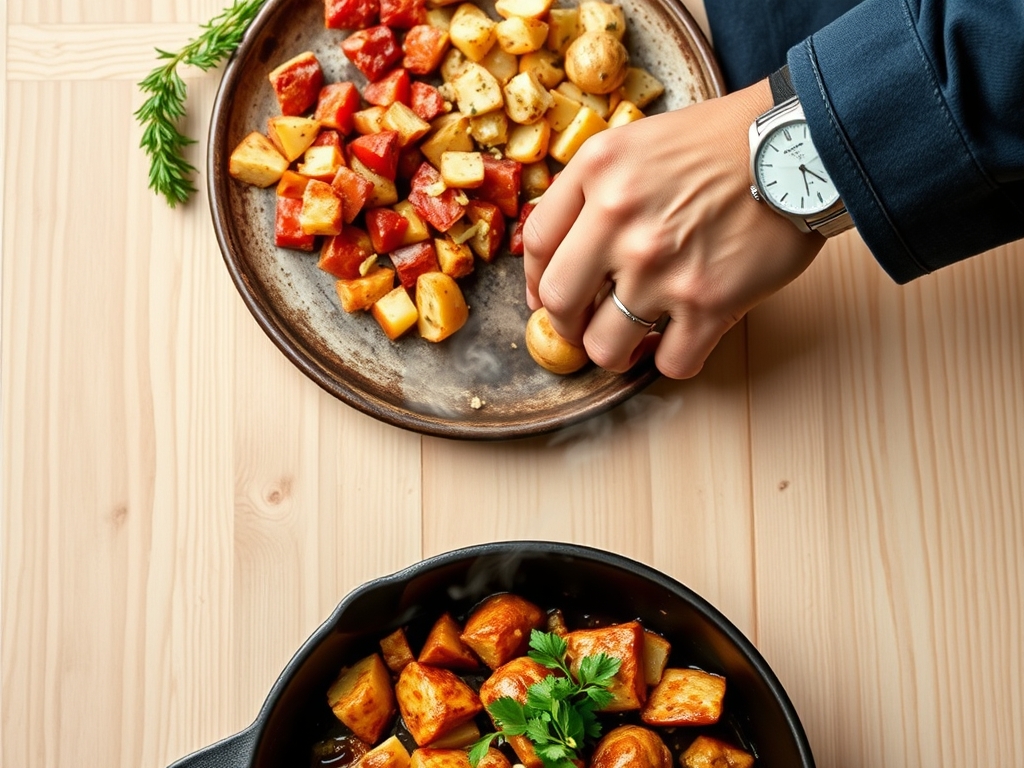
Boil small red potatoes whole, then use a heavy meat mallet or the bottom of a glass to flatten them. Drizzle with oil and a heavy dusting of piquant smoked paprika before a final high-heat blast in the oven.
Pro Tip: Watch for thermal carryover. Take them out just before they look "perfect." The residual heat trapped in the dense centers will continue to crisp the skins for several minutes after they leave the oven.
The Deep Dive:
When we look at the macro nutrition of these holiday potato recipes, we are primarily dealing with complex carbohydrates and potassium. While the added fats increase the caloric density, potatoes themselves are surprisingly nutrient-dense. To keep things balanced, ensure you are using high-quality fats that provide satiety.
Dietary Swaps:
For a Keto-friendly alternative, swap half the potatoes for cauliflower florets in the mash; the flavor profile remains similar when heavily seasoned. To make any of these recipes vegan, use a high-quality vegan butter substitute and replace heavy cream with cashew cream or a "no-chicken" vegetable broth. All these recipes are naturally gluten-free, provided you do not use flour as a thickener.
The Fix-It:
- Gummy Mash: This happens when you overwork the starch. If it turns gluey, do not keep stirring. Spread it in a dish, top with cheese, and bake it into a casserole to disguise the texture.
- Burnt Bottoms: If your gratin is browning too fast, slide an empty baking sheet on the rack below it to deflect the direct radiant heat.
- Soggy Roast Potatoes: This is caused by overcrowding. If the potatoes are too close, they steam instead of fry. Use two pans to allow for proper airflow.
Meal Prep & Reheating:
Potatoes are notorious for changing texture when cold due to starch retrogradation. To reheat and maintain "day-one" quality, avoid the microwave. For mashes, reheat in a saucier over low heat with a splash of fresh cream to re-emulsify the fats. For roasted varieties, a quick five-minute flash in a 400-degree oven or air fryer will restore the crispness.
The Wrap-Up:
Bringing these holiday potato recipes to life is the ultimate gift to your guests. By understanding the science of the starch and the behavior of fats under heat, you have transformed a pantry staple into a gourmet centerpiece. Remember to trust your tools; use your microplane for fresh nutmeg and your tongs for precise placement. Cooking is a blend of chemistry and heart, so do not be afraid to taste as you go. Your table is ready, your technique is solid, and those potatoes are going to be the talk of the season.
The Kitchen Table:
Which potato is best for holiday recipes?
Yukon Golds are the gold standard for versatility. They possess a medium starch content that allows them to hold their shape in a gratin while still providing a creamy, buttery texture when mashed or roasted.
How do I prevent potatoes from turning brown?
Prevent enzymatic browning by submerging peeled potatoes in cold water. This blocks oxygen from reaching the surface. For extra protection, add a squeeze of lemon juice or a splash of vinegar to the water to lower the pH.
Can I make holiday potatoes ahead of time?
Yes, you can parboil and store them in the fridge for up to 24 hours. For mashes, prepare them fully and reheat slowly with extra liquid. For roasted styles, do the final crisping right before serving.
Why are my mashed potatoes lumpy?
Lumps occur when potatoes are unevenly cooked or not processed while hot. Always start with cold water for even cooking and use a ricer or tamis while the potatoes are steaming to break down every cell effectively.