
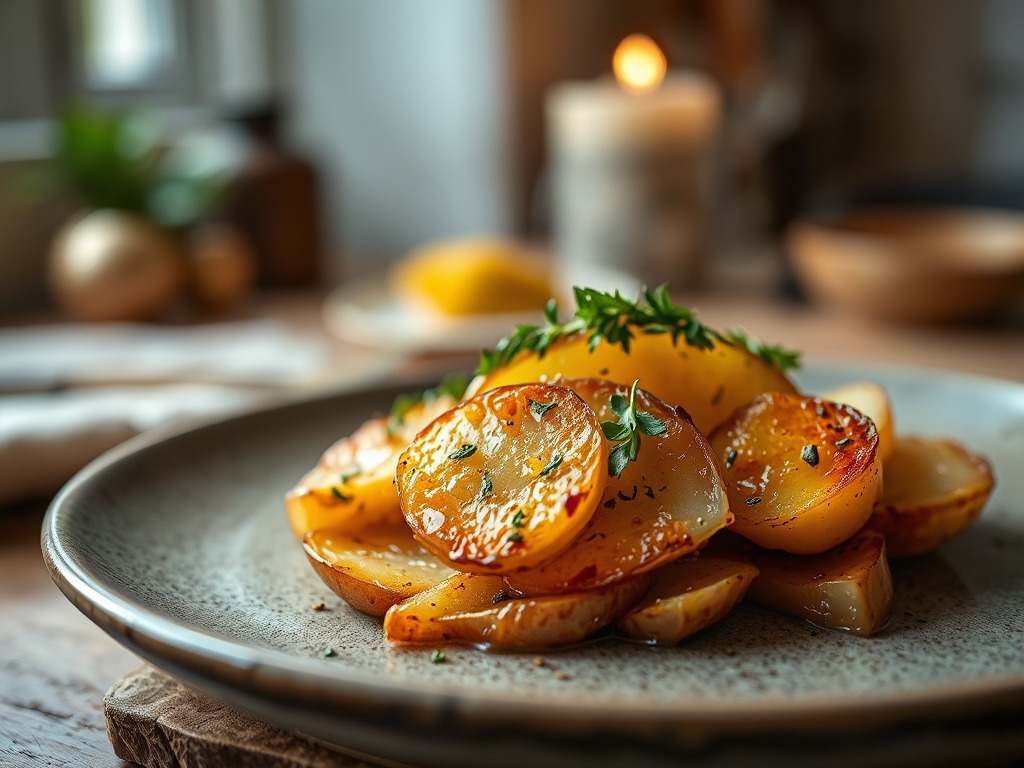
Imagine a kitchen filled with the earthy, grounding scent of roasting tubers mingled with fresh rosemary. Most people assume that weight management means saying goodbye to spuds; however, my favorite low calories potato recipes prove that you can have your starch and eat it too. It is all about mastering the starch to fiber ratio for maximum satisfaction.
The humble potato is often unfairly maligned in the fitness world. In reality, it boasts a higher satiety index than almost any other carbohydrate. By leveraging specific cooking techniques like parboiling and air-frying, we can create eight distinct, hearty meals that clock in under four hundred calories. We are talking about creamy leek and potato soup that uses zero heavy cream; crispy salt and vinegar wedges; and even a Mediterranean potato hash that feels like a cheat meal. This is about working with the molecular structure of the potato to ensure every bite is as nutritionally dense as it is delicious.
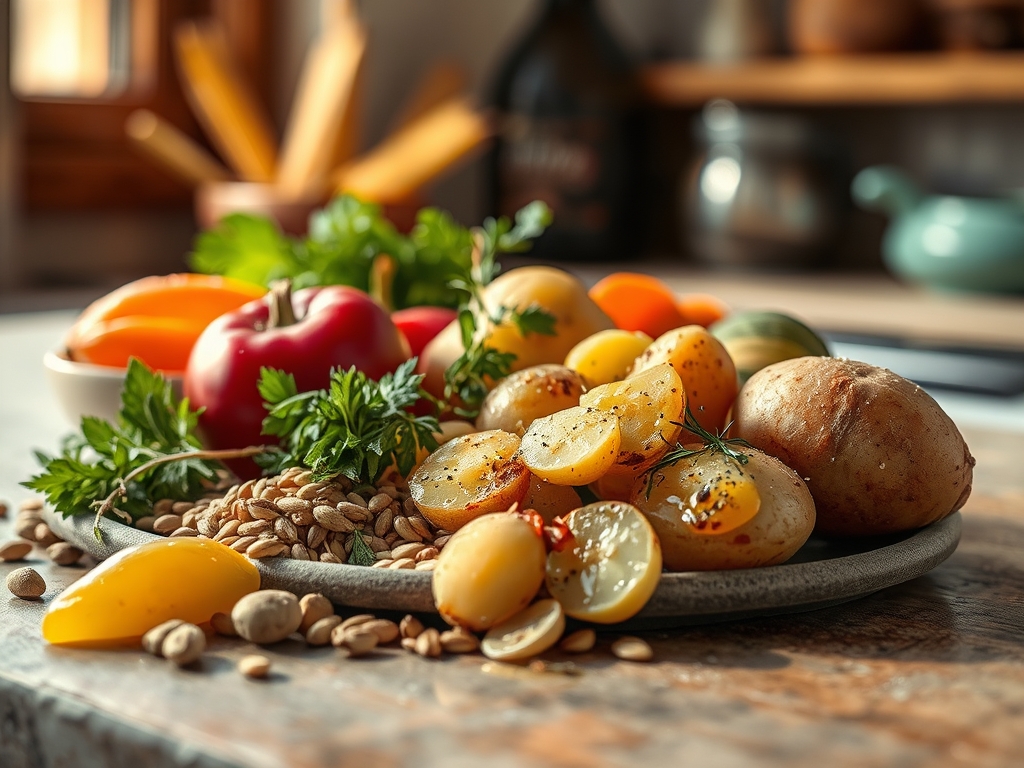
The Gathers:
To execute these low calories potato recipes with precision, your mise-en-place must be immaculate. Start with your choice of tuber. For soups and mashes, reach for Yukon Golds; their high starch content creates a naturally viscous texture without the need for added fats. For roasting or salads, the waxy Red Bliss is superior because it maintains its structural integrity after being subjected to high heat.
You will need a digital scale to ensure your portions remain within the low-calorie threshold. Precision is the difference between a 300-calorie lunch and a 600-calorie surprise. Gather high-impact aromatics: fresh cloves of garlic, shallots, and piquant lemons. Instead of heavy oils, we use a mister to apply a thin, even layer of avocado oil. This allows for the Maillard reaction (that golden-brown crust we crave) without drowning the vegetables in lipids.
Smart Substitutions are your secret weapon. Replace sour cream with non-fat Greek yogurt to add protein and a sharp tang. Use nutritional yeast to provide a savory, cheesy profile while keeping the fat content negligible. Always keep a bottle of high-quality vegetable stock on hand to deglaze your heavy-bottomed skillet, which adds depth of flavor through caramelization rather than butter.
The Clock:
Efficiency in the kitchen is about the Chef's Flow. This is the art of overlapping tasks so that no second is wasted. For these eight meals, the active prep time is roughly twenty minutes, with a total cook time of forty minutes.
Start by preheating your oven or air fryer. While the heating element reaches the target temperature, use a bench scraper to organize your chopped aromatics. If a recipe requires boiling, get your water on the stove immediately. By the time you finish peeling and dicing with your chef's knife, the water will be at a rolling boil. This synchronized movement ensures that you are never standing idle, allowing you to transition from raw ingredients to a plated masterpiece in under an hour.
The Masterclass:
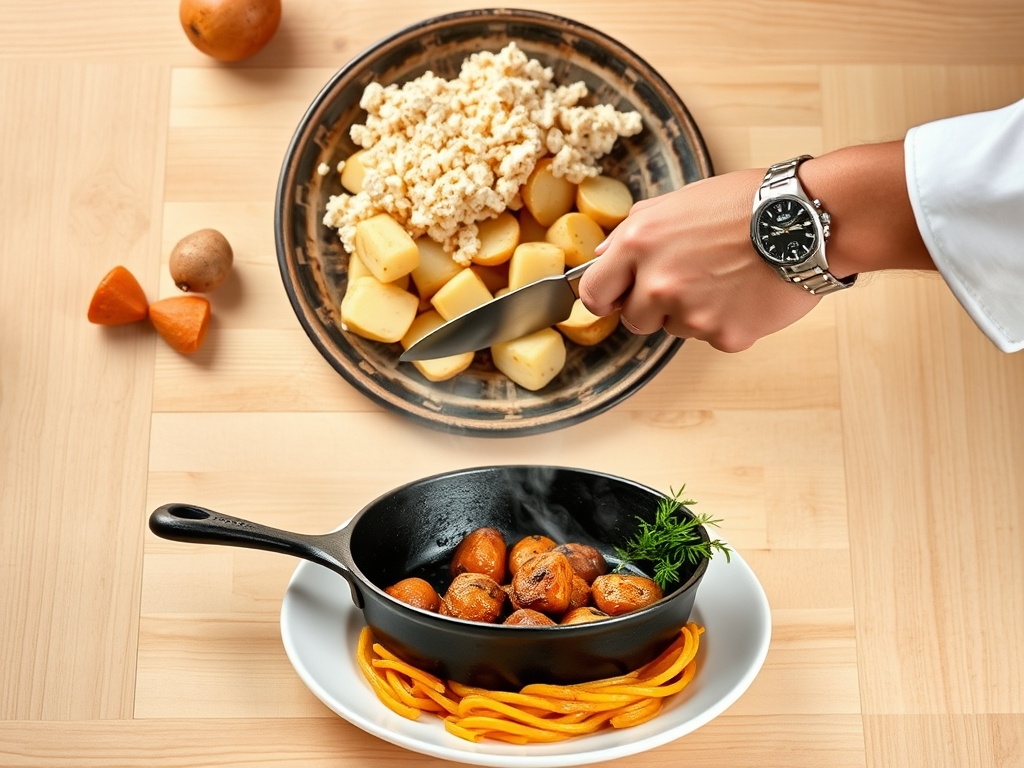
1. The Precision Dice and Soak
Begin by dicing your potatoes into uniform half-inch cubes. Uniformity is not just for aesthetics; it ensures that every piece cooks at the same rate, preventing a mix of mushy and raw centers. Submerge the cubes in cold water for ten minutes.
Pro Tip: This soak removes excess surface starch. Reducing surface starch prevents the potatoes from sticking together in the pan and encourages a crispier exterior during the roasting phase.
2. The Parboil Technique
Place the potatoes in a saucier with cold salted water and bring to a simmer. Cook until the exterior is just tender but the core remains firm. Drain thoroughly and let them steam-dry in the colander for three minutes.
Pro Tip: This is known as gelatinization. By partially cooking the starch granules before roasting, you create a fuzzy surface area that crisps up beautifully with minimal oil.
3. The Aeration Shake
Transfer the parboiled potatoes back into the pot, cover with a lid, and shake vigorously. You want the edges to look slightly frayed and mashed.
Pro Tip: Shaking creates more surface area. This increased surface area allows for more contact with the hot air, leading to a crunchier texture via the Maillard reaction.
4. The Infusion Roast
Spread the potatoes on a parchment-lined sheet pan. Use your mister to apply oil and toss with minced garlic and herbs. Roast at 425 degrees Fahrenheit, turning once with tongs halfway through.
Pro Tip: High heat is essential for moisture evaporation. If the oven is too cool, the potatoes will steam rather than roast, resulting in a leathery texture.
5. The Emulsified Dressing
While the potatoes roast, whisk together lemon juice, Dijon mustard, and a splash of stock. This creates a light, piquant dressing that coats the potatoes without the heavy calories of mayonnaise.
Pro Tip: Use a microplane to zest the lemon directly into the dressing. The essential oils in the zest provide a massive flavor punch with zero caloric impact.
6. The Final Assembly
Combine the roasted potatoes with fresh greens, lean proteins like grilled chicken or chickpeas, and your citrus dressing. Toss gently to avoid breaking the delicate tubers.
Pro Tip: Residual heat will slightly wilt the greens. This thermal carryover helps the flavors meld together, creating a cohesive dish rather than a disjointed salad.
The Deep Dive:
Each of these meals averages 350 calories, with 8 grams of fiber and 10 grams of protein. To keep them Vegan, simply ensure your stock is vegetable-based and swap honey for agave in dressings. For a Keto twist, you would need to swap potatoes for cauliflower; however, for these specific recipes, we are focusing on the resistant starch benefits of the potato.
The Fix-It:
- Soggy Potatoes: Usually caused by overcrowding the pan. Ensure there is at least a half-inch of space between each piece to allow steam to escape.
- Burnt Garlic: If your garlic turns bitter, you added it too early. Add minced aromatics during the last ten minutes of roasting.
- Bland Interior: Potatoes need salt at the beginning. Always salt your parboiling water heavily; it is your only chance to season the potato from the inside out.
Meal Prep: To maintain "day-one" quality, reheat your potatoes in an air fryer or a dry skillet. Avoid the microwave, as it agitates water molecules and turns the starch gummy.
The Wrap-Up:
Mastering low calories potato recipes is a game changer for anyone who loves hearty, soul-warming food but wants to stay on track with their goals. By understanding the science of starch and utilizing the right tools, you can transform a simple root vegetable into a gourmet experience. Remember, the kitchen is your laboratory; do not be afraid to experiment with different herbs and spices to find your perfect flavor profile. Now, grab your digital scale and let's get cooking!
The Kitchen Table:
Are potatoes actually good for weight loss?
Yes. Potatoes have a high satiety index, meaning they keep you full longer. When prepared using low-fat methods like roasting or boiling, they are a nutrient-dense, low-calorie option for any balanced diet.
Which potato is best for low-calorie roasting?
Yukon Gold potatoes are ideal. Their naturally buttery texture and yellow flesh provide a rich mouthfeel without needing excess butter or oil, making them perfect for calorie-conscious roasting and mashing.
How do I make potatoes crispy without deep frying?
The secret is parboiling and then "roughing up" the edges. This creates a starchy coating that crisps beautifully in a hot oven or air fryer with just a light mist of oil.
Can I eat potato skins on a diet?
Absolutely. The skin contains the majority of the potato's fiber and many essential minerals. Keeping the skin on increases the nutritional density and helps regulate blood sugar levels after eating.