
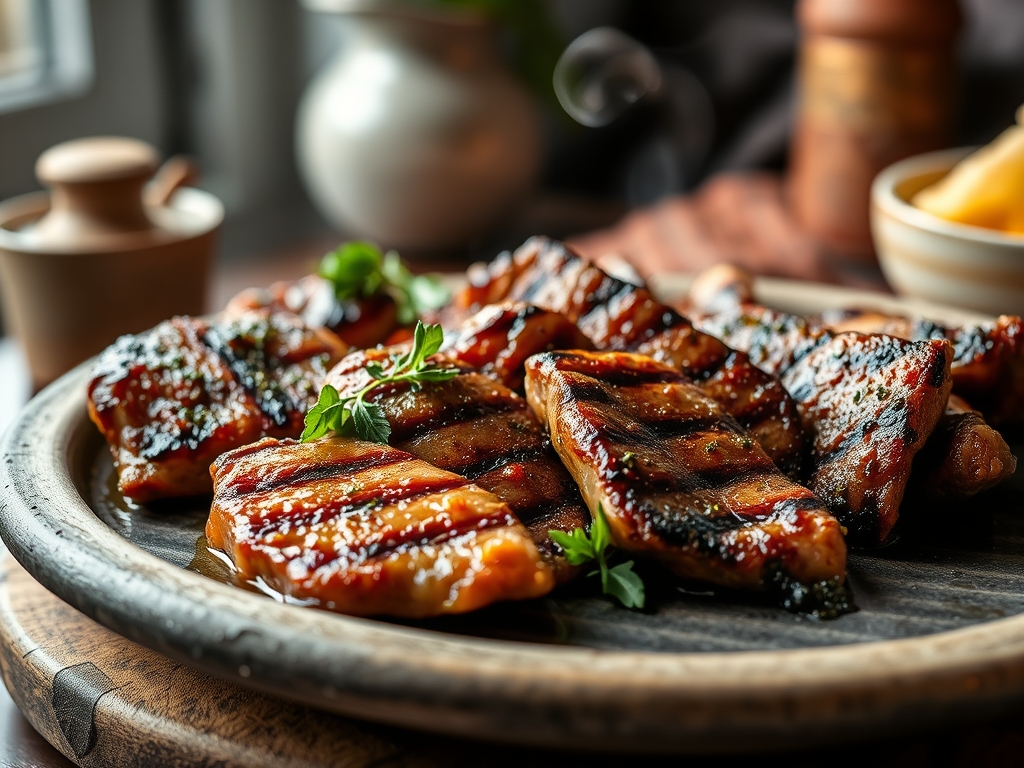
Close your eyes and listen to that rhythmic, aggressive hiss as cold protein meets a scorching cast iron grate. That sound is the symphony of the Maillard reaction; it is the chemical transformation of amino acids and reducing sugars into a complex crust of savory bliss. When we talk about grilled beef recipes, we are not just discussing dinner. We are discussing the mastery of thermodynamics and the art of moisture retention. Most home cooks treat a steak like a chore, but you and I know better. We are chasing that perfect edge to edge pink center and a crust so dark it borders on obsidian. It requires more than just heat; it requires a deep understanding of cellular structure and the patience of a saint. Whether you are working with a lean filet or a marble heavy ribeye, the goal remains the same: total control over the fire.
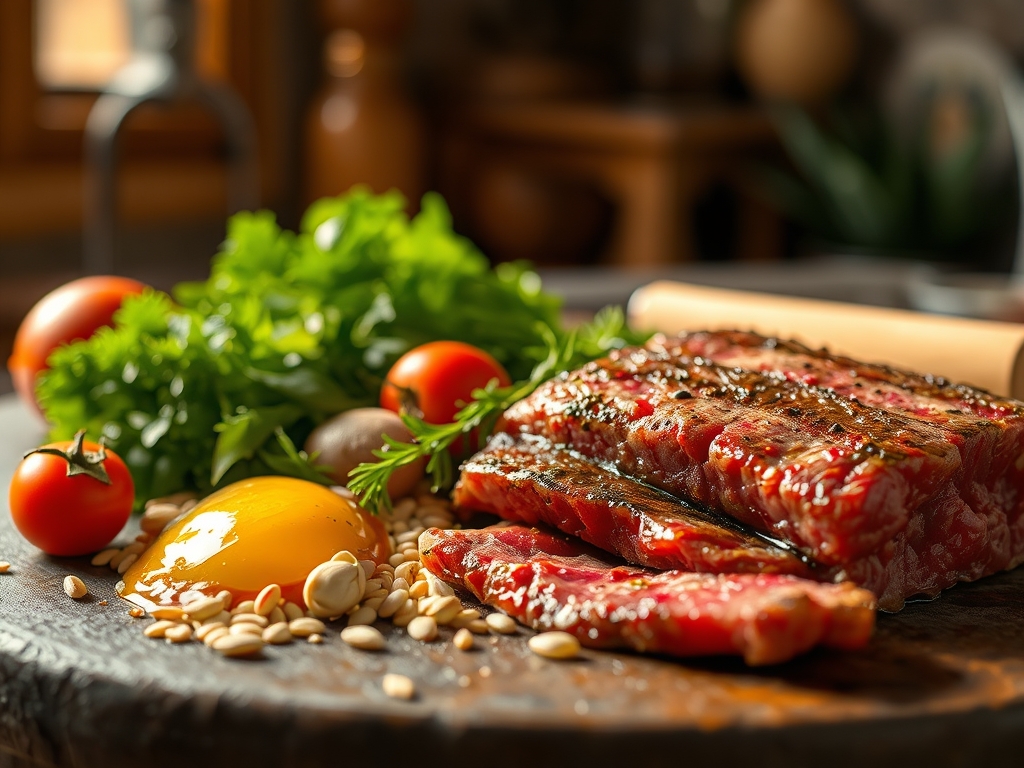
The Gathers:
To execute these grilled beef recipes with precision, your mise en place must be immaculate. Start with your protein. Look for subprimal cuts with high intramuscular fat; this is the white webbing that will render into liquid gold during the cook. You will need a high quality flake salt, such as Maldon, to provide a piquant crunch without over salting the interior. Freshly cracked peppercorns are non negotiable; use a heavy duty pepper mill to ensure a coarse grind that won't burn into bitter dust.
For the aromatics, gather fresh rosemary and thyme sprigs. These contain essential oils that infuse the meat when basted. You will also need a high smoke point oil like avocado or grapeseed oil; extra virgin olive oil will oxidize and turn acrid at these temperatures. Grab your digital scale to weigh your portions and a microplane for zesting citrus or grating garlic into your finishing butter.
Smart Substitutions: If you cannot find a thick cut ribeye, a picanha or a tri tip offers a similar fat to muscle ratio. For a dairy free finishing touch, replace the butter with a viscous, cold pressed walnut oil or a tallow based confit. If you are avoiding nightshades, swap the traditional chili rub for a blend of toasted cumin and smoked sea salt to mimic that charred, earthy depth.
The Clock:
The "Chef's Flow" is all about managing the thermal momentum. You cannot rush a masterpiece. Your total active time will be approximately 20 minutes, but the passive time is where the magic happens.
- Temper (45 Minutes): This is non negotiable. You must allow the beef to reach room temperature to ensure even heat penetration.
- The Sear (6 to 8 Minutes): This is the high intensity phase where we build the crust.
- The Rest (10 Minutes): This allows the muscle fibers to relax and reabsorb the internal juices.
If you skip the rest, you are essentially bleeding your steak out on the cutting board. Total time from fridge to fork is roughly 75 minutes. Plan your side dishes accordingly so they finish exactly when the steak has finished its rest.
The Masterclass:
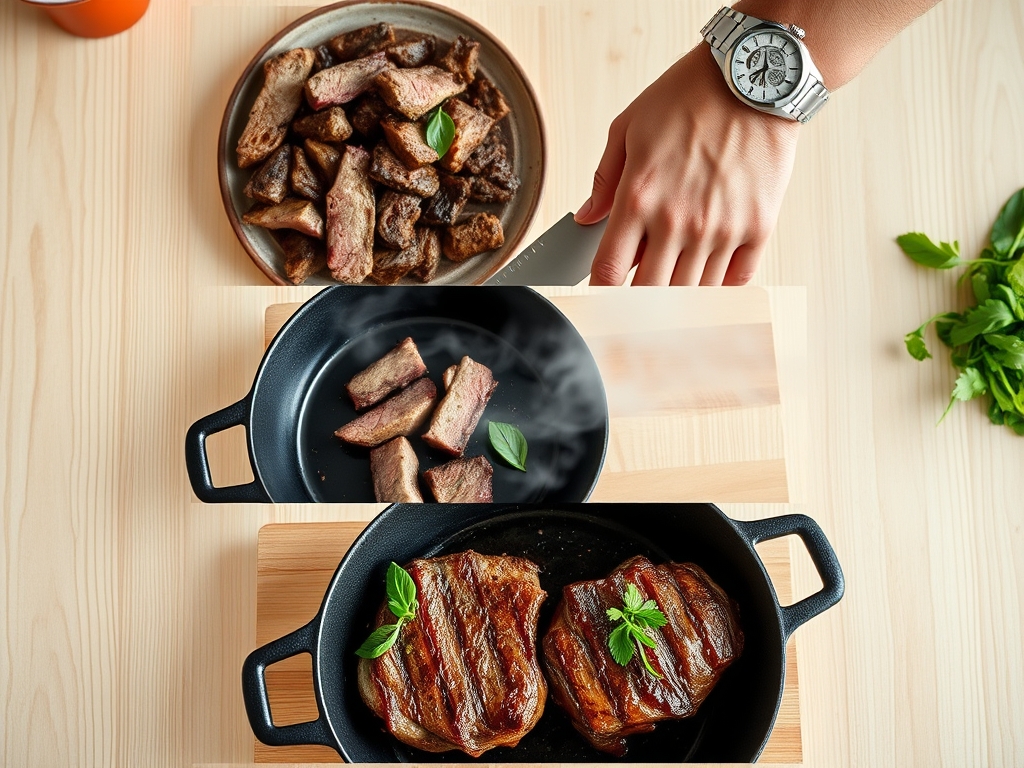
1. The Dry Brine Technique
Generously coat your beef in kosher salt at least 40 minutes before grilling. This creates a brine that is initially drawn out of the meat, then reabsorbed, deeply seasoning the muscle fibers.
Pro Tip: This process utilizes osmosis to break down tight protein strands, making the final result significantly more tender while ensuring a bone dry surface for a better sear.
2. Achieving the Perfect Temper
Remove your steak from the refrigerator and pat it dry with paper towels. A wet steak will steam rather than sear, ruining your crust.
Pro Tip: Surface moisture is the enemy of the Maillard reaction. By drying the exterior, you ensure that the thermal energy goes directly into browning rather than evaporating water.
3. The High Heat Ignition
Preheat your grill or heavy bottomed skillet until it is screaming hot. Use your infrared thermometer to ensure the surface has reached at least 450 degrees Fahrenheit.
Pro Tip: High heat triggers enzymatic browning, creating hundreds of different flavor compounds that give grilled beef its distinctive, savory aroma.
4. The Constant Flip Method
Contrary to old school myths, flipping your steak every 30 seconds helps it cook faster and more evenly. Use professional tongs to maintain a firm grip without piercing the meat.
Pro Tip: This technique mimics a rotisserie effect, preventing heat from building up too much on one side and creating a more uniform internal temperature.
5. Butter Basting and Aromatics
During the final two minutes of cooking, add a knob of butter, crushed garlic, and herbs to the pan. Use a saucier or a large spoon to continuously bathe the beef in the foaming fat.
Pro Tip: The butter acts as a thermal bridge, carrying the flavors of the aromatics into every crevice of the crust while adding a luxurious, velvety mouthfeel.
6. Monitoring Internal Temps
Use a high quality digital probe thermometer to check the internal temperature. Pull the meat when it is 5 degrees below your target.
Pro Tip: This accounts for thermal carryover; the internal temperature will continue to rise even after the meat is removed from the heat source.
7. The Sacred Rest
Place the steak on a wire rack over a sheet pan. Do not tent it tightly with foil, as this will steam the crust and make it soggy.
Pro Tip: Resting allows the viscous juices to redistribute. If you cut too early, the pressure from the tightened proteins will push all the moisture out.
8. Slicing Against the Grain
Identify the direction of the muscle fibers and slice perpendicular to them using a sharp chef's knife or a bench scraper for stability.
Pro Tip: Shortening the muscle fibers mechanically makes the meat easier to chew, providing a much more tender eating experience.
9. The Acid Finish
Before serving, hit the steak with a squeeze of lemon or a drizzle of high quality balsamic vinegar.
Pro Tip: Acidity cuts through the heavy fats and brightens the overall flavor profile, balancing the richness of the rendered tallow.
The Deep Dive:
From a macro perspective, grilled beef is a powerhouse of bioavailable protein, zinc, and B vitamins. A standard 6 ounce serving provides roughly 42 grams of protein and 0 grams of carbohydrates, making it a staple for keto and paleo lifestyles. For a vegan alternative, use thick "steaks" of cauliflower or lion's mane mushrooms, though you will need to increase the fats significantly to mimic the satiety of beef.
The Fix-It:
- Gray Banding: If you see a thick gray ring under the crust, your heat was too low or you didn't flip enough. Increase the temperature next time.
- Flare Ups: If the grill catches fire, move the meat to a "cool zone" immediately. Use a lid to starve the fire of oxygen.
- Toughness: This usually happens if the meat was cooked straight from the fridge. Ensure a full 45 minute temper.
Meal Prep: To reheat without losing quality, use the "Low and Slow" method. Place the steak in a 250 degree oven until it hits 110 degrees internally, then flash sear it in a hot pan for 30 seconds. This prevents the rubbery texture associated with microwaves.
The Wrap-Up:
You are now armed with the chemical and physical knowledge to dominate the grill. Remember, great grilled beef recipes are about the relationship between high heat and patience. Use your tools; trust your thermometer, respect the rest, and never settle for a mediocre crust. Now, get out there, fire up those coals, and show that protein who is boss. Your kitchen is your laboratory, and tonight, the experiment is going to be delicious.
The Kitchen Table:
How do I get those perfect crosshatch grill marks?
Place your steak at a 45 degree angle to the grates. After two minutes, rotate it 90 degrees. This creates the classic diamond pattern while maximizing the surface area of the charred crust for better flavor.
Why is my steak always dry inside?
You are likely overcooking it or skipping the rest period. Always pull the meat 5 degrees early to account for carryover heat. Resting for ten minutes allows the juices to settle back into the fibers.
Can I use frozen steaks for these recipes?
Yes, but you must thaw them completely in the refrigerator first. Cooking from frozen results in an uneven cook where the outside burns before the center even reaches a safe temperature. Always pat dry after thawing.
What is the best oil for grilling beef?
Choose an oil with a high smoke point, such as avocado oil or refined grapeseed oil. These can withstand temperatures over 400 degrees without breaking down or creating acrid, burnt flavors on your meat.