
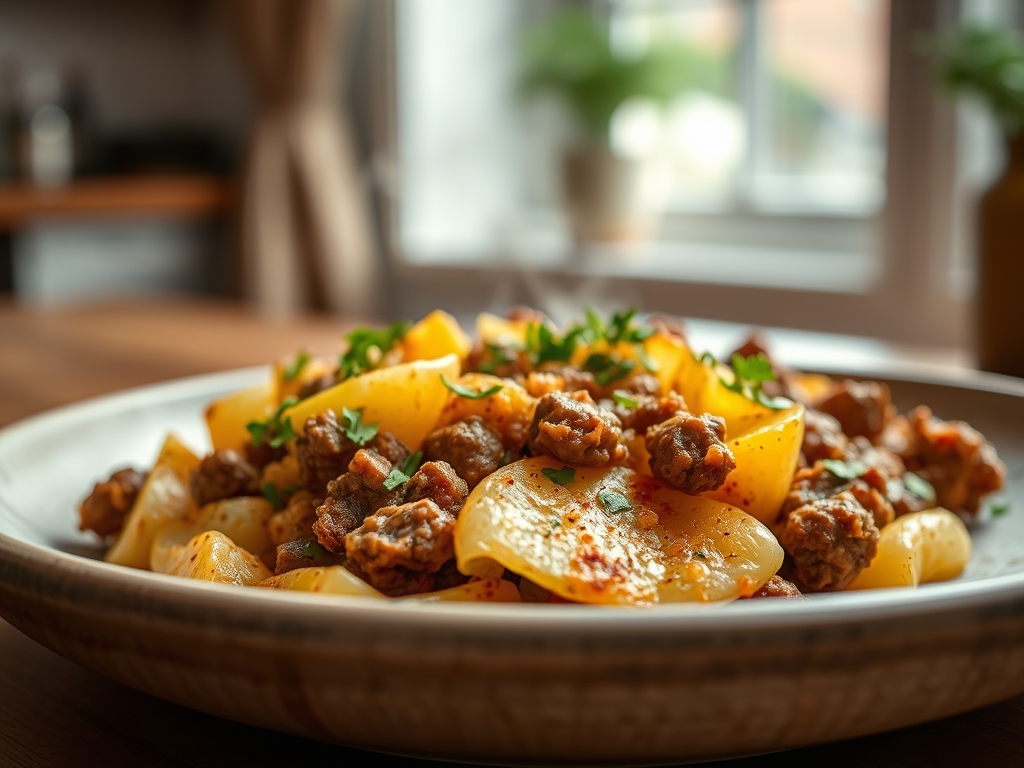
Picture a rainy Tuesday evening where the air feels heavy and the only thing that can save your mood is a bubbling, golden crust emerging from the oven. There is a primal comfort in the combination of starch and protein. When you explore potato casserole with ground beef recipes, you are not just making dinner; you are orchestrating a symphony of Maillard reactions and lipid emulsifications. It is the culinary equivalent of a weighted blanket. We are talking about layers of thinly sliced tubers bathed in a viscous cream sauce, punctuated by savory crumbles of perfectly seared beef. This is the ultimate "one-pan wonder" that bridges the gap between sophisticated French technique and the raw, unadulterated joy of a home-cooked meal. Whether you prefer a rustic smash or an elegant gratin style, the chemistry remains the same. We are aiming for that specific point where the potato starch gelatinizes, absorbing the rendered fats from the beef to create a mouthfeel that is both silky and substantial. Grab your favorite heavy-bottomed skillet and let us dive into the delicious physics of comfort food.
The Gathers:
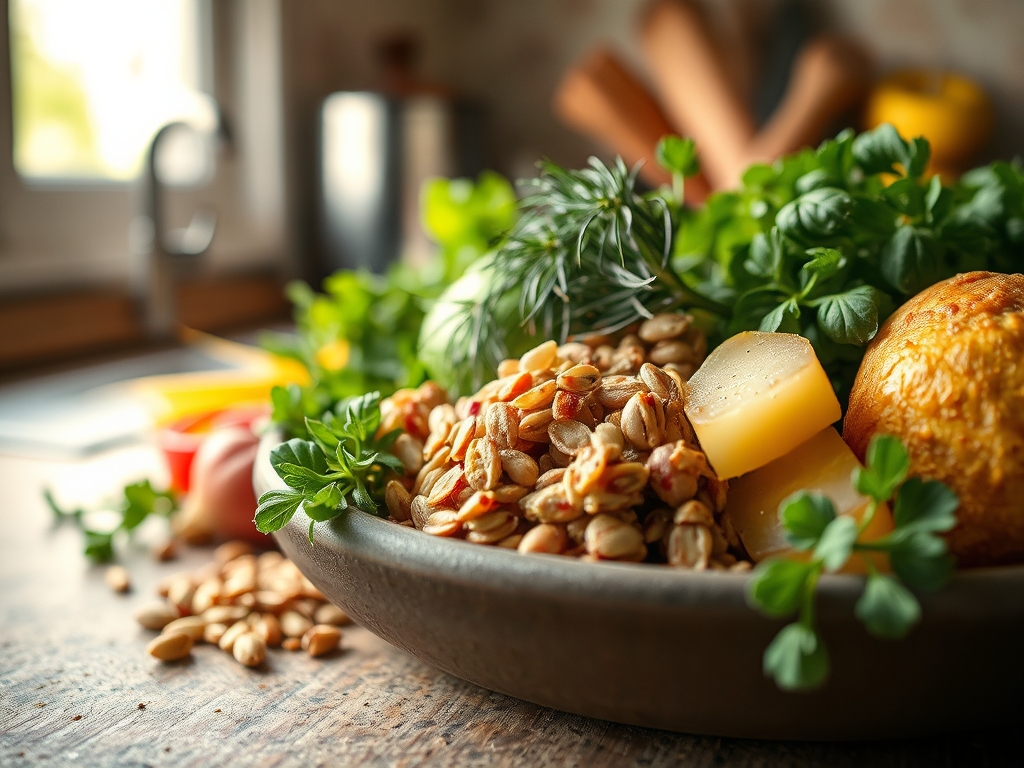
Before we ignite the burners, we must respect the mise-en-place. For the potatoes, opt for Yukon Golds; their medium starch content provides a creamy interior while maintaining structural integrity. Use a digital scale to ensure you have exactly three pounds. For the beef, a 80/20 lean-to-fat ratio is non-negotiable. That 20 percent fat is not just flavor; it is the vehicle for fat-soluble aromatics like garlic and thyme. You will also need a microplane to zest fresh nutmeg into your bechamel, as pre-ground spices lose their volatile oils too quickly.
Smart Substitutions are your best friend here. If you want to lighten the profile, swap half the heavy cream for a high-quality bone broth to infuse the dish with collagen without the extra lipids. For a piquant kick, replace standard cheddar with a sharp Gruyere or an aged Manchego. If you are avoiding nightshades, thinly sliced parsnips offer a similar earthy sweetness and a lower glycemic index. Always keep a bench scraper nearby to clear your station; a clean workspace leads to a focused palate.
The Clock
Efficiency in the kitchen is about understanding the "Chef's Flow." Total active preparation time should clock in at 25 minutes, with a thermal transformation (baking) time of 45 to 55 minutes. While the oven preheats to 375 degrees Fahrenheit, you should be browning your meat and slicing your vegetables simultaneously. This overlap ensures that the residual heat from the beef begins to soften the potatoes the moment they meet in the baking dish. Always allow for a 10-minute "rest period" after the timer dings. This allows the proteins to set and the liquids to reabsorb, preventing a watery mess when you finally slice into your masterpiece.
The Masterclass
1. The Maillard Sear
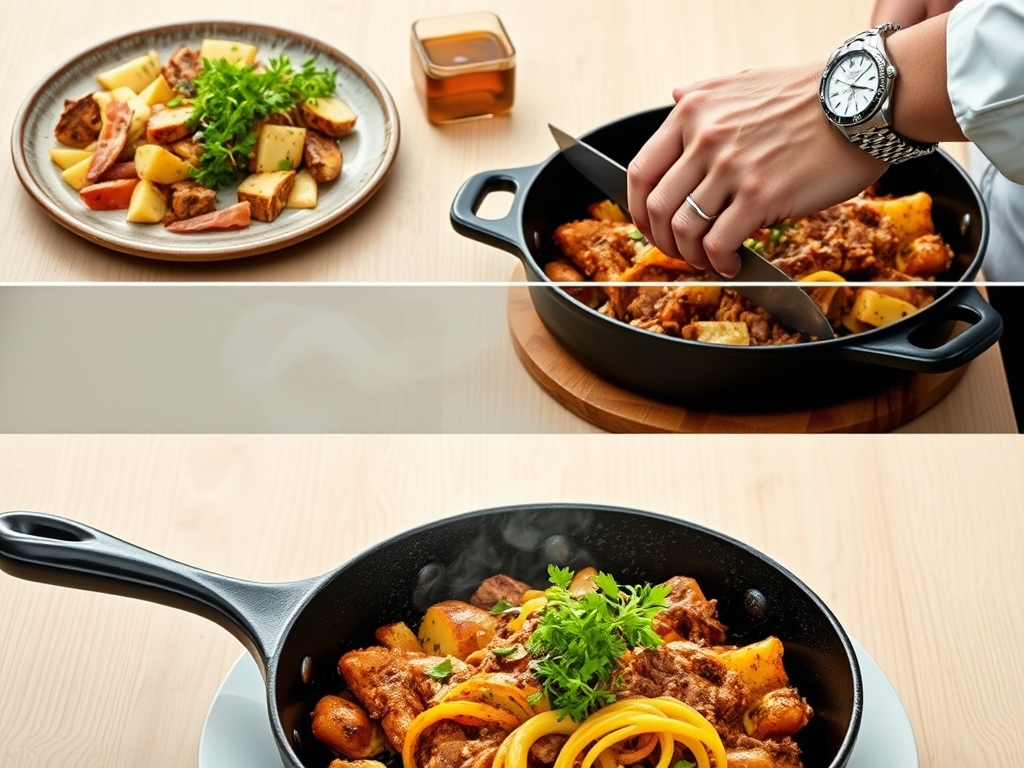
Start by heating your heavy-bottomed skillet over medium-high heat. Add the ground beef, breaking it apart with a stiff spatula. Do not crowd the pan; we want to render the fat and achieve a deep, mahogany crust. This is the Maillard reaction, where amino acids and reducing sugars create hundreds of different flavor compounds.
Pro Tip: Avoid stirring constantly. Let the meat sit undisturbed for three minutes to maximize surface contact and crust formation.
2. Deglaze and Infuse
Once the beef is browned, remove the excess fat but leave the "fond" (those brown bits) on the bottom of the pan. Add minced shallots and garlic, then deglaze the pan with a splash of dry white wine or beef stock. Use a saucier if you are making a separate roux-based sauce to ensure the whisk reaches every corner.
Pro Tip: Deglazing releases caramelized sugars back into the sauce, deepening the umami profile of the entire dish.
3. Precision Slicing
Using a mandoline or a very sharp chef's knife, slice your potatoes into 1/8-inch rounds. Consistency is vital for even heat distribution. If the slices vary in thickness, some will be mushy while others remain al dente.
Pro Tip: Do not soak the slices in water. You need the surface starch to act as a natural thickener for the sauce during the baking process.
4. The Emulsion Build
Layer your potatoes and beef in a buttered ceramic dish. Pour over your seasoned cream or bechamel. Ensure the liquid reaches every crevice to prevent dry pockets. Use a silicone spatula to press down firmly, removing any trapped air.
Pro Tip: High-fat dairy prevents curdling. The proteins in heavy cream are shielded by fat globules, making them more stable under high heat.
5. Thermal Finishing
Cover the dish with foil for the first 30 minutes to trap steam and soften the potatoes. Remove the foil for the final 20 minutes to aerate the surface and develop a crisp, golden-brown cheese crust.
Pro Tip: Watch for "carryover cooking." The internal temperature will continue to rise about 5 degrees after you remove it from the oven.
The Deep Dive
From a macro perspective, this dish is a powerhouse of energy. A standard serving provides roughly 35 grams of protein and 40 grams of complex carbohydrates. To make this Keto-friendly, simply swap the potatoes for cauliflower florets or sliced daikon radish. For a vegan version, use a cashew-based cream and plant-based crumbles, ensuring you add a dash of liquid smoke to replicate the depth of beef.
The "Fix-It" guide: If your casserole is too oily, you likely didn't drain the beef enough; next time, use a slotted spoon. If the potatoes are crunchy, your slices were too thick or the oven temperature was too high, causing the outside to cook before the inside. If the sauce "breaks" or looks curdled, your heat was too aggressive; try lowering the rack in the oven. For meal prep, reheat slices in an air fryer or oven rather than a microwave to maintain the structural integrity of the potato layers.
The Wrap-Up
Mastering potato casserole with ground beef recipes is a rite of passage for any home cook who values both science and soul. By focusing on the texture of your tubers and the quality of your sear, you transform humble ingredients into a gourmet experience. Remember, cooking is just delicious chemistry that you get to eat. Now, grab your tongs, check your oven light, and get ready to serve a meal that will have everyone asking for seconds.
The Kitchen Table
Can I use frozen hash browns instead of fresh potatoes?
Yes, but ensure they are fully thawed and patted dry. Frozen potatoes have higher moisture content, which can dilute your sauce. Increase the thickening agent in your cream base to compensate for the extra hydration.
Why did my cream sauce separate during baking?
This usually happens if you use low-fat milk or if the oven is too hot. High heat causes dairy proteins to clump. Use heavy cream or a stabilized roux-based sauce to maintain a smooth, viscous texture.
How do I prevent the beef from being greasy?
Always brown the beef separately in a heavy-bottomed skillet and drain the rendered fat before layering. You can also pat the cooked beef with paper towels to ensure only the flavor remains, not the excess grease.
What is the best way to reheat leftovers?
Reheat in a 350-degree oven covered with foil for 15 minutes. This preserves the moisture in the potatoes while preventing the beef from becoming rubbery. Avoid the microwave, as it can cause the dairy to separate and become oily.