
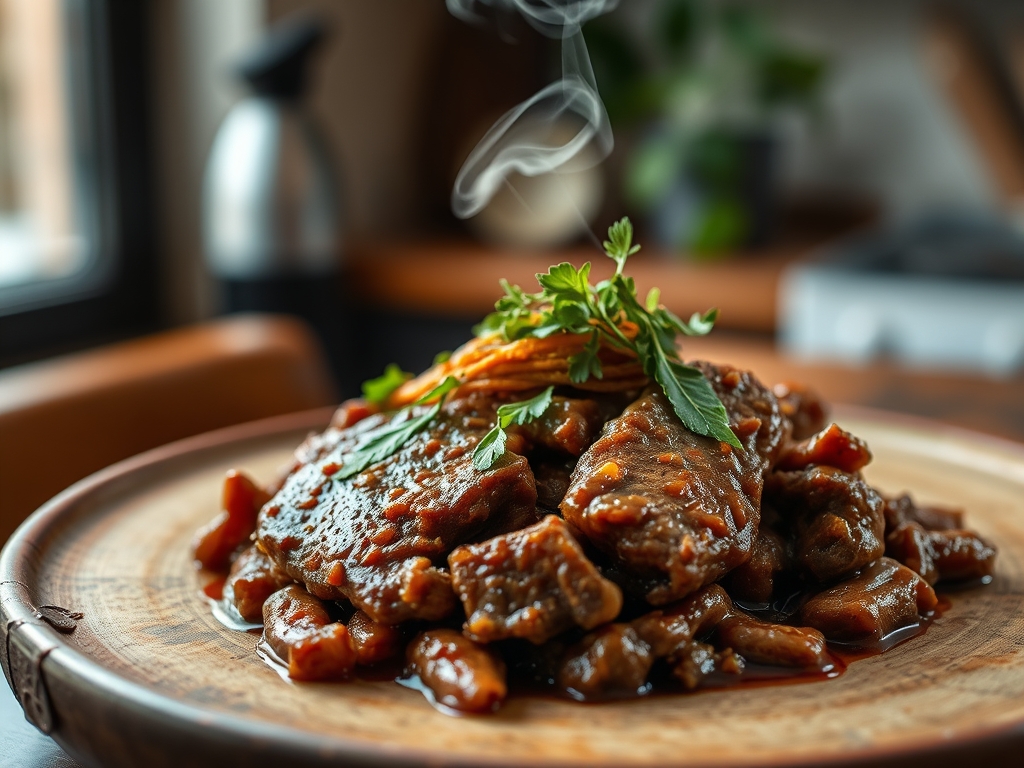
Imagine the sound of a heavy-bottomed skillet meeting a high-flame burner; that sharp, rhythmic hiss as cold protein hits searing cast iron. There is a specific, primal magic in the way fat renders into liquid gold, transforming humble gristle into a caramelized masterpiece. When you are hunting for the ultimate beef recipes mince, you are not just looking for a meal; you are looking for that perfect intersection of comfort and culinary precision. We have all been there, staring at a plastic-wrapped tray of ground chuck, wondering how to elevate it beyond the mundane. This is where we stop treating mince as a budget filler and start treating it as the versatile, flavor-absorbing powerhouse it truly is. Whether you are aiming for a silky Bolognese that clings to every noodle or a charred, crusty smash burger with a lacy edge, the secret lies in the chemistry of the sear. We are going to unlock the full potential of your kitchen, turning simple ingredients into high-density flavor bombs that will make your Friday night takeout look like a distant, bland memory.
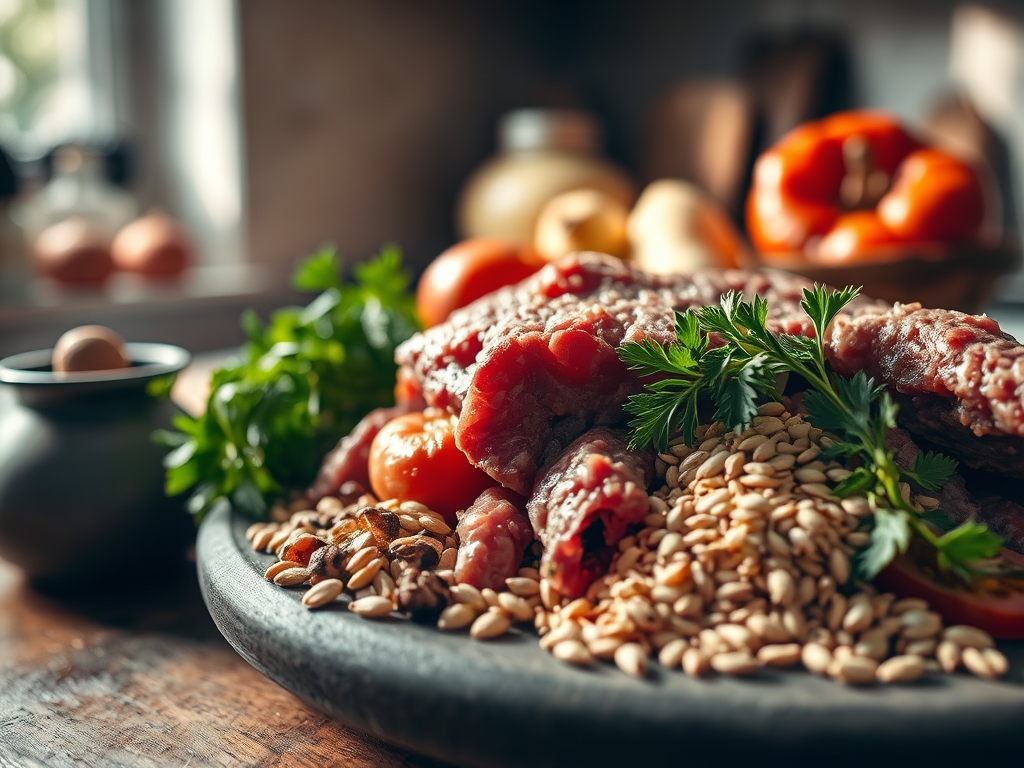
The Gathers:
To master these beef recipes mince, your mise-en-place must be as disciplined as a laboratory. We start with the star: high-quality ground beef. For most applications, an 80/20 lean-to-fat ratio is non-negotiable because fat is the primary carrier of volatile aromatic compounds. You will need a coarse sea salt to trigger osmotic pressure, drawing out moisture so the surface can dehydrate and brown effectively. Gather your aromatics: yellow onions for their high sugar content, garlic cloves to be pulverized with a microplane for maximum surface area, and fresh herbs like rosemary and thyme to infuse the rendering lipids.
Smart Substitutions: If you are looking to lighten the profile without sacrificing the viscous mouthfeel, swap 25 percent of the beef for finely minced cremini mushrooms. This adds a massive hit of umami via glutamic acid while reducing total saturated fat. For a piquant kick, replace standard black pepper with toasted Sichuan peppercorns to introduce a numbing, complex heat that cuts through the richness of the protein.
The Clock: Chef's Flow
Efficiency in the kitchen is about managing thermal energy and recovery times. For these ten variations, expect a preparation window of 15 to 20 minutes, with active cooking times ranging from 10 minutes for high-heat searing to 4 hours for low-and-slow braising. The "Chef's Flow" dictates that you should always prep your "Trinity" (onions, carrots, celery) first, as they require the longest time to sweat and soften. While the vegetables soften, use a digital scale to portion your meat, ensuring even cooking across the board. Never crowd the pan; adding too much cold meat at once will drop the temperature of your skillet, causing the beef to boil in its own juices rather than sear.
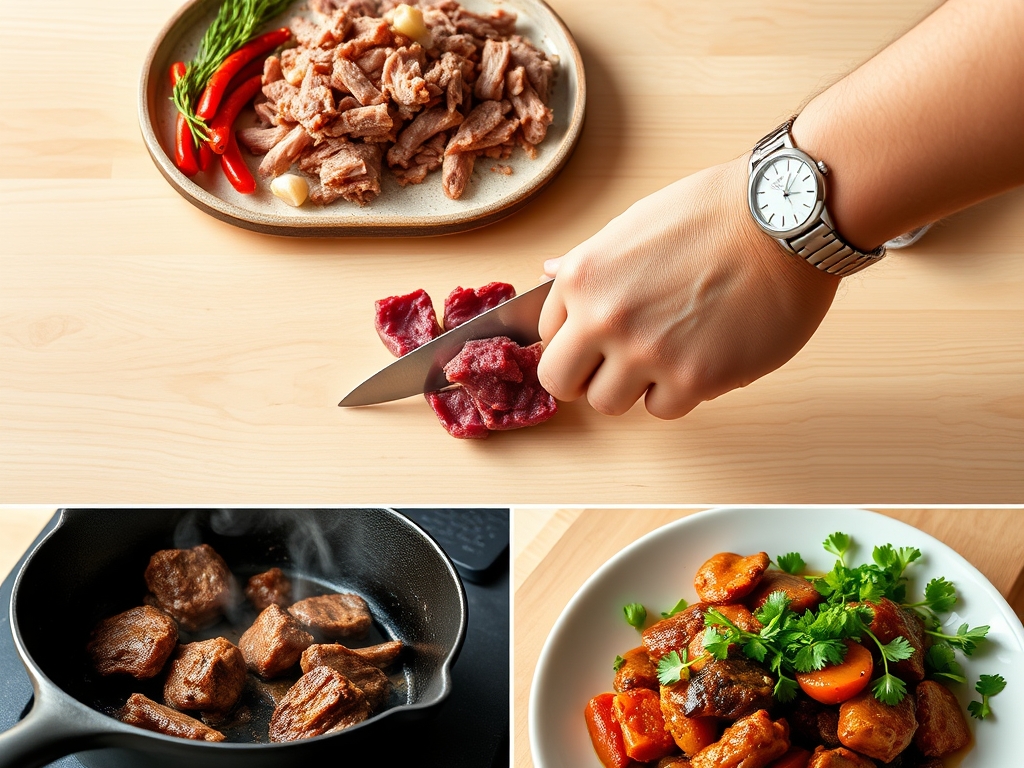
The Masterclass:
1. The High-Heat Sear
Place your heavy-bottomed skillet over high heat until it wisps with smoke. Add the mince in a single, flat layer. Do not touch it for at least three minutes. You are waiting for the Maillard reaction, a chemical dance between amino acids and reducing sugars that creates hundreds of different flavor compounds.
Pro Tip: This reaction only occurs effectively above 285 degrees Fahrenheit. Moving the meat too early prevents the crust from forming and results in a grey, steamed texture.
2. The Deglaze
Once the beef is browned and removed, you will see brown bits stuck to the pan. This is "fond," and it is concentrated flavor. Pour in a splash of dry red wine or beef stock and use a bench scraper or wooden spoon to lift those bits.
Pro Tip: Deglazing uses solvent extraction to pull flavorful compounds back into your sauce, creating a complex, layered profile that salt alone cannot achieve.
3. The Emulsification
When adding fats or dairy to your mince sauces, whisk vigorously. You want to create a stable emulsion where fat droplets are suspended in liquid, creating a velvety texture.
Pro Tip: Use a saucier with rounded edges for this step. The shape allows your whisk to reach every corner, preventing the sauce from breaking or separating.
4. The Aeration
For meatloaf or meatballs, never pack the meat tightly. Use your fingers to gently toss the ingredients together.
Pro Tip: Overworking the meat develops myosin, a protein that creates a rubbery, tough texture. Keeping the mixture loose allows heat to penetrate evenly and keeps the final product tender.
5. The Rest
Always allow your cooked mince dishes to sit for five minutes before serving.
Pro Tip: This accounts for thermal carryover. The internal temperature will continue to rise slightly, and the muscle fibers will relax, allowing them to reabsorb the flavorful juices.
The Deep Dive:
Macro Nutrition: Ground beef is a nutritional powerhouse, providing high-density heme iron, zinc, and B12. A standard 4-ounce serving of 80/20 beef contains roughly 20 grams of protein and 22 grams of fat. To optimize the macro profile, pair your beef recipes mince with complex carbohydrates like quinoa or roasted root vegetables to balance the glycemic load.
Dietary Swaps:
- Vegan: Use a pea-protein based crumble and add a teaspoon of liquid aminos to mimic the savory depth of beef.
- Keto: Replace breadcrumb fillers with crushed pork rinds or almond flour to keep the carb count near zero.
- GF: Ensure your Worcestershire sauce and stocks are certified gluten-free, as hidden thickeners are common.
The Fix-It:
- Too Greasy? Tilt the pan and use a bulb baster to remove excess fat, or toss in a piece of dry bread to soak up the surface oil before discarding.
- Too Dry? Stir in a tablespoon of cold butter or a splash of heavy cream at the very end to re-introduce moisture and fat.
- Too Salty? Add a splash of acid, like lemon juice or sherry vinegar. The acidity distracts the palate from the sodium overload.
Meal Prep Science: When reheating mince, avoid the microwave if possible. The uneven heating can cause "warmed-over flavor," which is the oxidation of lipids. Instead, reheat in a pan with a tablespoon of water or stock to create steam, which gently brings the meat back to temperature without drying it out.
The Wrap-Up:
Mastering beef recipes mince is about more than just following a list of steps; it is about understanding the physics of the kitchen. From the moment you hear that first sizzle to the final, glossy finish of a well-emulsified sauce, you are in control of a complex series of chemical transformations. You have the tools, the science, and the flair to turn a simple pound of beef into a culinary event. Now, grab your favorite skillet and go make something legendary. Your kitchen is your lab, and dinner is the ultimate reward.
The Kitchen Table:
How do I prevent my ground beef from turning grey?
Ensure your pan is screaming hot before adding the meat. Avoid overcrowding the skillet; cook in batches if necessary. This maintains high heat, allowing the Maillard reaction to brown the exterior before the interior juices escape and steam the protein.
What is the best way to drain fat from mince?
Use tongs to push the meat to one side of a tilted skillet. Use a spoon or a bulb baster to remove the liquid fat. Never pour grease down the drain; collect it in a jar for disposal or future cooking.
Can I freeze cooked beef mince meals?
Yes, cooked mince freezes exceptionally well. Ensure the meal is completely cooled to prevent ice crystal formation. Store in an airtight container for up to three months. Thaw in the refrigerator overnight to maintain the structural integrity of the protein.
Why does my meatloaf always fall apart?
You likely need more binding agents or more rest time. Ensure you use an egg and a starch, like breadcrumbs. Most importantly, let the meatloaf rest for ten minutes after baking so the proteins can firm up before slicing.