
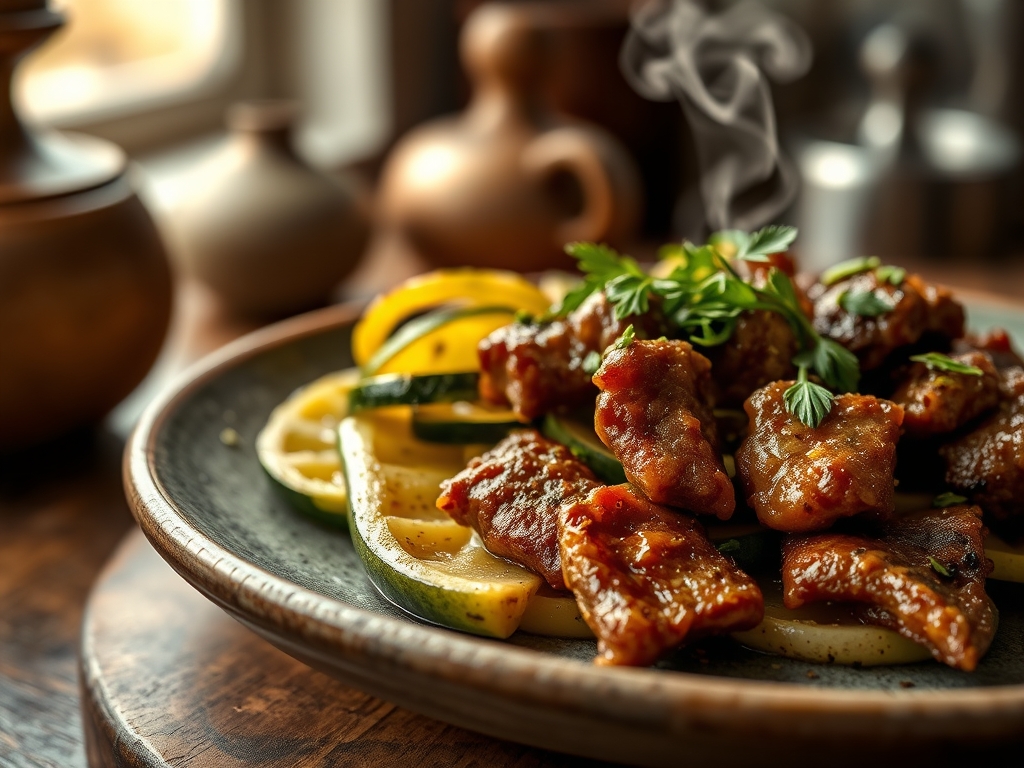
Imagine the sound of a heavy-bottomed cast iron skillet meeting a high-flame burner; it is the percussion of a perfect dinner starting. When you combine the earthy, mineral depth of grass-fed protein with the high-moisture, velvet snap of summer squash, you unlock a culinary synergy that is both lean and incredibly indulgent. Mastering zucchini and beef recipes is not just about dinner; it is about understanding how to balance fat and hydration in a single pan.
The scent of searing meat fills the kitchen as the Maillard reaction transforms dull proteins into a crust of complex sugars and amino acids. Meanwhile, the zucchini acts as a botanical sponge, ready to absorb every drop of rendered tallow and garlic-infused oil. It is a dance of textures where the beef provides the bite and the squash provides the silk. Whether you are craving a piquant stir-fry or a comforting stuffed boat, these two ingredients are the ultimate power couple for the modern, health-conscious cook who refuses to sacrifice flavor for macros.
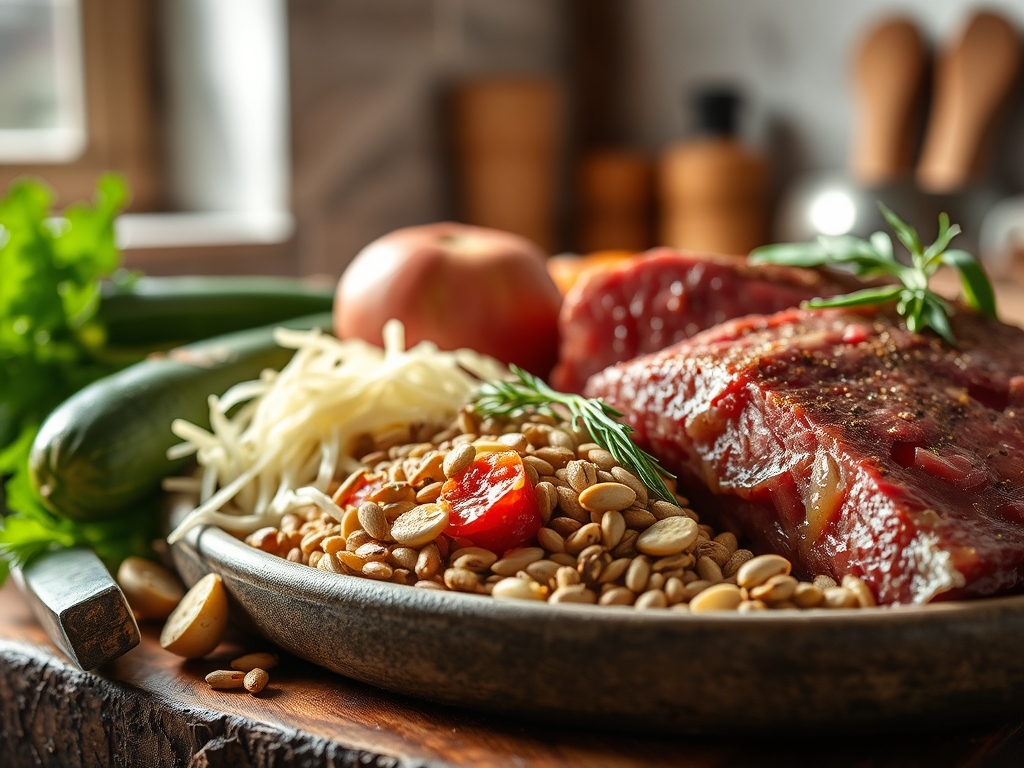
The Gathers:
To execute these zucchini and beef recipes with professional precision, your mise-en-place must be impeccable. Start with your protein. For stir-fries or bowls, select a lean ground sirloin or a flank steak sliced against the grain. For the zucchini, look for medium-sized specimens; larger ones contain a fibrous, seedy core that can become unpleasantly viscous when heated.
You will need a sharp chef's knife to ensure clean cells in your vegetables, preventing them from weeping excess water. Grab your microplane for fresh ginger and garlic, and keep a digital scale nearby to ensure your protein-to-veg ratio remains balanced. If you are opting for a saucier approach, have your cornstarch or arrowroot powder ready to emulsify the pan juices into a glossy coating.
Smart Substitutions:
If you cannot find high-quality beef, bison offers a similar iron-rich profile with even less fat. For those avoiding nightshades, swap traditional peppers for extra zucchini skins to maintain that crunch. If you are out of fresh garlic, a high-quality garlic oil can infuse the dish with that essential pungent aroma without the risk of burning the delicate cloves.
The Clock:
Efficiency in the kitchen relies on what professionals call the Chef's Flow. This is the art of overlapping tasks to minimize downtime. For most zucchini and beef recipes, your total active time will hover around 15 minutes, with a cook time of 10 to 20 minutes depending on the cut of meat.
Start by prepping your aromatics. While the skillet preheats, slice your zucchini. By the time your beef is browning, you should be finishing your sauce whisking. Never crowd the pan; if you are doubling a recipe, cook in batches. Overcrowding drops the surface temperature of the metal, leading to steaming rather than searing. This results in gray meat and mushy vegetables, which is the antithesis of a high-end meal.
The Masterclass:
1. The High-Heat Sear
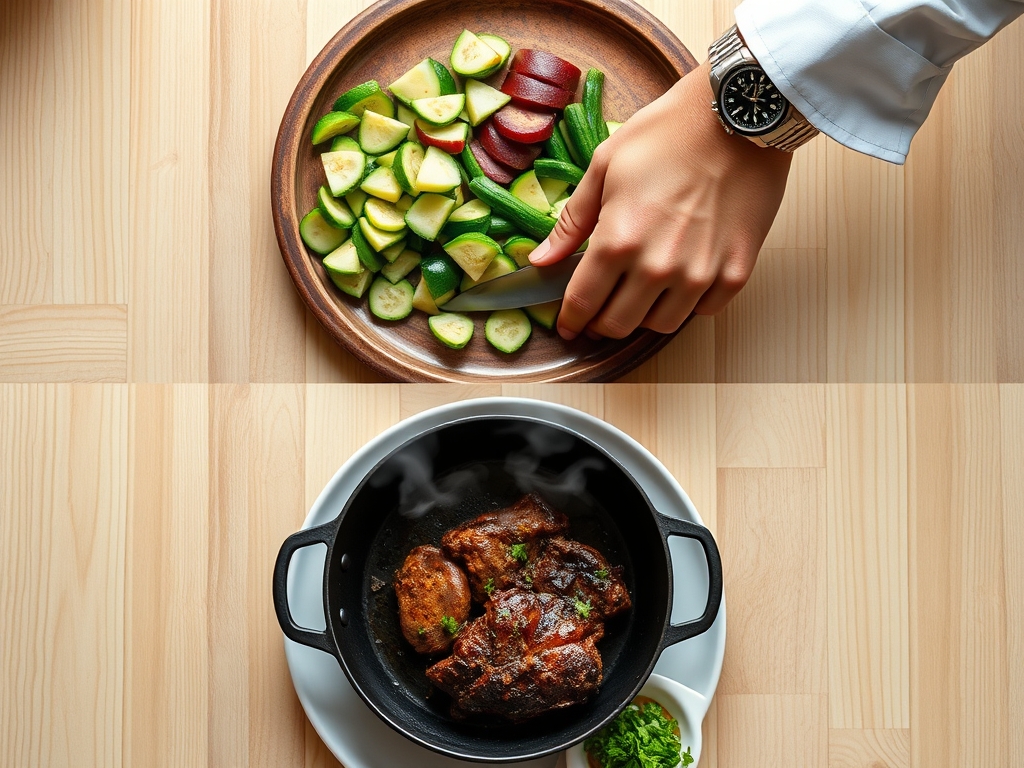
Place your heavy-bottomed skillet over medium-high heat until a drop of water dances and evaporates instantly. Add a high-smoke-point oil like avocado oil. Pat your beef dry with a paper towel before adding it to the pan. This removal of surface moisture is vital for a crust to form.
Pro Tip: This process is known as the Maillard reaction. By removing surface moisture, you ensure the energy of the pan goes into browning the meat rather than boiling the water on its surface.
2. Rendering and Deglazing
Once the beef is browned, move it to the perimeter of the pan or remove it entirely. Add your aromatics like shallots or garlic to the center. Use a wooden spoon or bench scraper to lift the fond; those brown bits stuck to the bottom are concentrated flavor bombs.
Pro Tip: Deglazing with a splash of beef stock or dry wine uses the principle of solubility to incorporate caramelized proteins back into your sauce, creating a complex flavor profile.
3. The Zucchini Integration
Add your sliced or spiralized zucchini. Because zucchini is approximately 95 percent water, it cooks rapidly. You want to sauté just until the edges are translucent but the center maintains a structural snap.
Pro Tip: To prevent sogginess, salt the zucchini only at the very end. Salt draws out moisture through osmosis; adding it too early will turn your stir-fry into a soup.
4. Emulsifying the Sauce
Whisk your liquid ingredients (soy sauce, ginger, toasted sesame oil) with a thickener. Pour this over the beef and zucchini mixture. Toss vigorously with tongs to ensure every surface is coated in a piquant, glossy sheen.
Pro Tip: This is the science of emulsification. The thickener binds the fats from the beef with the water-based liquids, creating a viscous sauce that clings to the ingredients rather than pooling at the bottom.
The Deep Dive:
When we look at the macro profile of zucchini and beef recipes, we see a nutritional powerhouse. A standard serving provides roughly 30 grams of protein and a wealth of Vitamin B12, zinc, and potassium. Because zucchini is low in calories but high in volume, it provides satiety without the heavy glycemic load of pasta or rice.
Dietary Swaps:
For a Keto version, ensure your sauce contains no added sugars or cornstarch; use xanthan gum as a thickener instead. For a Vegan twist, replace the beef with crumbled tempeh or walnut meat, which provides a similar textural contrast. If you are Gluten-Free, always reach for tamari or coconut aminos instead of traditional soy sauce.
The Fix-It:
- Watery Sauce: If your dish looks like a lake, remove the solids and boil the liquid down. Next time, salt the zucchini separately and pat it dry before cooking.
- Tough Beef: You likely overcooked it or sliced with the grain. Always slice against the muscle fibers to shorten them, making the meat easier to chew.
- Bland Flavor: You need acid. A squeeze of lime or a teaspoon of rice vinegar at the end will brighten the fats and make the flavors pop.
Meal Prep:
To reheat while maintaining "day-one" quality, avoid the microwave if possible. Use a small saucier over medium heat with a teaspoon of water. This creates a gentle steam that re-hydrates the beef without turning the zucchini into mush.
The Wrap-Up:
You now have the technical blueprint to turn simple zucchini and beef recipes into a gourmet experience. By respecting the science of the sear and the delicate nature of the squash, you are elevating a weeknight staple into a culinary masterclass. Grab your skillet, trust your nose, and remember that great cooking is just as much about physics as it is about feeling. Go forth and sear with confidence!
The Kitchen Table:
How do I stop zucchini from getting soggy?
Always sauté zucchini over high heat for a short duration. Avoid salting the squash until the final minute of cooking to prevent osmosis from drawing out excess internal moisture into the pan.
What is the best cut of beef for stir-fry?
Flank steak or skirt steak are ideal choices. They have a robust flavor and a coarse grain that holds onto sauces beautifully. Always slice them thinly against the grain for maximum tenderness.
Can I freeze zucchini and beef leftovers?
While the beef freezes well, zucchini loses its structural integrity when thawed due to its high water content. It is best to enjoy these dishes fresh or store them in the fridge for up to three days.
How do I get a good sear on ground beef?
Do not break the meat up immediately. Press it into a flat disc in a hot, oiled skillet and let it sit undisturbed for three minutes. This allows the Maillard reaction to create a flavorful, brown crust.