
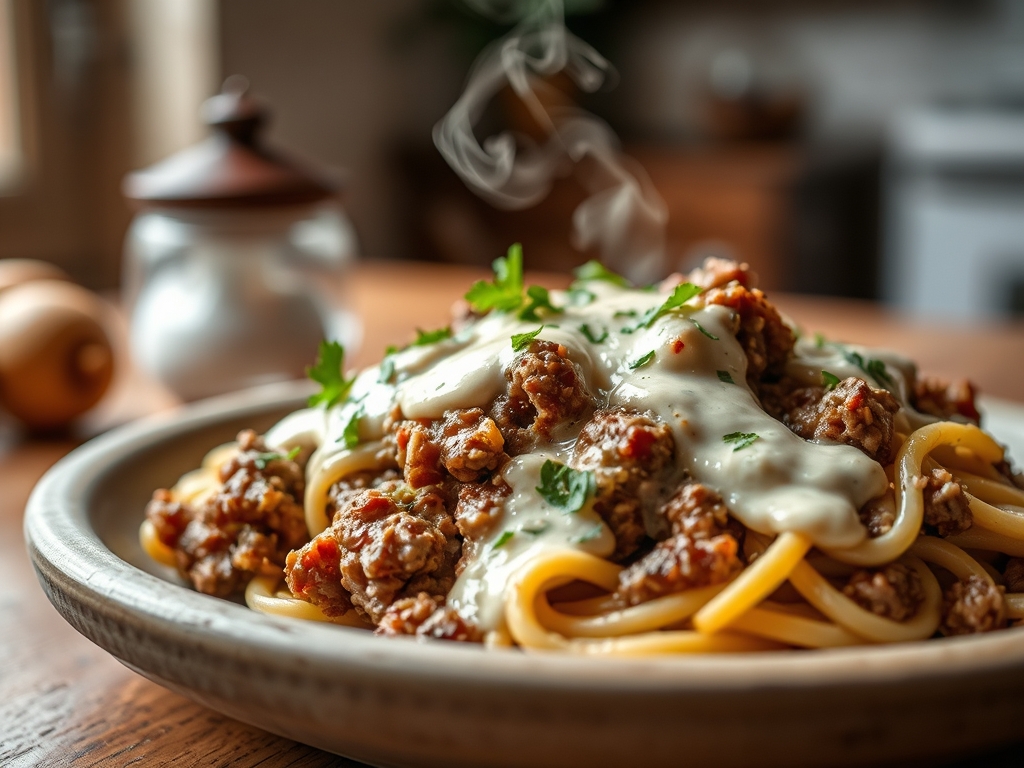
Imagine the sound of a heavy-bottomed skillet meeting a gas flame; it is the rhythmic percussion of a kitchen about to produce something legendary. You are standing there, wooden spoon in hand, watching as fat begins to render from premium chuck. The air fills with the scent of toasted garlic and searing protein. This is the heart of alfredo ground beef recipes. It is the ultimate collision of high-end Italian silkiness and the rugged, savory satisfaction of a perfectly browned burger. We are moving far beyond the jarred sauces of our college years. We are talking about a sauce so viscous it clings to every ridge of your pasta like a velvet glove. This is comfort food with a doctorate in flavor chemistry. We are going to master the art of the emulsion and the science of the sear. Whether you are feeding a crowd of hungry teenagers or treating yourself after a long week, these alfredo ground beef recipes offer a complex profile of piquant Parmesan and deep, umami-rich beef that will redefine your weeknight rotation forever.
The Gathers:
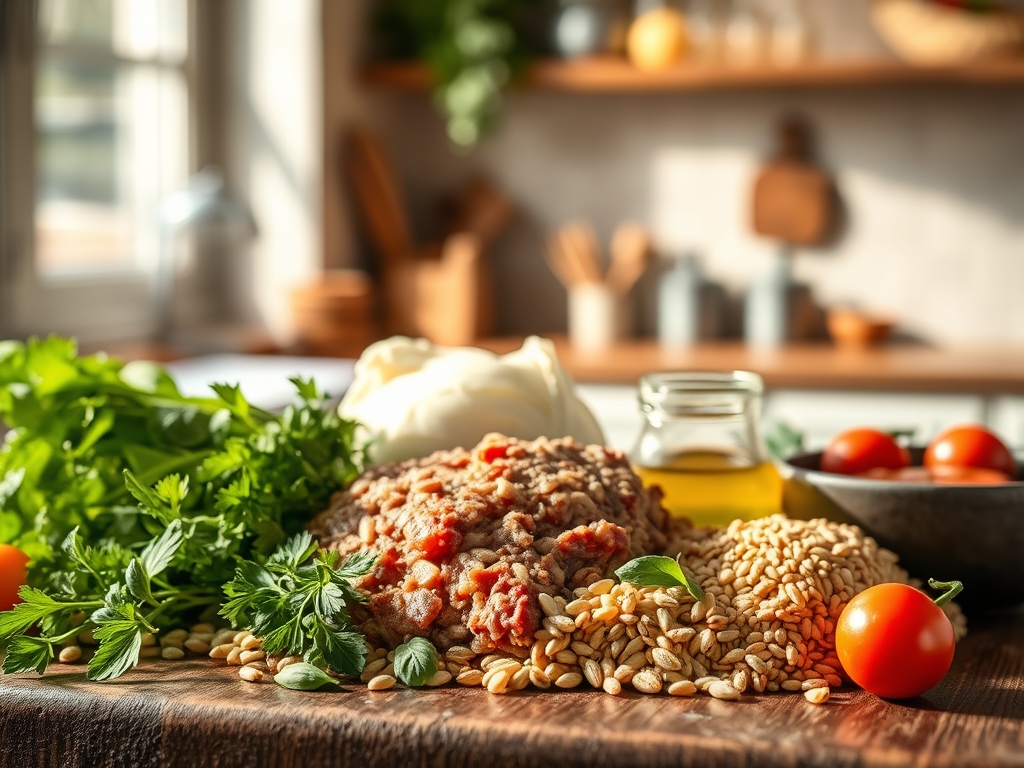
Before we ignite the burners, we must respect the mise-en-place. For the most indulgent alfredo ground beef recipes, your ingredient selection is the difference between a greasy mess and a culinary masterpiece. Start with high-quality ground beef; ideally a 80/20 blend. This ratio ensures enough fat to facilitate the Maillard reaction without drowning the sauce in grease. You will need heavy cream with at least 36 percent milkfat to ensure the sauce does not "break" under high heat. Use a microplane to grate fresh Parmigiano-Reggiano. Pre-shredded cheese is coated in potato starch or cellulose, which prevents the proteins from melting into a smooth, homogenous liquid.
For the aromatics, gather fresh garlic cloves and shallots. You will also need high-quality butter; European-style butter with a higher fat content provides a richer mouthfeel. Your pasta choice is vital. Fettuccine is the classic vehicle, but rigatoni or cavatappi offer nooks and crannies that trap the beef and sauce efficiently.
Smart Substitutions: If you want to lighten the profile without sacrificing the "clutch" of the sauce, swap half the heavy cream for starchy pasta water and a splash of whole milk. For a deeper flavor, deglaze your pan with a dry white wine like Pinot Grigio before adding the dairy. If you are avoiding red meat, ground turkey works, but you must add a teaspoon of Worcestershire sauce to mimic the missing umami depth.
The Clock: Efficient Kitchen Flow
Timing is the silent ingredient in every successful dish. Total preparation time for these alfredo ground beef recipes is approximately 15 minutes, with a cook time of 20 minutes. The "Chef's Flow" dictates that you start your pasta water first. Salt the water until it tastes like the sea; this is your only chance to season the pasta from the inside out. While the water comes to a boil, you begin browning the meat. The goal is to have the pasta reach "al dente" exactly when the sauce has achieved its peak viscosity. This synchronization ensures the pasta is hot enough to further thicken the sauce through starch release the moment they are combined.
The Masterclass:
1. The Maillard Sear
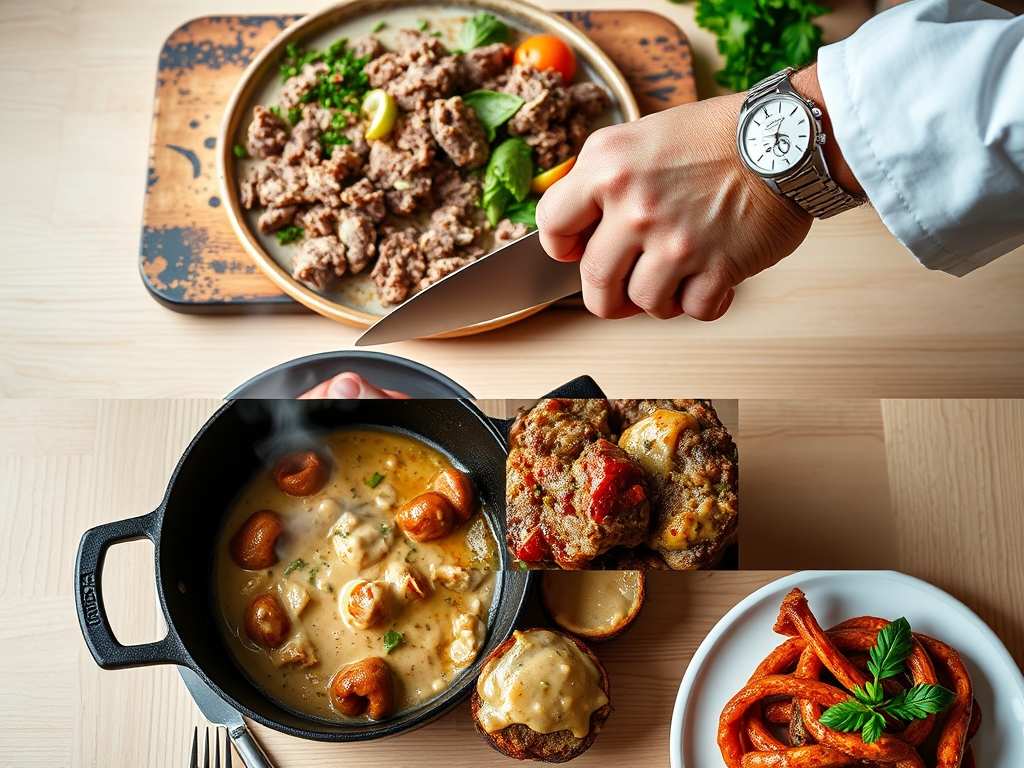
Place your ground beef in a pre-heated saucier or heavy skillet. Do not crowd the pan. Allow the meat to sit undisturbed for three minutes to develop a deep brown crust. Use a stiff spatula to break the meat into small, uniform crumbles.
Pro Tip: This stage relies on the Maillard reaction, a chemical reaction between amino acids and reducing sugars. If you stir too early, the meat will steam in its own moisture rather than sear; resulting in a grey, bland texture.
2. The Aromatic Infusion
Once the beef is browned, push it to the perimeter of the pan. Add your butter to the center, followed by minced garlic and shallots. Sauté until translucent and fragrant, roughly two minutes.
Pro Tip: This is called fat-soluble flavor extraction. The essential oils in garlic and shallots are more effectively released into fat (butter and beef tallow) than into water-based liquids, creating a more potent flavor base.
3. Deglazing the Fond
Pour in a splash of beef broth or dry white wine. Use a wooden spoon to scrape the brown bits (the fond) off the bottom of the skillet.
Pro Tip: Deglazing utilizes solvent properties to lift concentrated flavor molecules from the pan. These bits contain the highest density of umami and are essential for a complex sauce.
4. The Cream Reduction
Lower the heat to medium-low and pour in the heavy cream. Simmer gently, stirring constantly, until the liquid reduces by about one-third.
Pro Tip: As water evaporates, the fat globules and proteins in the cream become more concentrated. This increases the viscosity of the sauce through simple evaporation, creating that signature "cling."
5. The Emulsion Phase
Remove the pan from the heat. Gradually whisk in the freshly grated Parmesan cheese and a half-cup of starchy pasta water. Toss in your cooked pasta and the browned beef.
Pro Tip: This is the most critical step. By removing the pan from direct heat, you prevent the cheese proteins from tightening and "breaking" the sauce into a grainy texture. The starch in the pasta water acts as an emulsifier, binding the fats and liquids into a silky sheen.
The Deep Dive:
When we look at the macro nutrition, this dish is a powerhouse of protein and fats. A standard serving contains roughly 35 grams of protein and 40 grams of fat. To make this keto-friendly, simply swap the pasta for zoodles or roasted cauliflower. For a gluten-free version, use a high-quality brown rice pasta and ensure your beef broth is certified GF.
The Fix-It:
- Grainy Sauce: This usually happens if the heat was too high when adding cheese. Fix it by adding a tablespoon of hot pasta water and whisking vigorously off the heat.
- Thin Sauce: If it looks like soup, let it sit for three minutes. The starch in the pasta will naturally thicken the sauce as it cools slightly.
- Bland Flavor: Add a squeeze of fresh lemon juice. The acid cuts through the heavy fats and brightens the entire profile.
Meal Prep Science: To reheat, do not use a microwave on high power. The intense waves will cause the fat to separate from the cream. Instead, reheat in a small pot over low heat with a splash of milk or water to re-emulsify the sauce.
The Wrap-Up:
You have just mastered the technical heights of alfredo ground beef recipes. By understanding the chemistry of the sear and the delicate balance of a dairy emulsion, you have elevated a simple meal into a gourmet experience. This dish is about more than just calories; it is about the tactile joy of a perfectly executed sauce and the bold, savory satisfaction of well-seared beef. Now, grab your favorite bowl, a generous dusting of cracked black pepper, and enjoy the fruits of your scientific labor. You earned every decadent bite.
The Kitchen Table:
How do I prevent my Alfredo sauce from breaking?
Always add your cheese off the heat. High temperatures cause the proteins in cheese to clump and separate from the fats. Stirring in a splash of starchy pasta water also helps stabilize the emulsion for a smooth finish.
Can I use milk instead of heavy cream?
You can, but the sauce will be thinner. If using milk, you must create a roux first by whisking flour into your melted butter before adding the liquid. This provides the structural thickness that milk lacks compared to heavy cream.
What is the best ground beef for Alfredo?
An 80/20 or 85/15 lean-to-fat ratio is ideal. The fat provides the necessary medium for browning the meat and flavoring the aromatics. Always drain excess grease before adding your dairy to prevent the sauce from becoming overly oily.
How long does ground beef Alfredo last in the fridge?
When stored in an airtight container, it remains fresh for three to four days. For the best quality, reheat it slowly on the stovetop with a tablespoon of water or milk to restore the creamy consistency of the sauce.