
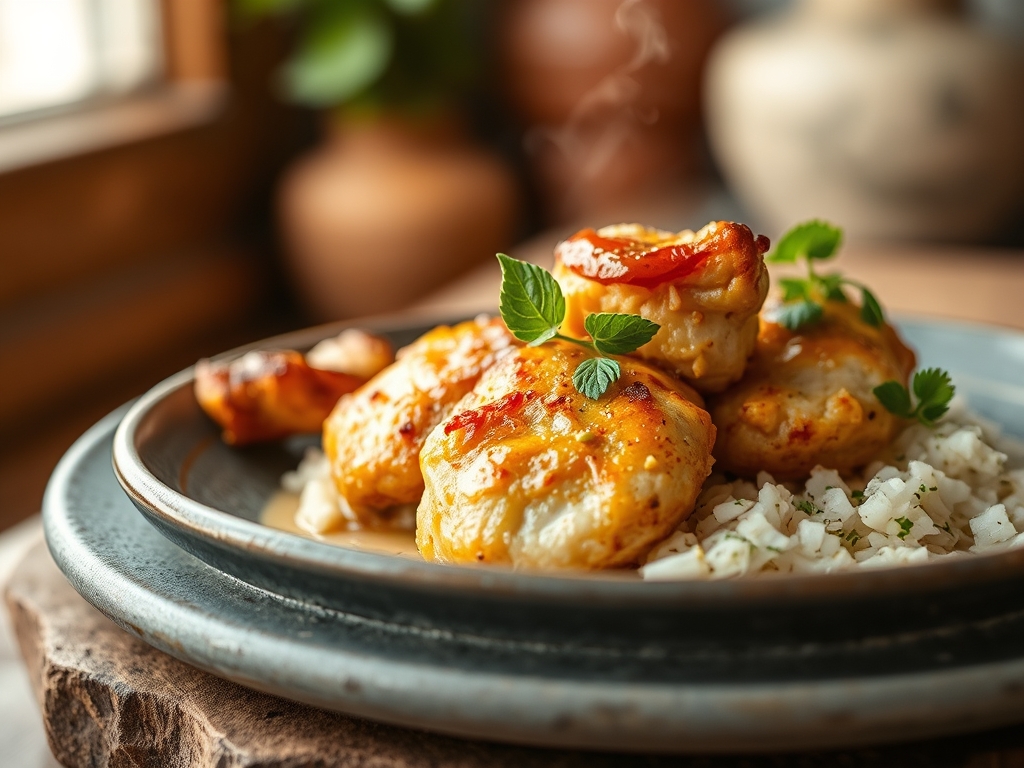
Imagine the scent of toasted fat hitting a hot pan; it is the olfactory equivalent of a warm hug. When you marry the tropical, fatty richness of coconut milk with the lean, protein-dense structure of poultry, you are not just cooking dinner. You are performing an edible experiment in lipid-based flavor delivery. These coconut and chicken recipes are the ultimate flex for your weeknight rotation. They offer a velvety mouthfeel that water-based sauces simply cannot replicate.
The beauty of this pairing lies in the chemical synergy between the medium-chain triglycerides in the coconut and the savory amino acids in the chicken. As the meat simmers, it absorbs the aromatic compounds of the milk, resulting in a dish that is simultaneously light and incredibly decadent. Whether you are craving a fiery Thai curry or a citrus-heavy Caribbean stew, these eight variations will transform your kitchen into a global bistro. Let us get your mise-en-place ready and dive into the mechanics of these legendary coconut and chicken recipes.
The Gathers:
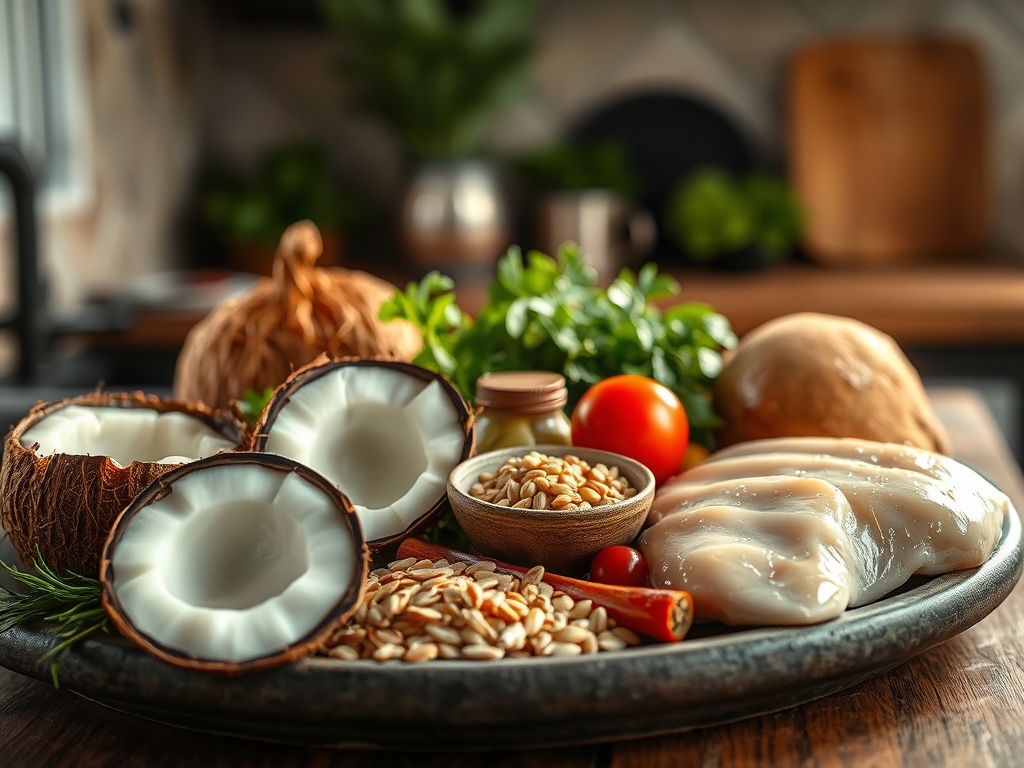
To achieve restaurant-quality results, your workstation must be organized with surgical precision. Start with your protein; high-moisture chicken thighs are preferable to breasts because their connective tissue breaks down into gelatin, adding body to your sauce. You will need a heavy-bottomed skillet or a cast-iron Dutch oven to ensure even heat distribution and prevent the coconut sugars from scorching.
Your aromatics are the backbone of these coconut and chicken recipes. Gather fresh ginger, garlic, and shallots. Use a microplane to grate the ginger into a fine paste; this increases the surface area and allows the gingerols to infuse more rapidly into the fat. For the coconut component, look for full-fat canned milk with a high percentage of coconut extract. Low-fat versions lack the viscous quality necessary to coat the back of a spoon.
Smart Substitutions: If you are out of fresh lemongrass, a teaspoon of lemon zest mixed with a pinch of ginger provides a similar piquant profile. For those avoiding nightshades, swap red curry paste for a blend of turmeric, cumin, and coriander to maintain that golden hue without the capsaicin heat. If you need a dairy-free thickener beyond the coconut itself, a slurry of arrowroot powder works better than cornstarch as it remains stable at higher temperatures and keeps the sauce translucent.
The Clock
Efficiency in the kitchen is about mastering the Chef's Flow. This is the art of overlapping tasks so that no second is wasted while the pan is hot. For these coconut and chicken recipes, expect a total commitment of 45 to 55 minutes.
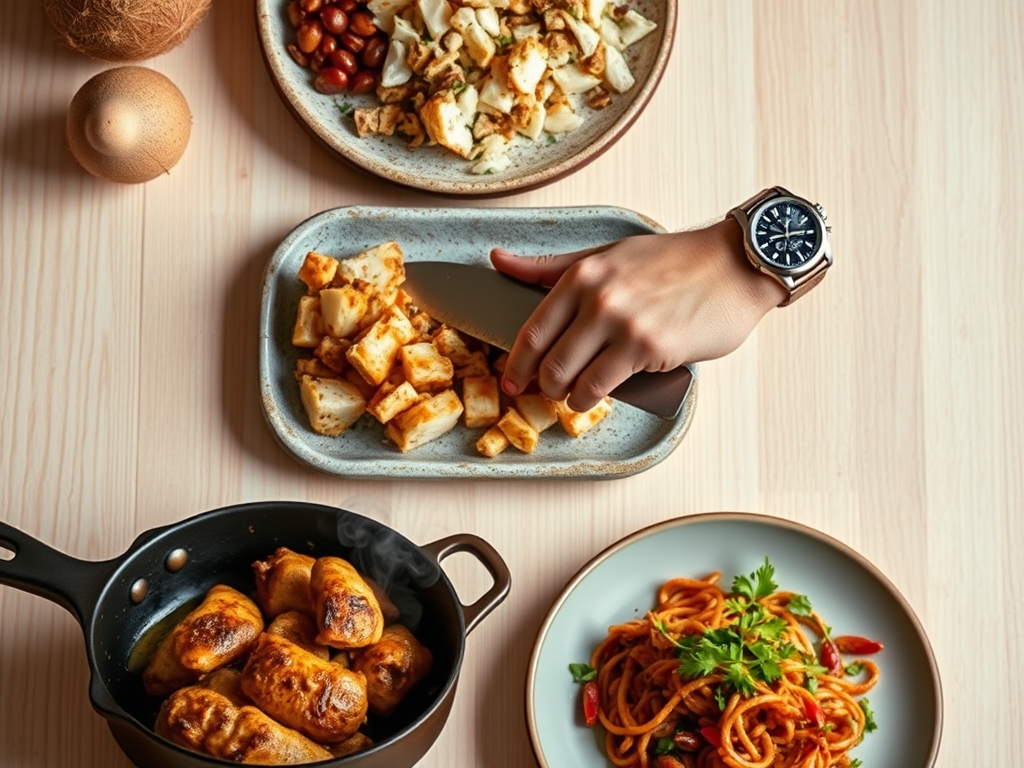
The first 15 minutes are dedicated to the "Cold Prep." This involves dicing your aromatics and slicing the chicken into uniform 1-inch cubes. Uniformity is not just for aesthetics; it ensures every piece reaches the safe internal temperature of 165 degrees Fahrenheit at the exact same moment. The "Active Cook" phase takes about 25 minutes. This is when you render the fat and build your flavor base. Finally, allow for a 5-minute "Rest and Infuse" period. During this time, the carryover heat finishes the cooking process while the sauce thickens through evaporation and cooling.
The Masterclass
1. Sear the Protein
Place your chicken in a preheated skillet with a high-smoke-point oil like avocado oil. Use tongs to ensure each piece has space; overcrowding the pan drops the temperature and causes the meat to steam in its own juices rather than brown.
Pro Tip: This step utilizes the Maillard reaction, a chemical reaction between amino acids and reducing sugars that creates hundreds of different flavor compounds. Achieving a deep golden crust here is the secret to a savory depth that balances the sweetness of the coconut.
2. Bloom the Aromatics
Push the chicken to the perimeter and add your ginger, garlic, and spices to the center. Stir constantly with a silicone spatula until the fragrance fills the room, which usually takes about 60 to 90 seconds.
Pro Tip: This technique is called tempering. Many flavor molecules in spices are fat-soluble, meaning they only release their full potential when toasted in oil. This creates a more complex, layered profile in your final sauce.
3. Deglaze and Emulsify
Pour in your coconut milk while using a bench scraper or whisk to lift the browned bits (the fond) from the bottom of the pan. Stir vigorously to integrate the chicken fat with the coconut cream.
Pro Tip: You are creating an emulsion here. The proteins in the chicken and the fats in the coconut milk work together to trap moisture. If the sauce looks "broken" or oily, a splash of water and a quick whisk will help re-stabilize the mixture.
4. The Low Simmer
Reduce the heat to medium-low. Allow the mixture to bubble gently but never reach a rolling boil. High heat can cause coconut milk to curdle as the proteins denature and clump together.
Pro Tip: This stage involves thermal carryover. By simmering slowly, you prevent the chicken fibers from tightening up and becoming rubbery. The gentle heat allows the collagen to transform into gelatin, resulting in a melt-in-your-mouth texture.
5. Brighten and Balance
Just before serving, stir in a squeeze of lime juice and a splash of fish sauce. These acidic and salty elements cut through the heavy fats of the coconut milk to wake up the palate.
Pro Tip: This is the "Flavor Triangle" of salt, acid, and fat. Adding acid at the very end ensures the volatile aromatic compounds in the citrus do not evaporate, providing a fresh finish that complements the cooked spices.
The Deep Dive
When we look at the macro nutrition of coconut and chicken recipes, we see a powerhouse of healthy fats and lean protein. A standard serving provides roughly 35 grams of protein and 22 grams of fat. While coconut milk is high in saturated fat, it is primarily composed of lauric acid, which is known for its antimicrobial properties.
For dietary swaps, these recipes are naturally gluten-free. To make them Keto-friendly, simply serve over cauliflower rice or sautéed greens instead of jasmine rice. If you are cooking for a vegan friend, swap the chicken for extra-firm tofu or chickpeas. The coconut base is so flavorful that the protein swap feels seamless.
The Fix-It: Common Pitfalls
- The Sauce is Too Thin: If your sauce looks like soup, do not keep boiling it. Instead, whisk a teaspoon of coconut flour into a small amount of the liquid and stir it back in. Coconut flour is highly absorbent and will thicken the sauce without changing the flavor profile.
- The Chicken is Dry: This usually happens if you use breast meat and cook it too long. To fix this, always use a digital scale to weigh your portions and a meat thermometer to pull the chicken at 160 degrees, letting it hit 165 via carryover heat.
- The Flavor is Flat: If it tastes "blah," you likely need more salt or acid. A dash of soy sauce or an extra lime wedge usually solves the problem instantly.
Meal Prep and Reheating:
Coconut-based dishes actually taste better the next day because the flavors continue to infuse as they sit. When reheating, avoid the microwave if possible. The uneven waves can cause the coconut fat to separate. Instead, use a saucier on the stovetop over low heat, adding a tablespoon of water to loosen the sauce back to its original silky consistency.
The Wrap-Up
Mastering coconut and chicken recipes is like unlocking a secret level in your culinary journey. It is the perfect balance of science and soul. By understanding how to manage heat, emulsify fats, and layer aromatics, you can create a meal that feels like a vacation on a plate. Grab your heavy-bottomed skillet, trust your instincts, and do not be afraid to experiment with the spice levels. Your kitchen is now a laboratory of tropical flavor; go make something brilliant!
The Kitchen Table
Can I use coconut water instead of coconut milk?
No, coconut water lacks the fats and solids needed for a creamy sauce. It will result in a thin, watery consistency. For a lighter option, use light coconut milk or a blend of broth and coconut cream.
How do I prevent coconut milk from curdling?
Avoid boiling the sauce vigorously. High heat causes the proteins to denature and separate from the fat. Keep the temperature at a gentle simmer and add acidic ingredients like lime juice only at the very end of cooking.
What is the best way to store leftovers?
Store in an airtight glass container in the refrigerator for up to four days. Glass is preferable as it does not absorb the strong turmeric or curry aromas. Reheat gently on the stovetop to maintain the emulsion.
Can I freeze coconut chicken dishes?
Yes, but the texture of the sauce may change slightly upon thawing. To fix a grainy sauce after freezing, whisk it vigorously over low heat while adding a splash of fresh coconut milk to restore the creamy mouthfeel.